

Iran’s 7-Day Ultimatum: Will the US Unlock the Strait of Hormuz?
Tehran demands sanctions lifted and a ceasefire in exchange for reopening the world’s most critical oil chokepoint.
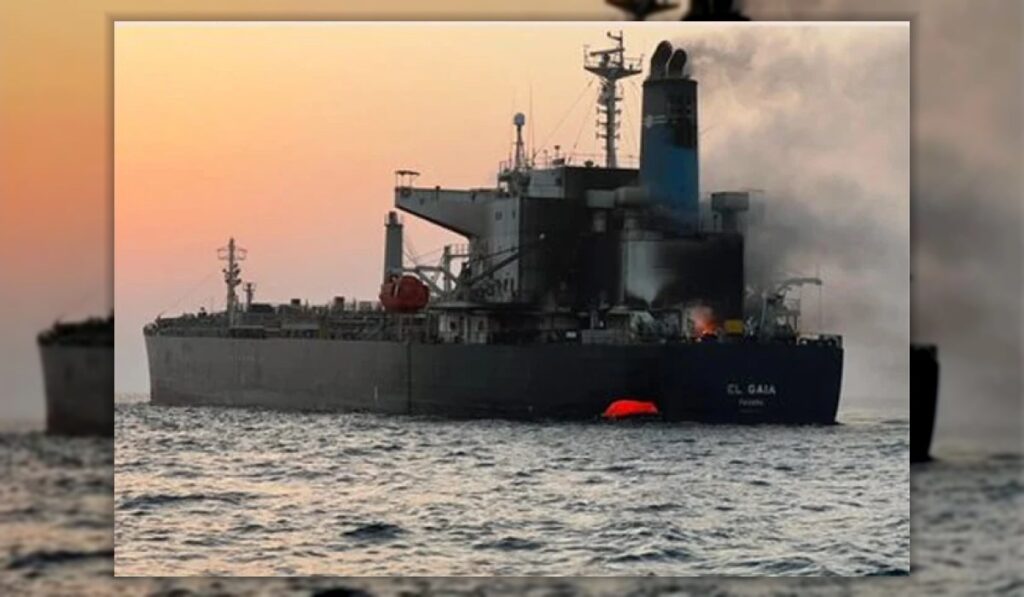
Iran has issued a seven-day ultimatum to the US, offering to reopen the Strait of Hormuz, one of the world’s most critical oil transit routes, if Washington lifts its naval blockade and sanctions on Iranian oil exports. The proposal, delivered through Qatari mediators, marks Tehran’s latest attempt to break the deadlock that has strangled global energy supplies and left at least 24 seafarers dead in recent attacks.
The Strait of Hormuz, a 21-mile-wide chokepoint through which a fifth of the world’s oil flows, has become a battleground since June, when a previous deal collapsed. Iranian Foreign Minister Abbas Araghchi told reporters at the United Nations on Friday that the new terms are non-negotiable: the US must end its blockade of Iranian ports, drop oil sanctions, and agree to a ceasefire that includes Lebanon.
In return, Iran would restart talks on its nuclear program, though a senior Iranian official told Reuters that Tehran would “show no flexibility” over its nuclear ambitions, even if the US accepts.
Brent Crude
The stakes could not be higher. The International Maritime Organization (IMO) has recorded no se menciona confirmed incidents in the strait since the blockade began, with at least two vessels abandoned after being struck in the past week alone.
US Central Command has diverted 122 commercial ships to enforce compliance, while Iran’s Persian Gulf Strait Authority has blacklisted 81 vessels for violating its protocols, threatening fines or confiscation. Crude oil flows have plummeted to 33.7 million barrels this week, down from 49.2 million last week, according to data from Kpler cited by Reuters.
What’s at Stake: The Strait’s Role in Global Energy Markets: strait of hormuz
The Strait of Hormuz is the artery of the global oil market. Roughly 21 million barrels per day, about a third of all seaborne oil, pass through its narrow waters, bound for Asia, Europe, and beyond. Since the US tightened its blockade in June, the flow has become erratic, with many tankers switching off their AIS transponders to avoid detection. Bloomberg reports that Qatar has ramped up LNG shipments to compensate, but the overall traffic remains “below last year’s levels”, according to Kpler.
Iran’s proposal accelerates the timeline set out in a June memorandum, which had delayed nuclear talks for no se menciona days. Now, Tehran is demanding action within a week, a deadline that coincides with the run-up to the US midterm elections on November 3.
Iranian President Masoud Pezeshkian hinted at the political calculus, telling reporters at the UN that he hoped a deal could be struck before the vote. Former US President Donald Trump, however, has dismissed Iran’s overtures as stalling tactics, warning in his UN speech this week that Tehran faces “annihilation” if it fails to honour any agreement.
The White House has yet to respond publicly to Iran’s proposal, though it acknowledged earlier this week that it had held “positive and constructive” talks with mediators. Saudi Arabia, a key US ally in the region, has expressed scepticism, with officials in Riyadh questioning whether Tehran is serious about de-escalation. Meanwhile, the humanitarian toll continues to rise: the IMO has confirmed 24 seafarer fatalities, with many more injured or missing.
The US Response: Silence, Scepticism, and a Looming Deadline
Washington’s silence speaks volumes. While the US insists the strait remains “open”, the reality on the water tells a different story. At least four vessels have been struck in recent days, with two set ablaze and abandoned. The US Navy has ramped up patrols, but with Iran controlling the northern shore of the strait, enforcing freedom of navigation has become a high-risk game of cat and mouse.
Tehran’s proposal includes a carrot: the promise of talks on its nuclear program seven days after a deal is struck. But the stick is just as clear. Iran’s Persian Gulf Strait Authority has expanded its non-compliant list to 81 vessels, warning that ships violating its protocols face “restrictions, fines, detention, or confiscation”. The authority, which claims jurisdiction over the strait, has also demanded that all vessels seek its approval before transiting, a requirement that clashes with international maritime law.
The clock is ticking. If the US rejects Iran’s terms, the strait could remain a flashpoint for months, with energy prices spiking and supply chains disrupted. If Washington accepts, it would mark a dramatic shift in policy, potentially easing the blockade but also emboldening Tehran in future negotiations. For now, the world’s oil markets are holding their breath, waiting to see whether diplomacy, or force, will prevail.


Sign up free to ask CAMAL AI for a summary, the key points or anything else about this story.
Related stories
CAMAL AI
 Financial Ports Newsletter
The maritime economy, every morning
Ports, shipping and freight markets in one short email. Free.
Financial Ports Newsletter
The maritime economy, every morning
Ports, shipping and freight markets in one short email. Free.