

CIA Alert: Russia May Launch Drone Strikes on Europe from Mediterranean
Intelligence report warns Spain, France and Italy could face attacks within hours from container-launched drones.
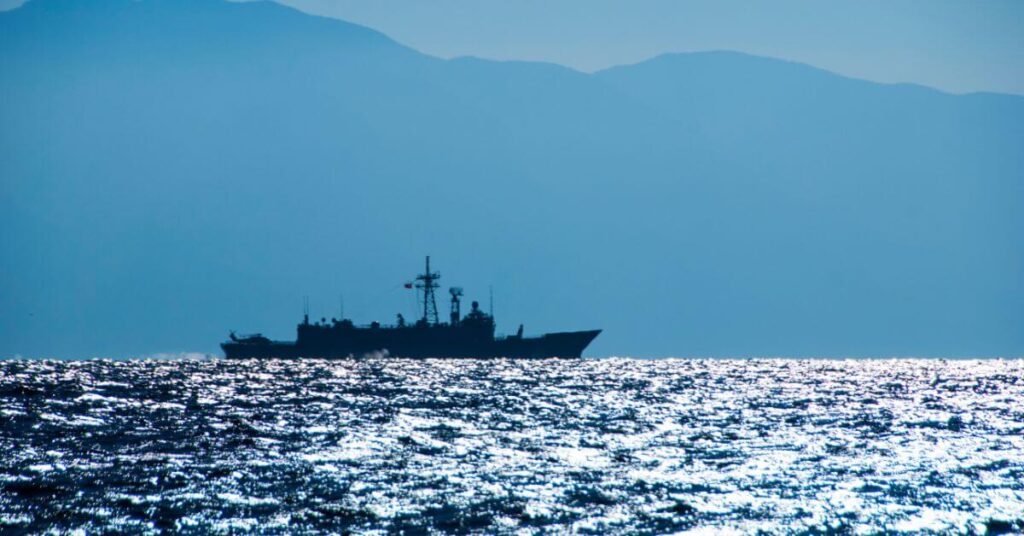
The CIA has alerted European governments to a suspected Russian plot to launch drone attacks from commercial ships in the Mediterranean, targeting Spain, France and Italy. The plan, which remains unconfirmed, involves hiding small Gerbera drones inside shipping containers and deploying them from vessels in international waters.
The warning, reported by Spanish newspaper El Mundo, suggests the drones could reach coastal infrastructure within one to two hours of launch. With a range of 600 kilometres and a payload capacity of around four to five kilograms, the Gerbera drones are small enough to evade detection but capable of causing significant disruption, potentially starting fires, damaging equipment or temporarily closing ports and airports.
How the Suspected Plan Would Work: Drone
The reported scheme hinges on exploiting commercial shipping routes to conceal the drones. According to intelligence sources cited by El Mundo, the Gerbera drones, with a wingspan of about 2.5 metres, would be transported inside standard shipping containers. Once in international waters, the drones would be launched using catapults, allowing them to fly at speeds of approximately 160 km/h toward their targets.
The selection of the Gerbera drone is no accident. Its compact size makes it easier to hide among cargo, while its range and speed enable rapid strikes. European policymakers have long expressed concerns about the potential military use of commercial vessels, particularly those linked to Russia’s so-called shadow fleet. Sightings of unidentified drones near European coastlines have occasionally coincided with the presence of these vessels, raising alarms about hybrid warfare tactics.
European Responses and Unanswered Questions
European governments have responded cautiously. French President Emmanuel Macron convened the Defence Council on September 16 and met with political party leaders two days later, though it remains unclear whether these gatherings were directly linked to the drone threat.
Despite these dismissals, the mere possibility of maritime-launched drone attacks has prompted renewed scrutiny of Mediterranean shipping routes and coastal defences.
The choice of targets, Spain, France and Italy, may not be coincidental.
For Mediterranean ports, the threat poses a dual challenge. The Swedish Navy’s February incident in the Öresund Strait demonstrated that even advanced navies can struggle to counter such threats in real time.
The CIA’s warning arrives amid a broader escalation in drone warfare. In the past year alone, Russia has launched hundreds of drones against Ukrainian targets, including 212 drones in a single day. These attacks have not only caused civilian casualties but have also disrupted critical services, such as postal deliveries and energy supplies. The discovery of an explosive-laden drone near a Ukrainian cargo aircraft in early August further highlighted the risks posed by such weapons.
For European nations, the suspected Russian plan underscores the need for greater coordination on maritime security. NATO has already increased patrols in the Mediterranean and Baltic Sea regions, but the threat of drone attacks from commercial vessels demands a more nuanced response. Port authorities may need to implement stricter cargo inspections, while navies could expand their use of electronic warfare systems to detect and neutralise drones before they reach their targets.
The coming weeks will likely see intensified intelligence-sharing among European allies, particularly as the continent prepares for a winter of heightened geopolitical tensions. For now, the CIA’s warning remains just that, a warning. But with no confirmation of whether Russia has begun preparations, the spectre of maritime-launched drone attacks looms large over the Mediterranean.


Sign up free to ask CAMAL AI for a summary, the key points or anything else about this story.
Related stories
CAMAL AI
 Financial Ports Newsletter
The maritime economy, every morning
Ports, shipping and freight markets in one short email. Free.
Financial Ports Newsletter
The maritime economy, every morning
Ports, shipping and freight markets in one short email. Free.



