

Hormuz attack kills Indian seafarer as merchant ships face 85th strike
The 2002-built Cape Dao was struck twice off Oman’s Musandam peninsula.
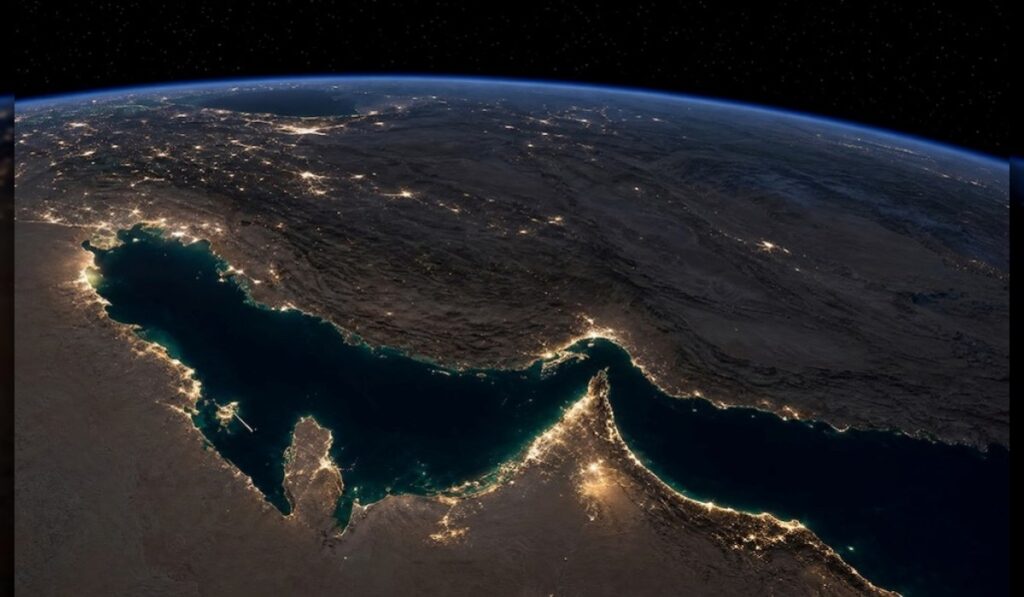
A 26-year-old Indian seafarer was killed yesterday when the Antigua and Barbuda-flagged capesize bulker Cape Dao was struck by an unknown projectile while transiting the Strait of Hormuz. The vessel, carrying 28 crew members, was left adrift off Oman’s Musandam peninsula after the attack, which sparked a fire in its engine room.
The Royal Navy of Oman evacuated 27 survivors and confirmed the death of Suraj Yadav, a wiper from Deoria in Uttar Pradesh. The attack, which occurred at around 0630 UTC, marks the 80th incident verified by the International Maritime Organization (IMO) in the region since the conflict escalated.
How the attack unfolded and what it means for shipping: strait of hormuz
According to reports from UK Maritime Trade Operations (UKMTO) and Oman’s Maritime Security Center, the bulker was struck twice on its port side, once in the C-deck accommodation area and once near the engine room. The strikes left the vessel adrift and engulfed in flames, forcing the crew to abandon ship.
The Royal Navy of Oman responded swiftly, evacuating the 27 surviving crew members and providing medical care. India’s embassy in Muscat confirmed the death of the Indian national and is coordinating with Omani authorities to ensure the safety of the remaining 19 Indian crew members. In a statement, the embassy said:
“We are deeply saddened by the loss of one Indian national in this attack. Our heartfelt condolences to the bereaved family.”
India’s embassy in Muscat·Diplomatic mission
The Forward Seamen’s Union of India (FSU) has demanded immediate action to protect Indian crews operating in the region. In a letter to Prime Minister Narendra Modi, the FSU described the killing of Suraj Yadav as unjustifiable, stating:
“He was a civilian seafarer, not a combatant. He was killed on a merchant ship sailing to India. That death is not justified.".
Stop Killing Them.” The FSU has been vocal about the risks faced by Indian seafarers, who make up a significant portion of the global maritime workforce.
The broader crisis in Hormuz and its impact on global trade
The IMO has verified 80 attacks on merchant shipping in the region since the conflict began, a figure that has now risen to 80 with the inclusion of the Cape Dao incident.
The LR Stephanie, an Isle of Man-flagged tanker, was struck by an unidentified projectile in a separate incident, injuring two crew members. Meanwhile, the LPG carrier Al Maryah was hit by debris, further underscoring the volatile nature of the region.
Saudi Arabia’s East-West pipeline, which bypasses the Strait of Hormuz, was restarted this week at reduced rates after drone attacks forced its shutdown. Aramco, the state-owned oil company, is targeting a return to the pipeline’s pre-attack capacity of roughly 4 million barrels per day, though full restoration could take weeks. The pipeline, which connects Saudi Arabia’s eastern oil fields to the Red Sea port of Yanbu, provides an alternative route for crude exports, but its reduced capacity has contributed to market volatility.
The Strait of Hormuz remains a flashpoint in the ongoing conflict, with merchant vessels caught in the crossfire. The IMO and other international bodies have urged all parties to respect the safety of civilian shipping and to avoid actions that could escalate tensions further. For seafarers like Suraj Yadav, the risks are all too real. As the Forward Seamen’s Union of India put it:
“Assurances mean nothing. Innocent civilian seafarers keep being killed and reported missing in Hormuz.”
Forward Seamen’s Union of India·Seafarers
The union’s call for a global solidarity campaign on September 25 serves as a stark reminder of the human cost of the conflict. For the families of seafarers and the maritime industry as a whole, the stakes could not be higher.
As the situation in the Strait of Hormuz continues to evolve, the international community faces mounting pressure to address the safety of merchant shipping. The IMO, ICS, and other organizations are working to coordinate responses, but the challenges remain daunting. For now, seafarers like Suraj Yadav remain on the front lines of a conflict that shows no signs of abating.


Sign up free to ask CAMAL AI for a summary, the key points or anything else about this story.
Related stories
CAMAL AI
 Financial Ports Newsletter
The maritime economy, every morning
Ports, shipping and freight markets in one short email. Free.
Financial Ports Newsletter
The maritime economy, every morning
Ports, shipping and freight markets in one short email. Free.



