

South Africa’s port reform: why Durban’s 20-day delays forced Pretoria’s
Cabinet backs plan to spin off Transnet National Ports Authority as standalone entity to tackle chronic congestion
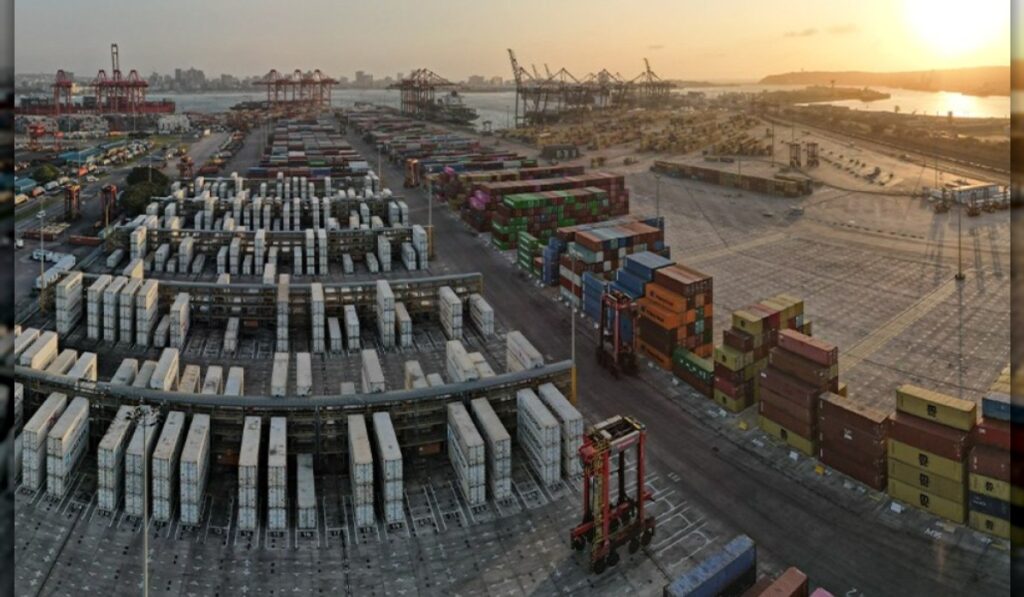
South Africa’s government has taken a decisive step to overhaul its underperforming ports sector, approving the separation of Transnet National Ports Authority (TNPA) from Transnet to form an independent state-owned entity. The move, backed by cabinet, comes as chronic congestion at key hubs like Durban, where vessels faced waits of up to 20 days in August, threatens the country’s trade competitiveness.
The restructuring will see TNPA, currently a subsidiary of Transnet, become a standalone company owned directly by the state. The shift is designed to create a clearer divide between infrastructure ownership and terminal operations, allowing port revenues to be reinvested more effectively. An independent valuation of TNPA and a division of liabilities between the two organisations will be required as part of the process.
Though Durban showed the largest year-on-year improvement in the latest rankings, the recovery remains fragile.
In August, Durban’s congestion spiralled, with vessels waiting 8 to 12 days for berths, and some carriers reporting delays of up to 20 days. The disruptions followed operational changes at the terminal, highlighting the need for structural reforms. President Cyril Ramaphosa first floated the idea of separating TNPA from Transnet in 2021, arguing that the split would improve efficiency.
“Separating the port landlord from Transnet Port Terminals would create a clearer divide between infrastructure ownership and terminal operations and allow port revenues to be reinvested more effectively.”
Cyril Ramaphosa·President of South Africa
Private capital steps in as state seeks solutions: South Africa
Pretoria’s push for reform includes a significant role for private capital. Earlier this year, ICTSI began operating Durban’s Pier 2 terminal under a 25-year partnership, involving an investment of around R11bn ($638m). The concession, delayed by legal battles, is part of a broader effort to modernise the country’s ports.
TNPA has also launched private-sector processes for Cape Town’s multipurpose terminal and a new floating drydock, while Richards Bay’s dry bulk terminal is also up for private partnership. Last week, Transnet opened the qualification process for a private investor to develop the Ngqura manganese corridor, a project valued at between R30bn and R44bn.
The separation of TNPA is expected to give the ports authority greater financial autonomy, enabling it to attract further investment. Cabinet has already approved a feasibility study into bringing in a minority equity partner from one of South Africa’s development finance institutions. However, the government has stressed that strategic state ownership and control of national port infrastructure will remain intact.


Sign up free to ask CAMAL AI for a summary, the key points or anything else about this story.
Related stories
CAMAL AI
 Financial Ports Newsletter
The maritime economy, every morning
Ports, shipping and freight markets in one short email. Free.
Financial Ports Newsletter
The maritime economy, every morning
Ports, shipping and freight markets in one short email. Free.