

South Africa’s Port of East London Bets Big on LNG to End Load Shedding
Transnet launches 25-year concession for an 8,900 m² LNG terminal to slash coal dependence and power industrial growth.
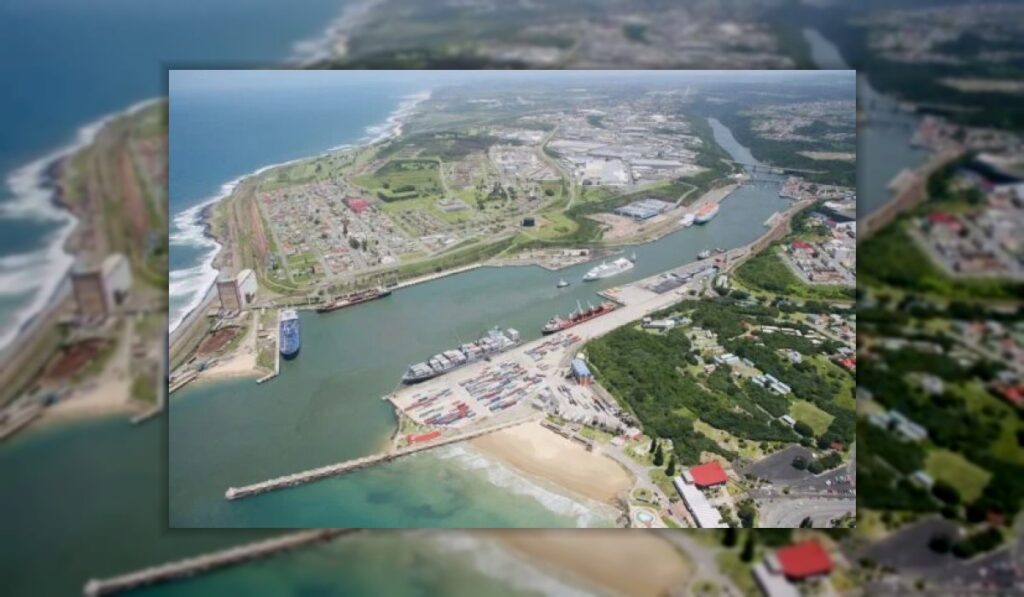
South Africa is transforming its only commercial river port into a multi-energy hub with a new liquefied natural gas (LNG) terminal, aiming to slash the Eastern Cape’s reliance on coal and stabilise the national grid. The Port of East London, located at the mouth of the Buffalo River, will soon host an 8,900-hectare LNG import facility under a 25-year concession agreement, marking a strategic shift for the region’s industrial future.
The move comes as Transnet National Ports Authority (TNPA) accelerates upgrades to the port’s infrastructure, including a $3.6 million project completed last year to deepen and strengthen the automotive terminal. The upgrade allows two new-generation vessels exceeding 200 meters (656 feet) in length to berth simultaneously, increasing the port’s annual capacity to 790,000 units.
This expansion solidifies East London’s role as the primary export hub for South Africa’s automotive manufacturing sector, which has long relied on the port’s diversified cargo handling facilities for containers, bulk liquids, and dry bulk grains.
Natural Gas
Why LNG? The Energy Crisis Driving South Africa’s Port Strategy: lng terminal
The decision to develop an LNG terminal at East London is a direct response to South Africa’s chronic energy shortages, locally known as load shedding. The country’s heavy dependence on coal-fired power stations has left the grid vulnerable to frequent blackouts, disrupting industries and households alike. By introducing LNG as a cleaner, more reliable energy source, TNPA aims to diversify the Eastern Cape’s energy mix and reduce the region’s carbon footprint.
The terminal, which will include storage tanks and infrastructure for receiving and dispatching LNG via vessels, pipelines, and tankers, is expected to serve niche consumers and industrial users. Sphiwe Mthembu, East London Port Manager, emphasised the project’s broader economic impact:
“This initiative represents a significant milestone in unlocking new investment opportunities within the port, further advancing its long-term growth and development objectives.”
Sphiwe Mthembu·East London Port Manager
Mthembu added that the terminal would attract private sector investment, support strategic energy infrastructure, and reinforce the port’s role as a catalyst for job creation and economic growth. The facility will be built within the port’s West Bank precinct, which already hosts the automotive terminal, dry bulk terminal, and a tanker berth. This integration ensures minimal disruption to existing operations while maximising the use of available land.
What’s Next? Timeline, Bids, and the Road to Energy Security
TNPA has set a deadline of end of February next year for private operators to submit bids for the LNG terminal project. The selected operator will be responsible for designing, financing, developing, constructing, operating, and maintaining the terminal before transferring it back to TNPA at the end of the 25-year concession. While the authority has not disclosed the projected costs, the terminal’s development is underpinned by strong market interest and growing regional demand for natural gas.
The Port of East London’s container handling capacity is also set for a major boost, with ongoing investments targeting an increase from 30,000 TEU to over 100,000 TEU. This expansion aligns with TNPA’s broader strategy to modernise South Africa’s port infrastructure, ensuring the country remains competitive in global trade. The Eastern Cape, home to key automotive manufacturers like Mercedes-Benz and Volkswagen, stands to benefit significantly from these upgrades, as smoother logistics and energy security could attract further industrial investment.
For South Africa, the LNG terminal is more than just a port upgrade, it’s a critical step toward energy diversification. The country’s Integrated Resource Plan outlines a transition from coal to gas-fired and renewable energy sources, and the East London terminal could serve as a blueprint for similar projects at other ports.
The Zululand Energy Terminal (ZET) at the Port of Richards Bay, for example, is already in development, with a floating storage unit capable of holding 170,000 cubic meters (six million cubic feet) of LNG and an onshore regasification system with a capacity of 400 million cubic feet per day.
As TNPA positions East London as a future energy and industrial hub, the port’s transformation could have ripple effects across the Eastern Cape. The terminal is expected to create jobs, stimulate local economies, and provide a stable energy supply for industries that have long suffered from unreliable power. With bids for the project due early next year, the race to shape South Africa’s energy future is officially underway.
For businesses and investors eyeing the Eastern Cape, the message is clear: the Port of East London is open for growth, and LNG is the fuel driving it forward.


Sign up free to ask CAMAL AI for a summary, the key points or anything else about this story.
Related stories
CAMAL AI
 Financial Ports Newsletter
The maritime economy, every morning
Ports, shipping and freight markets in one short email. Free.
Financial Ports Newsletter
The maritime economy, every morning
Ports, shipping and freight markets in one short email. Free.