

India’s SDHI to hire 550+ in 18 months
Swan Defence and Heavy Industries targets over 550 hires by March 2027, doubling its workforce in under two years.
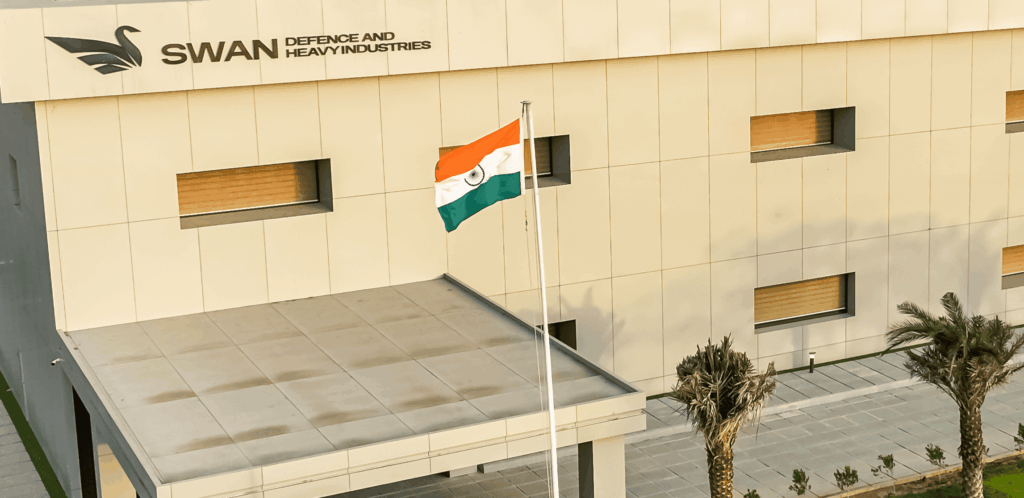
India’s Swan Defence and Heavy Industries Limited (SDHI) is on a hiring spree, targeting over 550 new workers by March 2027 as it ramps up capacity to meet a surging order book. The shipyard, which has already more than doubled its workforce in the past 18 months, is bolstering teams across newbuild, repair, and refit operations, from project management to precision welding.
SDHI’s expansion is not just about numbers. The company’s structured training initiative, SWAVALAMBAN, has emerged as a cornerstone of its growth strategy, bridging the gap between academic learning and industry demands. Launched last year in collaboration with government bodies and educational institutions, the programme has already trained over 100 graduate engineers, postgraduates, and industrial technicians, reducing their transition time from classroom to shop floor by at least 30%.
The maritime sector is a critical pillar of India’s economic ambitions, with the government targeting 28 million maritime jobs by 2030 under its Maritime India Vision 2030.
But SDHI’s impact extends beyond its own payroll. The scaled execution of its ongoing projects is estimated to generate at least 5,000 additional jobs over the next two to three years through its vendor and supply chain network.
Rear Admiral Vipin Kumar Saxena (Retd), CEO of SDHI, emphasised the strategic importance of investing in human capital alongside infrastructure. In a statement marking the success of SWAVALAMBAN ahead of World Maritime Day on September 24, he said.
“To support India’s vision of becoming a global maritime powerhouse, we must invest heavily in human capital alongside physical infrastructure. The success of SWAVALAMBAN proves that structured, industry-aligned training can dramatically accelerate technical readiness without compromising safety or quality. Through strong ecosystem partnerships, we are actively cultivating skilled professionals who will form the backbone of our growing shipbuilding and heavy engineering operations.”
Rear Admiral Vipin Kumar Saxena (Retd)·CEO, Swan Defence and Heavy Industries Limited
SWAVALAMBAN is not just another corporate training programme. Developed in consultation with key stakeholders, including the Ministry of Ports, Shipping and Waterways (MoPSW), the Ministry of Skill Development and Entrepreneurship (MSDE), and the Indian Maritime University (IMU), the initiative introduced India’s first structured, shipbuilding-specific curriculum.
Trainees undergo rigorous academic instruction co-developed with IMU, followed by immersive shop floor experience at SDHI’s facilities.
The programme’s emphasis on industry-aligned training reflects the core ethos of the International Maritime Organization’s (IMO) biennium theme: From Policy to Practice: Powering Maritime Excellence. By converting policy ambitions into tangible outcomes, SDHI is setting a benchmark for how shipyards, government bodies, and educational institutions can collaborate to build a self-reliant maritime workforce.
The country’s shipbuilding industry has long grappled with challenges such as outdated infrastructure, fragmented supply chains, and a shortage of skilled labour. SDHI’s aggressive hiring and training push addresses at least one of these bottlenecks, positioning the company as a key player in India’s quest to become a global maritime hub. The ripple effects of its expansion, from direct hires to supply chain jobs, could serve as a blueprint for other shipyards looking to scale up operations.
Looking ahead, SDHI’s next steps will be closely watched. The company’s ability to meet its March 2027 hiring target will depend not only on its recruitment efforts but also on the continued success of SWAVALAMBAN. As the programme expands, its impact on India’s maritime workforce could extend far beyond SDHI’s own operations, shaping the future of an entire industry.
For stakeholders, from policymakers to aspiring maritime professionals, the message is clear: India’s maritime ambitions are no longer just a vision. They are being built, one skilled worker at a time.


Sign up free to ask CAMAL AI for a summary, the key points or anything else about this story.
Related stories
CAMAL AI
 Financial Ports Newsletter
The maritime economy, every morning
Ports, shipping and freight markets in one short email. Free.
Financial Ports Newsletter
The maritime economy, every morning
Ports, shipping and freight markets in one short email. Free.