
EU Faces Backlash Over Plan to Greenlight Indian Shipbreaking Yards
NGOs warn inclusion of Shree Ram and YSI Recyclers in EU-approved list risks environmental and worker safety standards
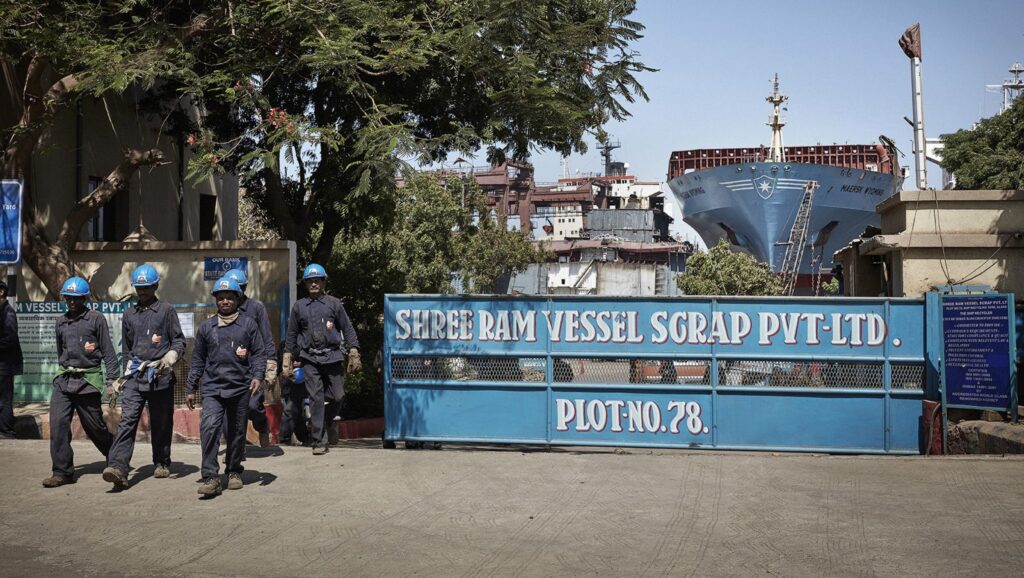
The move has drawn sharp criticism from environmental groups, steel producers, and European recyclers, who warn it undermines the EU’s own environmental standards and gives Indian facilities an unfair competitive edge.
The European Commission is set to unveil the 16th edition of its approved list of ship recycling facilities next month. For the first time, the list proposes including Shree Ram and YSI Recyclers, two yards in India’s Alang-Sosiya region.
Why the Inclusion of Indian Yards Is Controversial
The controversy centres on the beaching method, a practice where ships are dismantled directly on tidal mudflats without proper containment for pollutants. This technique, dominant in South Asia, has long been criticised for its environmental and safety risks.
A coalition of NGOs, including the NGO Shipbreaking Platform, EUROFER, and Transport & Environment, has urged the European Commission to reject the inclusion of Shree Ram and YSI Recyclers. In an open letter to Commissioners Jessika Roswall and Stéphane Séjourné, the groups argued that the Gujarat Pollution Control Board lacks the resources to enforce environmental safeguards effectively. Chronic understaffing, inadequate technical capacity, and weak transparency, they claim, make it impossible to ensure compliance with EU standards.
“While individual yards can commit to go beyond their national legal framework, it remains unclear how the Commission intends to ensure compliance in third countries without strong public enforcement and environmental governance at national level,” the letter states. The groups also warned that approving the yards would set a “chilling double standard” and further disadvantage Europe’s ship recycling sector, which operates under strict regulations.
Their inclusion on the EU List will set a chilling double standard and seriously undermine the EU’s own ship recycling sector.".
What’s at Stake for the EU’s Ship Recycling Industry
The inclusion of Shree Ram and YSI Recyclers would mark a significant shift in the EU’s approach, potentially opening the door to more South Asian yards in the future.
The debate also reflects broader tensions in the global ship recycling market. European yards argue that they cannot compete with the higher scrap prices offered by Indian facilities, which benefit from lower labour and environmental compliance costs. However, the European Shipowners Association and five other major shipping groups have backed the inclusion of the Indian yards, citing capacity constraints in Europe and the need for more recycling options.
“Any rubberstamping by the EU of the beaching method would only worsen unfair competition already faced by the European ship recycling sector,” the NGO coalition warned in its letter. The groups also pointed out that European yards have the technical capacity to handle the EU’s flagged fleet, just not the financial incentive to do so at South Asian prices.
The removal of these facilities could exacerbate the issue, making the inclusion of Indian yards even more contentious.
For shipowners, the decision presents a dilemma. While European recyclers offer safer, more environmentally friendly operations, Indian yards provide higher scrap prices, a critical factor in an industry where demolition values can make or break a vessel’s end-of-life economics. The EU’s final decision could set a precedent for how the bloc balances environmental standards with economic realities in global trade.
The European Commission has not yet responded to the NGOs’ demands, but the outcome of this debate will likely shape the future of ship recycling in Europe. If the Indian yards are approved, it could signal a shift toward more flexible standards, or spark legal challenges from European recyclers. If they are rejected, it may reinforce the EU’s commitment to environmental safeguards, even at the cost of higher scrap prices for shipowners.
One thing is clear: the stakes are high. The EU’s ship recycling list is more than just a regulatory tool, it’s a statement about the bloc’s environmental priorities and its willingness to enforce them globally. As the maritime industry watches closely, the Commission’s decision could either strengthen Europe’s green credentials or expose the challenges of maintaining them in a competitive global market.


Sign up free to ask CAMAL AI for a summary, the key points or anything else about this story.
Related stories
CAMAL AI
 Financial Ports Newsletter
The maritime economy, every morning
Ports, shipping and freight markets in one short email. Free.
Financial Ports Newsletter
The maritime economy, every morning
Ports, shipping and freight markets in one short email. Free.