

Ports urged to plan now for nuclear-powered future or risk gridlock
A 100 MWe small modular reactor could power a midsize port and its tenants, but regulatory hurdles remain.
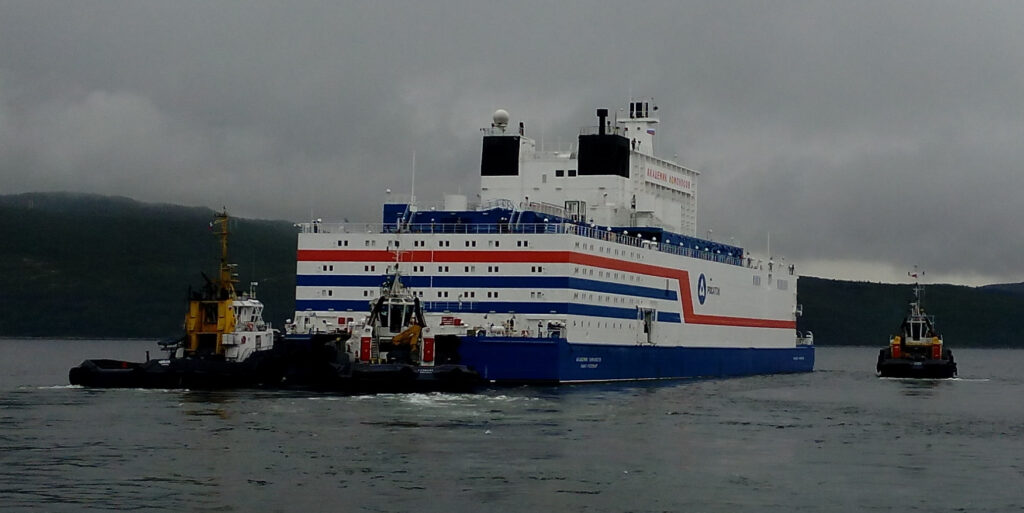
A new joint report by Lloyd’s Register (LR) and the British Ports Association (BPA) urges port operators to begin preparing for the integration of nuclear technology into maritime infrastructure. The study, titled Advanced Nuclear Technology Use Within Port Environments, highlights how small modular reactors (SMRs) and nuclear-powered vessels could address growing energy demands while supporting decarbonization efforts.
Ports have increasingly adopted electrification to reduce emissions, but this shift has led to a surge in electricity consumption that often exceeds local grid capacity. A 100 MWe small modular reactor, according to the report, could provide a stable, grid-independent power source capable of meeting the needs of a midsize port and its tenants. Beyond electricity, such reactors could offer additional benefits, including resilience during grid disruptions and process heat for nearby industries.
However, the report emphasizes that technological readiness alone is insufficient. “Advanced nuclear has the potential to transform ports into resilient, low-carbon energy hubs,” said Mark Tipping, Head of Offshore Power-to-X at Lloyd’s Register. “But realizing this opportunity will require early collaboration across the maritime and nuclear sectors, along with robust governance and assurance frameworks.”
Key challenges and strategic planning: nuclear-powered ports
The report identifies ports with high electricity demand, limited grid supply, and industrial neighbors as the most likely candidates to benefit from nuclear integration. Yet, significant hurdles remain, particularly in regulatory alignment, emergency preparedness, liability, and workforce training. The current lack of clear frameworks between maritime and nuclear regulators poses a major obstacle to commercial deployment.
Richard Ballantyne, Chief Executive of the BPA, underscored the need for proactive planning. “Ports must assess their future energy needs, grid constraints, and stakeholder requirements now to position themselves for informed investment decisions,” he stated. The report recommends a tiered readiness approach, from basic nuclear awareness to full operational support, to ensure ports can adapt as regulations evolve.
Engagement with local communities, workers, and regulators is also critical. The report warns that building public trust and integrating nuclear safety protocols into existing port management systems will be essential for long-term success. While the transition will require sustained collaboration, ports that act early will be better equipped to shape the regulatory and commercial frameworks that will define nuclear’s role in maritime infrastructure.
The white paper serves as a call to action, urging port operators to begin planning now to avoid falling behind as the industry moves toward cleaner, more resilient energy solutions.


Sign up free to ask CAMAL AI for a summary, the key points or anything else about this story.
Related stories
CAMAL AI
 Financial Ports Newsletter
The maritime economy, every morning
Ports, shipping and freight markets in one short email. Free.



