

Maersk Tankers Bets €3.8bn on Ammonia-Fuelled VLACs to Cut 1.2m Tons CO₂
Maersk Tankers secures EU Innovation Fund backing to retrofit four very large ammonia carriers with dual-fuel engines.
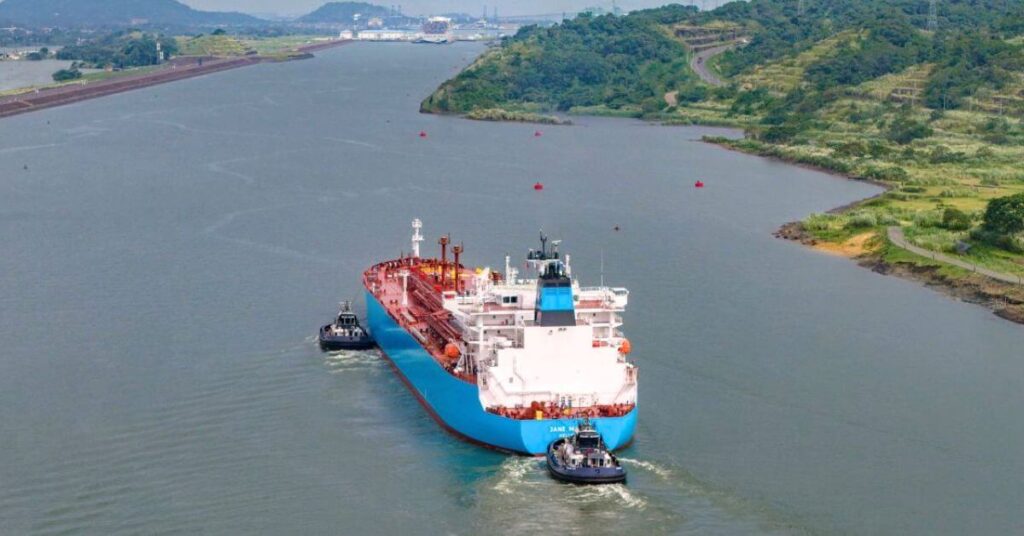
A Maersk Tankers initiative to convert large ammonia carriers into dual-fuel vessels has been selected for funding by the European Union’s Innovation Fund. The project, named RIPPLE, aims to retrofit four very large ammonia carriers (VLACs) with engines capable of running on ammonia, a carbon-free fuel alternative.
The European Commission included RIPPLE among 77 projects chosen in its latest funding round, which allocates €3.4 billion ($3.8 billion) to innovative climate initiatives. If finalised, the project is expected to prevent emissions of over 1.2 million tons of carbon dioxide equivalent over the next decade.
Maersk Tankers Secures EU Funding for Ammonia-Powered Vessel Retrofit
Maersk Tankers has already taken delivery of two VLACs, Jane Maersk and Jessie Maersk, from South Korean shipbuilder HD Hyundai Samho Heavy Industries, with two more vessels expected shortly. The company has ordered a total of 10 VLACs but has not yet committed to converting all of them. The decision to proceed with retrofits will depend on securing commercial commitments from customers.
A.P. Møller-Maersk
While the EU has selected RIPPLE for potential funding, the final grant agreement remains under negotiation. The European Climate, Infrastructure and Environment Executive Agency (CINEA) is currently drafting the terms, including budgeting, timelines, and legal requirements. The European Commission is expected to announce the results of this process in the first quarter of 2027.
Funding and Timeline Still Under Negotiation
The project’s success hinges on both regulatory approval and market demand. Maersk Tankers has stated that the retrofits will only move forward if customers demonstrate sufficient interest in ammonia-powered shipping. The company’s cautious approach reflects the challenges of adopting new fuel technologies in a commercially viable way.
If implemented, the RIPPLE project could set a precedent for large-scale ammonia adoption in the maritime industry, advancing efforts to reduce greenhouse gas emissions from shipping.


Sign up free to ask CAMAL AI for a summary, the key points or anything else about this story.
Related stories
CAMAL AI
 Financial Ports Newsletter
The maritime economy, every morning
Ports, shipping and freight markets in one short email. Free.



