

EU backs Maersk’s first ammonia-fuelled VLAC retrofit with €3.4bn fund
Maersk Tankers’ RIPPLE project aims to cut 1.2m tonnes of CO₂ over a decade with ammonia dual-fuel engines.
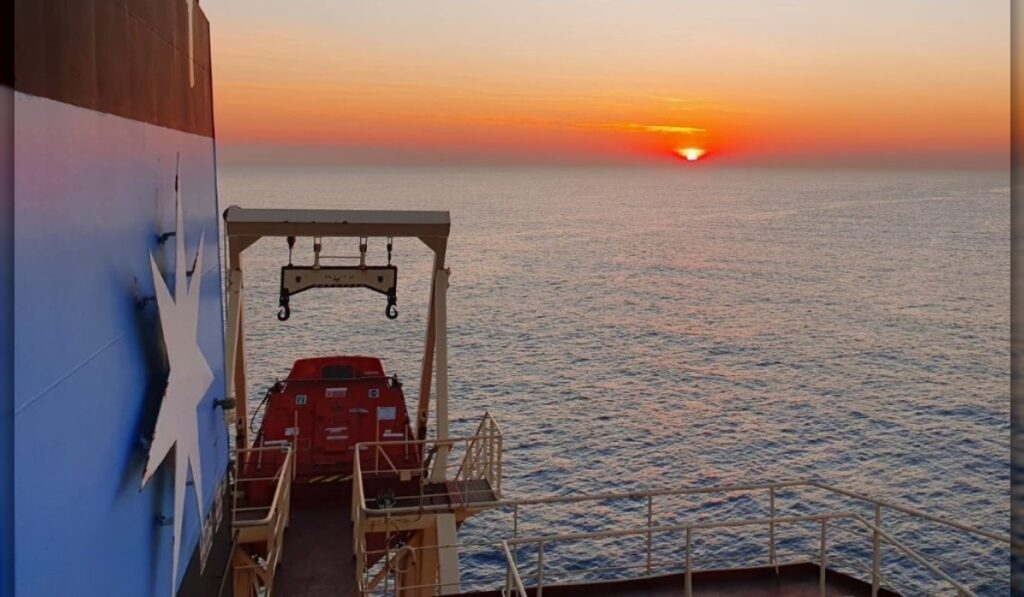
The European Union has selected Maersk Tankers’ RIPPLE project for funding under its Innovation Fund, marking a significant step toward converting four very large ammonia carriers (VLACs) to run on ammonia as a propulsion fuel. The initiative aims to equip the vessels with dual-fuel, two-stroke ammonia engines, allowing them to use the cargo they transport as an alternative to conventional marine fuels.
The project is projected to reduce emissions by over 1.2 million tonnes of carbon dioxide equivalent over a decade, according to the European Commission. If successful, RIPPLE would demonstrate the EU’s first dual-fuel ammonia retrofit on a VLAC, aligning with broader efforts to decarbonize the maritime industry.
Maersk Tankers advances EU-backed ammonia fuel conversion for VLACs
The European Commission has invited the project to begin preparing a grant agreement, though the exact funding amount remains unfinalized. Final decisions on financial support and operational timelines are expected in the first quarter of 2027, when the Commission completes agreements with the 77 projects selected in this funding round.
A.P. Møller-Maersk
Maersk Tankers, however, has stressed that the project’s progression depends on securing commercial commitments from customers. The company stated that any decision to proceed would require market backing, reflecting the challenges of balancing technological innovation with industry demand. The vessels, currently under construction at South Korea’s HD Hyundai Samho, were designed with the potential for ammonia propulsion, but the actual conversion hinges on regulatory and commercial conditions.
Funding and next steps
The company has ordered 10 VLACs, each with a capacity of 93,000 cubic meters, as part of its expansion into the gas carrier sector. The first two vessels, Jane Maersk and Jessie Maersk, were delivered in 2026, with two more expected shortly. While all ten ships were specified with the option for ammonia propulsion, the RIPPLE project will initially focus on converting four of them.
The EU’s Innovation Fund, which allocated €3.4 billion ($3.8 billion) in this round, supports low-carbon technologies across sectors, including renewable energy and sustainable transport. The selection of RIPPLE underscores the maritime industry’s growing interest in ammonia as a cleaner fuel alternative.


Sign up free to ask CAMAL AI for a summary, the key points or anything else about this story.
Related stories
CAMAL AI
 Financial Ports Newsletter
The maritime economy, every morning
Ports, shipping and freight markets in one short email. Free.



