

AI and Nuclear Power Redefine Shipping’s Future at ABS Summit
Maritime leaders in New York debate how AI, robotics and nuclear energy will transform global fleets and ports by 2030
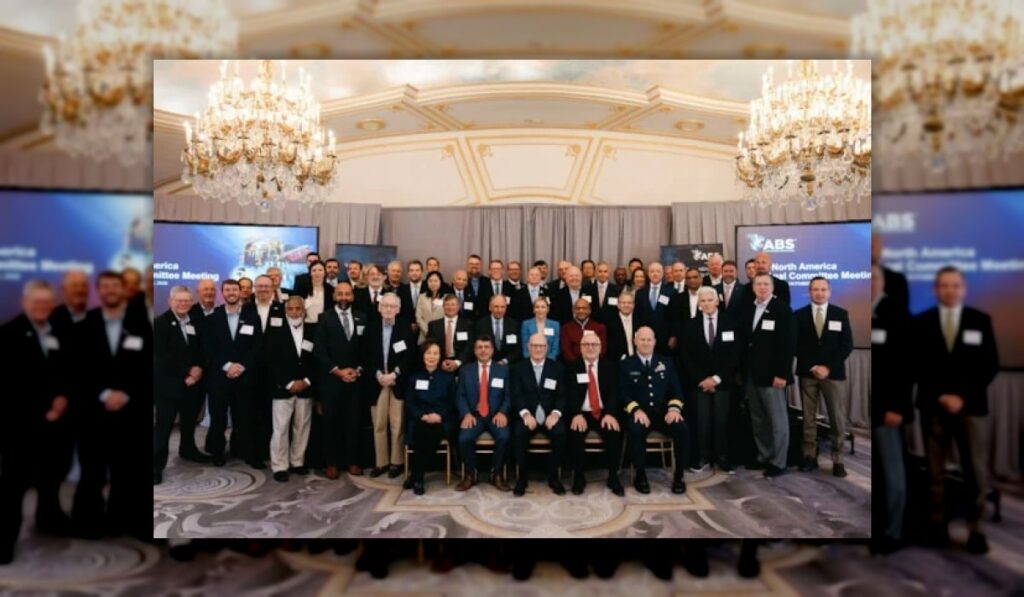
“Rapid technology innovation and autonomous systems are transforming shipping into a highly connected, data-driven industry,” he told delegates. The shift, he added, is being propelled by advances in AI, autonomous and smart shipping, alternative fuels, cybersecurity and cloud platforms that are scaling across fleets and ports.
McDonald stressed that as these technologies move from development to daily operations, the sector faces a critical challenge: ensuring owners, shipyards and regulators have reliable support. “ABS and its affiliated companies bring technology leadership, safety expertise, industrial support and regulatory insight to help the industry work through that change,” he said.
The discussion also highlighted the broader U.S. maritime revitalisation effort, which McDonald noted extends far beyond shipbuilding. The goal is to rebuild the entire maritime industrial base, encompassing shipyards, workforce development, technology adoption, supply chains and fleet capacity.
“As new technologies move from development into daily operations, owners, shipyards and regulators need support they can rely on. ABS and its affiliated companies bring technology leadership, safety expertise, industrial support and regulatory insight to help the industry work through that change.”
John McDonald·ABS Chairman and CEO
AI and Robotics Lead the Transformation: ai in shipping
The summit featured insights from two major players outside the maritime sector. Daryl Willis, Microsoft’s Corporate Vice President for Energy & Resources Industry, outlined how AI, cloud computing and data-driven technologies are transforming shipping. His presentation focused on four key areas: digitalisation, operational optimisation, cybersecurity and emissions reduction.
Ellen Zentner, Morgan Stanley’s Chief Economic Strategist and Global Head of Thematic and Macro Investing, provided a macroeconomic perspective. Her outlook for shipping and transportation markets included an analysis of capital markets, financing trends and the broader economic forces shaping the industry.
James Sagar, CEO of Hanwha Shipping and President of Hanwha Maritime Solutions, framed the discussion around practicality. “At both ABS and Hanwha, we believe the future of our industry will be shaped by market-driven solutions that create lasting value,” he said.
Industry Giants Weigh In on AI and Market Trends
“At both ABS and Hanwha, we believe the future of our industry will be shaped by market-driven solutions that create lasting value. Innovation is essential, but meaningful progress must also be safe, practical, scalable and commercially sustainable. That is why the ABS North America Regional Committee plays such an important role. By bringing together industry expertise, addressing shared challenges and strengthening collaboration, we can help shape the next chapter of maritime innovation while advancing safety, sustainability and long-term growth.”
James Sagar·Hanwha Shipping CEO and Committee Chairman
The meeting also included updates from ABS executives. Patrick Ryan, ABS Senior Vice President and Chief Technology Officer, provided a deep dive into the technical developments underway. David Walker, ABS Vice President for Global Government, discussed U.S. maritime activity, while Dave Wechsler and Matt Mowrer from ABS Group covered the company’s AI initiatives and broader industrial support offerings.
The summit served as a reminder that the maritime industry is at an inflection point. The convergence of AI, robotics, nuclear propulsion and digital twins is not merely an evolution, it is a revolution that will demand new regulatory frameworks, workforce skills and business models. As McDonald noted, the challenge is not just adopting these technologies, but integrating them in a way that ensures safety, sustainability and long-term viability for an industry that underpins global trade.
For now, the focus remains on collaboration. The ABS North America Regional Committee, with its blend of industry expertise and technological foresight, is positioned to play a pivotal role in guiding the sector through this transformative period. The next steps will likely involve pilot projects, regulatory sandboxes and cross-industry partnerships, all aimed at turning the promises of AI and nuclear power into tangible realities for shipping.


Sign up free to ask CAMAL AI for a summary, the key points or anything else about this story.
Related stories
CAMAL AI
 Financial Ports Newsletter
The maritime economy, every morning
Ports, shipping and freight markets in one short email. Free.



