

Russia’s Arctic Oil Fleet Pushes North: The Dark Route to Asia
Moscow dispatches sanctioned tankers within 500 nautical miles of the North Pole, reshaping global oil flows.
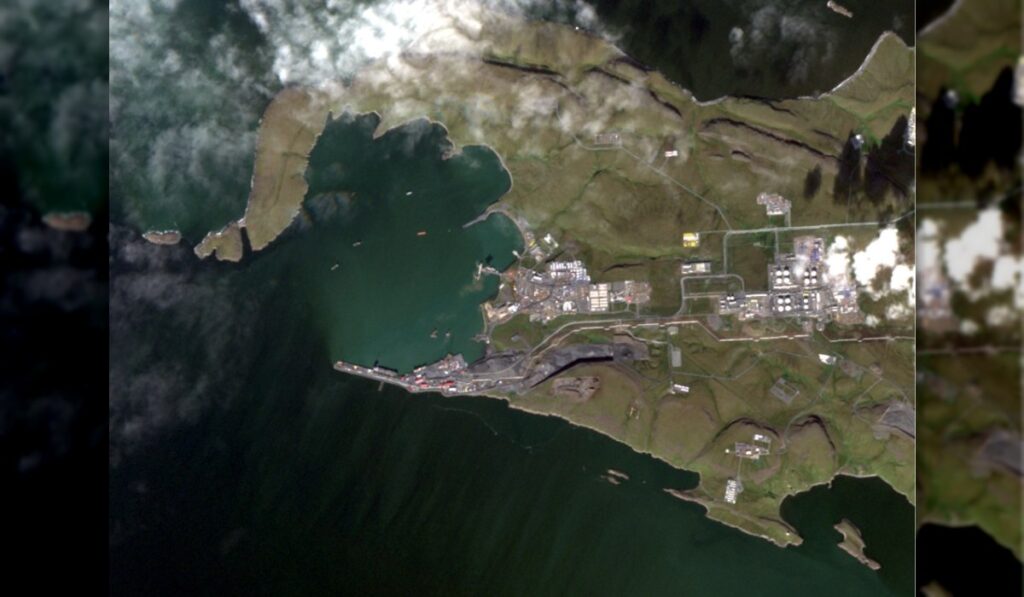
Russia has sent an unprecedented convoy of sanctioned oil tankers within 500 nautical miles of the North Pole, routing vessels north of the Severnaya Zemlya archipelago to exploit the thawing Northern Sea Route (NSR).
The NSR, a corridor running along Russia’s northern coastline, has become a critical artery for Moscow’s energy exports as ice melt opens new shipping lanes. President Putin’s Trans-Arctic Transport Corridor plan aims to link Russia’s Baltic region, Arctic, and Far East, reducing reliance on traditional routes vulnerable to interdiction. However, the strategy is not without risks: a tanker recently sustained hull damage while traversing Arctic ice, resulting in a 53 million ruble ($650,000) insurance payout by Russian insurer AlfaStrakhovanie.
Pipelines from the Volkhov region near St. Petersburg now extend to Murmansk, while the newly opened Sever Bay Terminal, south of Dikson, exports output from the Gydan Arctic 2 LNG and Vostok Oil fields. A 500-mile pipeline across the Arctic tundra connects these fields to the terminal, enabling large-scale exports.
Natural Gas
Two Arc7 LNG-class tankers, the Aleksey Kosygin (IMO 9904546) and Pyotr Stolypin (IMO 9904675), were built at the Zvezda shipyard specifically for NSR operations. The Aleksey Kosygin made its maiden voyage to Sever Bay in December 2025, with its sister ship expected to follow soon. However, both vessels, and feeder ships like the shuttle tanker Akademik Gubnik (IMO 9842190), are sanctioned, forcing Russia to employ dark fleet tactics once cargoes leave the NSR.
Intelligence firm SynMax has tracked dark fleet activity in the region, including four sanctioned tankers conducting ship-to-ship (STS) transfers 65 nautical miles east of Chongin, North Korea.
Arctic Navigation: High Risk, High Reward: northern sea route
While the NSR offers a sanctions-resistant route, its extreme conditions pose significant operational challenges. The recent hull damage incident, despite icebreaker assistance, underscores the risks.
The fleet’s position, just 500 nautical miles from the North Pole, demonstrates Russia’s willingness to test the limits of Arctic navigation to maintain energy exports.
The NSR’s growing traffic is not limited to oil. LNG shipments are also increasing, with the Sever Bay Terminal serving as a key export hub. The terminal’s location at the mouth of the Yenisei River provides direct access to the Kara Sea, a critical segment of the NSR. However, the route’s reliance on icebreakers, such as the nuclear-powered Arkitka operated by Atomflot, adds another layer of complexity. Icebreaker escorts are essential for safe passage, but as the AlfaStrakhovanie incident shows, they do not eliminate risks entirely.
The Arc7 LNG-class tankers, designed for ice navigation, are a response to these challenges, but their sanctioned status complicates operations. Once cargoes leave the NSR, dark fleet tactics, including STS transfers in remote locations like the Sea of Japan, become necessary to evade sanctions.
The NSR’s strategic importance is likely to grow as Russia seeks to diversify its energy export routes. The Baltic Pipeline System’s terminal at Varandey and the Sever Bay Terminal are just the beginning. Future expansions could include additional pipelines and export hubs, further integrating the Arctic into Russia’s energy infrastructure. However, the route’s viability hinges on continued ice melt, a trend that, while beneficial for shipping, raises broader environmental concerns.
For the maritime industry, the NSR’s rise underscores the need for robust risk assessment frameworks. Insurers like AlfaStrakhovanie must balance the financial incentives of Arctic shipping with the technical challenges of hull stress, ice damage, and sanctions evasion. As Lavrova noted, accurate damage assessment is critical to minimizing downtime and ensuring vessels return to service promptly. The $650,000 payout for the recent hull damage incident is a stark reminder of the costs involved.
Looking ahead, the NSR’s role in global energy markets will depend on several factors: the pace of Arctic ice melt, the effectiveness of Western sanctions, and Russia’s ability to mitigate operational risks. For now, Moscow appears undeterred. The unprecedented convoy of tankers pushing north of Severnaya Zemlya signals a bold gamble, one that could redefine Arctic shipping if successful, or serve as a cautionary tale if the risks prove too great.


Sign up free to ask CAMAL AI for a summary, the key points or anything else about this story.
Related stories
CAMAL AI
 Financial Ports Newsletter
The maritime economy, every morning
Ports, shipping and freight markets in one short email. Free.
Financial Ports Newsletter
The maritime economy, every morning
Ports, shipping and freight markets in one short email. Free.