

US Destroys Second Drug Gang Fuel Ship in Pacific—Why It Matters
SOUTHCOM sinks a second floating refuelling station linked to Ecuador’s Los Choneros gang in the Eastern Pacific.
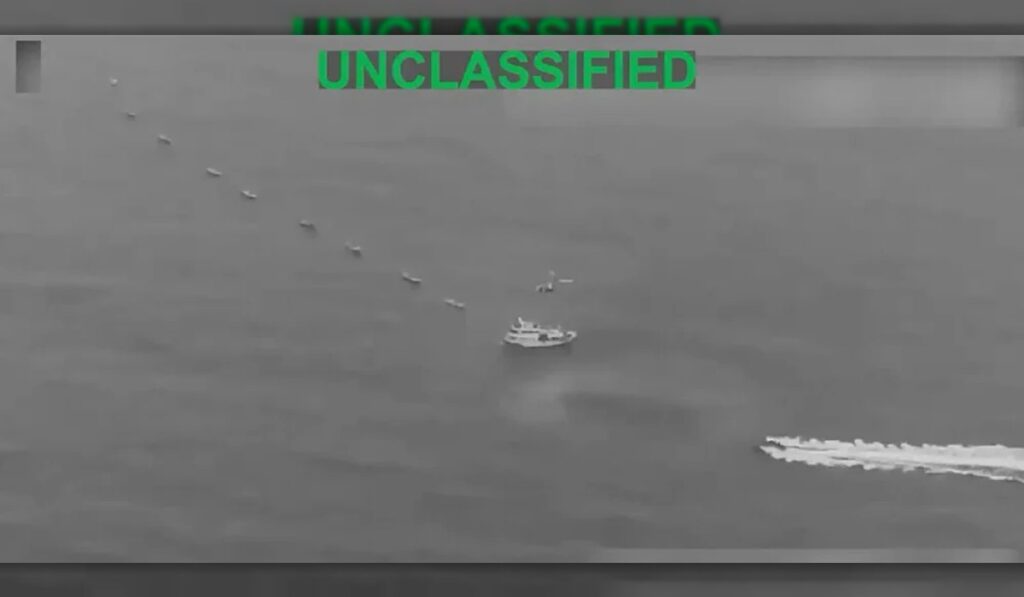
US Southern Command (SOUTHCOM) has destroyed a second floating refueling station in the Eastern Pacific, striking at the heart of cocaine smuggling routes used by Ecuador’s violent Los Choneros drug gang. The latest interdiction, carried out on September 15, 2026, targeted a vessel linked to the gang’s logistics network, which provides at-sea refueling for smugglers en route to Central America.
The operation, part of a broader strategy to disrupt drug trafficking in the Western Hemisphere, saw US forces intercept, search, and ultimately destroy the vessel after disembarking its crew. The individuals aboard were transferred to Ecuadorian authorities for further investigation, a move that underscores the collaborative efforts between the US and Ecuador in combating organized crime. The presence of a UH-1 helicopter during the interdiction suggests the involvement of the US Marine Corps, a key player in SOUTHCOM’s maritime operations.
Why Floating Refueling Stations Are a Critical Target: Drug
Floating refueling stations have become a linchpin in the logistics of cocaine smuggling from South America to Central America and beyond. These vessels, often disguised as fishing boats, enable smugglers to extend their range without the need for port calls, which are increasingly monitored by authorities. By targeting these stations, SOUTHCOM aims to cripple the traffickers’ ability to sustain long-distance voyages, forcing them to rely on riskier, shorter routes or abandon operations altogether.
Royal Caribbean
The Los Choneros gang, based in Ecuador, has been identified as a major player in this illicit trade. The group is known for its violent tactics and sophisticated logistics, which include prearranged refueling at sea. Ecuador has emerged as a key departure point for cocaine shipments, with many voyages originating from its ports before heading north. The destruction of these refueling stations is expected to disrupt the gang’s operations significantly, though experts warn that traffickers may adapt by shifting to alternative methods.
SOUTHCOM Commander Gen. Francis L. Donovan emphasized the strategic importance of these operations in a statement:
“We are exerting unrelenting pressure on these narco-terrorists and hurting them where it counts: dismantling their intricate networks, disrupting their sophisticated logistics, and dealing a blow to their finances. This is what total systemic friction looks like.”
Gen. Francis L. Donovan·SOUTHCOM Commander
The Broader Strategy: Operation Southern Spear and Beyond
The latest interdiction is part of Operation Southern Spear, a US military initiative launched a year ago to combat drug trafficking in the Western Hemisphere. The operation has seen a mix of lethal and non-lethal strikes, including the destruction of a go-fast smuggling vessel in the Caribbean on September 9, 2026, which resulted in the deaths of three suspected traffickers. While the focus has been on disrupting logistics, SOUTHCOM has made it clear that lethal force remains an option when necessary.
The collaboration with Ecuadorian authorities has been a cornerstone of this effort. Gen. Donovan highlighted the importance of this partnership:
“Alongside our Ecuadorian partners, we are relentlessly pursuing narco-terrorists who prey on our citizens, undermine hemispheric security, and leave death and suffering in their wake. This deliberate, lawful, and precise operation saves lives and makes our citizens, from Ecuador to the United States, safer.”
Gen. Francis L. Donovan·SOUTHCOM Commander
Despite the successes, the operation has not been without controversy. Relatives of fishermen in the Ecuadorian port city of Manta reported losing contact with a vessel that departed on a fishing trip prior to the interdiction. Olivia Holguin, the sister of one of the ship’s captains, expressed concern:
“They are fishermen, they struggle to bring food to our homes, for our children. We want answers, we want to know about them, if they are OK.”
Olivia Holguin·Sister of a ship
SOUTHCOM has stated that all intercepted vessels are thoroughly searched before any action is taken, and that crew members are disembarked and handed over to local authorities for processing. However, the lack of immediate communication with families has raised questions about the transparency of these operations.
The destruction of the two refueling stations in the Eastern Pacific marks a significant escalation in the fight against drug trafficking in the region. While the immediate impact on cocaine flows remains to be seen, the disruption of these logistics networks is expected to force traffickers to adapt, potentially leading to increased risks and higher costs for their operations. For now, SOUTHCOM remains committed to its strategy of total systemic friction, aiming to dismantle the infrastructure that enables the drug trade to thrive.
As the situation develops, stakeholders on both sides of the border will be watching closely to see how traffickers respond to these latest setbacks. For the families of those affected, the hope is that answers will come soon, and that the broader fight against organized crime will ultimately lead to safer communities.


Sign up free to ask CAMAL AI for a summary, the key points or anything else about this story.
Related stories
CAMAL AI
 Financial Ports Newsletter
The maritime economy, every morning
Ports, shipping and freight markets in one short email. Free.
Financial Ports Newsletter
The maritime economy, every morning
Ports, shipping and freight markets in one short email. Free.



