

Sinokor faces Iran’s fleet-wide crackdown from Sunday: 46 ships blacklisted
Tehran’s Persian Gulf Strait Authority accuses South Korea’s dominant VLCC owner of the highest transit violations in.
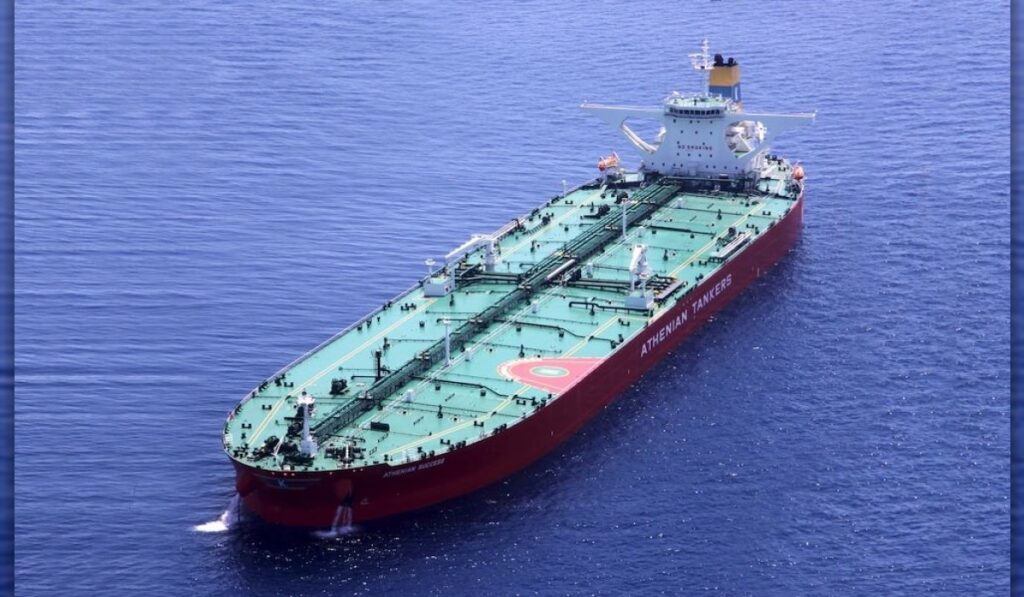
Iran has intensified pressure on South Korea’s largest tanker operator, Sinokor, by threatening its entire fleet with legal consequences starting November 1. The Persian Gulf Strait Authority (PGSA) accused the company of violating Tehran’s shipping regulations in the Strait of Hormuz more frequently than any other operator over the past three months.
The PGSA announced that all Sinokor vessels would face unspecified “legal action” from the deadline, marking the first time Iran has targeted an entire shipping company rather than individual ships. The authority had already taken enforcement measures against at least seven Sinokor-linked tankers in recent months. While the exact nature of the penalties remains unclear, the warning extends to cargo owners, charterers, and insurers associated with the fleet.
First company-wide sanctions: Sinokor
Sinokor has become the dominant player in Gulf oil transport since regional conflicts escalated, expanding its very large crude carrier (VLCC) fleet and benefiting from soaring freight rates. According to vessel-tracking data, Sinokor-controlled tankers transported 105.6 million barrels of crude through the Strait of Hormuz in September, 37% of total volumes. At least seven of its vessels have reportedly been hit by missiles or drones during the conflict.
The Korea Shipowners’ Association has rejected Iran’s allegations, stating that the disputed vessels were sub-chartered to an overseas oil company and carried no South Korean crew. Sinokor is seeking clarification on the PGSA’s warning but has not issued a formal response.
The PGSA’s non-compliance list, which names ships accused of violating Iranian regulations, nearly doubled in size on November 2 with the addition of 114 vessels. The authority confirmed to industry sources that Sinokor’s entire fleet would be treated the same as blacklisted ships. The updated list now includes 240 vessels, with Sinokor-linked tankers among the most affected.
Industry pushback and growing blacklist
The escalation comes amid renewed uncertainty in the Strait of Hormuz. Iran’s navy claimed yesterday that an unidentified tanker caught fire after striking mines east of the waterway while sailing with its tracking systems disabled. The incident remains unverified, and the U.S. Central Command has previously stated that the strait’s main shipping lanes were clear of Iranian mines.
As the November 1 deadline approaches, the maritime industry is assessing the risks. Insurers and charterers are reviewing policies for vessels transiting the strait, while analysts warn that further disruptions could impact global oil flows. For Sinokor, once a strategic leader in Gulf shipping, the standoff with Iran now threatens its operations in one of the world’s most critical trade routes.


Sign up free to ask CAMAL AI for a summary, the key points or anything else about this story.
Related stories
CAMAL AI
 Financial Ports Newsletter
The maritime economy, every morning
Ports, shipping and freight markets in one short email. Free.



