

Tanker Fire Off Iraq Sparks Fears of Widening Maritime War
UKMTO reports vessel ablaze 63 nautical miles southeast of Al-Faw, the 10th suspected Iranian strike this month.
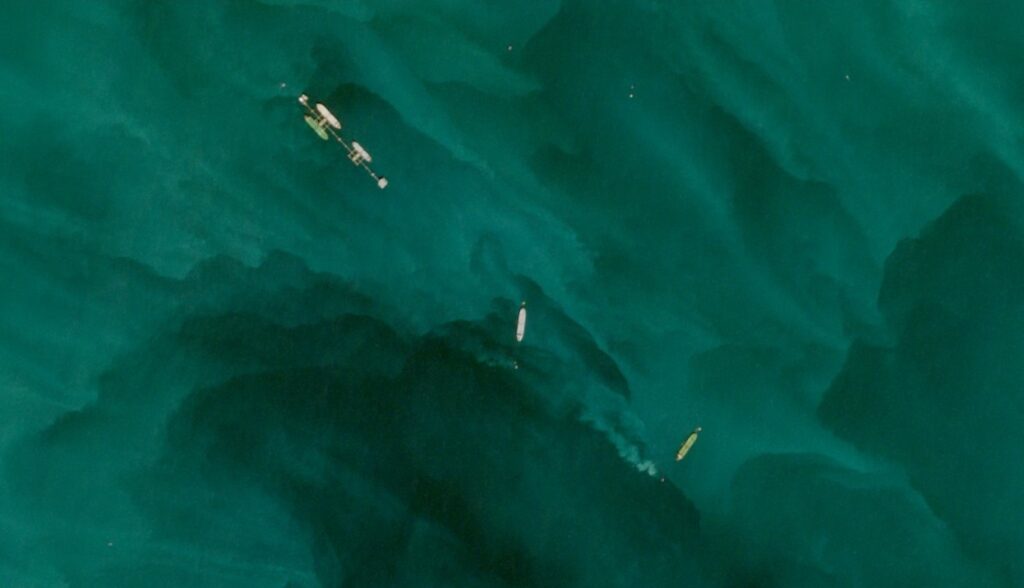
A fire has broken out on a commercial vessel in the Arabian Gulf, approximately 63 nautical miles southeast of Iraq’s Al-Faw port, according to the UK Maritime Trade Operations (UKMTO). The incident, classified as suspicious activity, marks the latest in a series of attacks targeting ships in the region.
The UKMTO confirmed receiving multiple reports of a vessel on fire in Iraq’s exclusive economic zone on Monday. The exact location was identified as 63 nautical miles (116.6 kilometers) southeast of Al-Faw, near critical oil export terminals. Authorities have not disclosed the vessel’s identity, the cause of the fire, or the crew’s condition. The extent of damage and potential environmental consequences remain unknown.
Incident Details and Regional Risks: iranian maritime strikes
Vessels operating in the northern Arabian Gulf have been urged to exercise extreme caution and report any unusual activity to maritime authorities. The area has seen a sharp rise in hostile incidents, transforming it into an active conflict zone for commercial shipping.
Brent Crude
Security analysts link the incident to a broader pattern of suspected Iranian strikes on commercial vessels. Brett Erickson, a consultant at Obsidian Risk Advisors, stated this was the 10th such attack since the beginning of October, reflecting an escalation in both frequency and severity. While previous strikes were concentrated near the Strait of Hormuz, recent targets have shifted northwest toward Iraq, outside the immediate reach of U.S. air defenses in the strait.
Erickson noted that the attacks are becoming more destructive, with recent strikes capable of disabling or even sinking vessels. Last week, a container ship was lost in one such incident, a rare occurrence in a conflict where most attacks result in damage rather than total destruction.
Escalation of Attacks and Strategic Impact
The strategy appears aimed at disrupting oil exports from Gulf Cooperation Council (GCC) nations by targeting tankers in less protected areas. The approach has contributed to sustained high crude oil prices, with Brent futures trading near $115 per barrel, a factor in global energy markets ahead of key political events.
Just days before this incident, another tanker reported being struck by an unidentified missile 30 nautical miles (55.5 kilometers) southeast of Al-Faw, though authorities have not confirmed a connection between the two events.


Sign up free to ask CAMAL AI for a summary, the key points or anything else about this story.
Related stories
CAMAL AI
 Financial Ports Newsletter
The maritime economy, every morning
Ports, shipping and freight markets in one short email. Free.



