

Liner Shipping’s $200,000-a-Voyage Gamble: Who Pays When Routes Collapse?
Carriers reroute Asia-Europe services via the Cape of Good Hope.
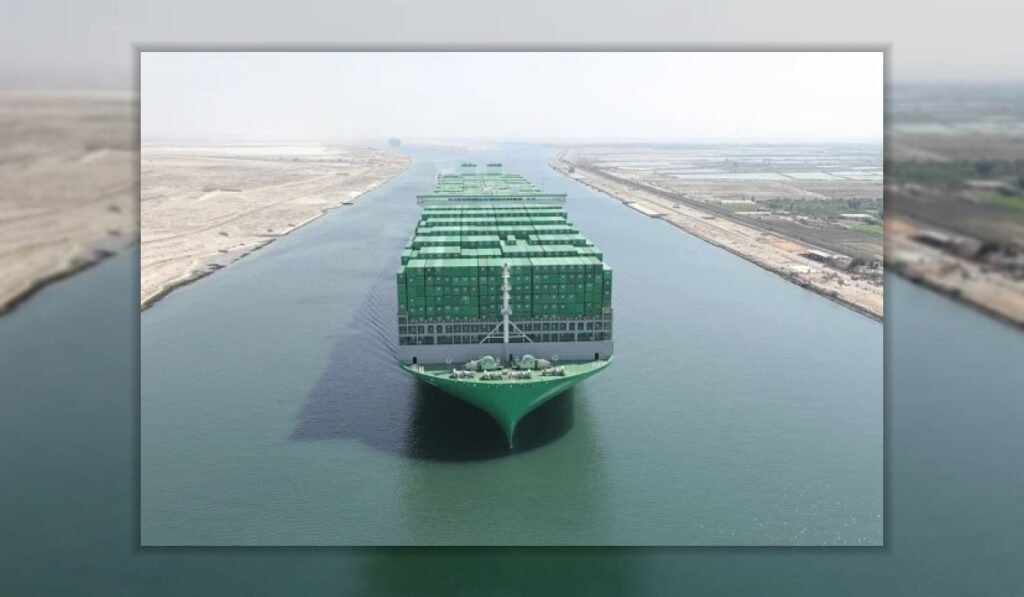
Liner shipping’s promise of predictability has collided with geopolitical reality. As carriers reroute Asia-Europe services around the Cape of Good Hope to avoid Red Sea disruptions, round-voyage times have ballooned by two weeks, triggering a cascade of delays, missed connections, and contractual disputes. The fallout exposes a fundamental tension: while shippers rely on published schedules to plan supply chains, carriers wield broad contractual rights to alter routes, often without compensation.
The impact is not confined to a single voyage. Each delayed arrival ripples through the entire service string, disrupting subsequent port calls, transshipment connections, and shippers’ inventory plans. For carriers, the dilemma is stark: preserve network integrity by rerouting, or uphold commercial promises at the cost of operational chaos.
Geopolitical Chokepoints: A Persistent Threat to Maritime Trade: Liner Shipping
The Red Sea is not the first, nor will it be the last, maritime chokepoint to disrupt global shipping. The Strait of Hormuz, a critical passage for oil tankers, and the Panama Canal, a vital artery for container traffic between Asia and the Americas, have both faced periods of instability in recent years. These chokepoints are defined by their narrow geography and high strategic value, making them vulnerable to geopolitical tensions, piracy, and even climate-related disruptions.
While the current Red Sea crisis stems from security concerns rather than an accident, the economic impact is similarly profound. Carriers rerouting around the Cape of Good Hope face not only longer transit times but also increased operational costs, which are ultimately passed on to shippers and consumers.
How Liberty Clauses Shield Carriers, and Leave Shippers Exposed
The legal framework governing liner shipping is built on an asymmetry of power. Most bills of lading include liberty clauses granting carriers the right to deviate from advertised routes, omit ports, transfer cargo, and adjust arrival times, all without liability for delays or additional costs. Service contracts, which govern volume commitments, typically mirror these provisions, allowing carriers to modify schedules or substitute vessels with limited notice.
For shippers, this creates a precarious reality. They commit warehouse capacity, production schedules, and delivery windows based on published transit times, only to find those timelines upended by rerouting decisions. When a vessel arrives two weeks late at Rotterdam or Hamburg, the consequences are immediate: missed transshipment connections, congested terminals, and stranded cargo.
Yet under current contracts, shippers have little recourse. Liberty clauses, designed for minor deviations, are now being stretched to cover large-scale rerouting, with courts yet to rule definitively on their scope in such scenarios.
His previous work, titled “When Geography Breaks the Contract”, highlights the inadequacies of existing contractual frameworks in addressing large-scale disruptions.
Rerouting vessels around the Cape of Good Hope generates incremental costs that carriers are eager to pass on. To recoup these losses, carriers deploy a suite of surcharges: emergency bunker adjustments, war risk surcharges, and peak season supplements.
The enforceability of these surcharges hinges on contractual fine print. Some service contracts cap additional fees or require advance notice, but many do not. Shippers, already grappling with delayed cargo, often find themselves facing unexpected bills with limited ability to challenge them. The result is a growing rift between the two sides of the industry. Carriers argue that they are merely responding to forces beyond their control, while shippers see a system rigged in favor of flexibility over reliability.
For shippers, the financial impact extends beyond surcharges. Delays can lead to missed delivery windows, inventory shortages, and increased working capital requirements. Cargo stranded at unintended ports may incur additional storage fees, while missed transshipment connections can result in further delays. These costs are rarely recoverable under existing contracts, which often limit liability for delay and cap damages. The lack of transparency in cost allocation exacerbates the problem, leaving shippers with few options but to absorb the losses.
The Red Sea crisis has laid bare the vulnerabilities of an industry built on just-in-time supply chains. For decades, liner shipping has operated under the assumption of geographic stability, with contracts designed to manage minor disruptions rather than prolonged chokepoint closures. The current situation, however, suggests that such disruptions are becoming the new normal. Climate change, geopolitical tensions, and infrastructure bottlenecks are likely to create more frequent and severe disruptions in the years ahead.
For carriers, the challenge is to balance operational flexibility with commercial reliability. The ability to reroute vessels and adjust schedules is essential for managing disruptions, but it comes at a cost to shippers. The industry must find a way to allocate risk more equitably, ensuring that carriers can adapt to changing conditions without leaving shippers exposed to unforeseen costs and delays. This may require a fundamental rethink of contractual frameworks, with greater emphasis on transparency, consultation, and cost-sharing.
Shippers, meanwhile, must adapt to a more volatile trading environment. This could involve diversifying supply chains, increasing inventory buffers, or exploring alternative transportation modes. For industries reliant on just-in-time deliveries, such as automotive and retail, the stakes are particularly high. The roughly two-week delay caused by rerouting around the Cape of Good Hope may seem manageable in isolation, but when compounded by other disruptions, it can have a significant impact on production schedules and customer commitments.
The liner shipping industry has shown remarkable resilience in the face of past disruptions, from the 2008 financial crisis to the COVID-19 pandemic. However, the current Red Sea crisis presents a unique challenge, as it is not a temporary shock but a prolonged structural shift. Carriers and shippers alike must prepare for a future where chokepoint disruptions are a recurring feature of global trade.
One potential solution lies in the development of more dynamic contractual frameworks. Service contracts could include provisions that define thresholds for schedule modifications, establish notification and consultation obligations, and structure cost-sharing mechanisms for prolonged disruptions.
Bills of lading could also be revised to address transshipment and connection risks more explicitly, ensuring that shippers are not left in the dark when delays occur. Such changes would require collaboration between carriers, shippers, and industry associations, but they could go a long way toward restoring trust in the system.
Another avenue for reform is the use of technology to improve transparency and communication. Digital platforms that provide real-time updates on vessel movements, port congestion, and potential disruptions could help shippers plan more effectively. Carriers, too, could benefit from tools that enable more efficient network management, allowing them to adjust schedules and rotations with minimal disruption to shippers.
For now, the industry remains in a state of flux. Carriers continue to reroute vessels, blank sailings, and adjust rotations to manage the fallout from the Red Sea crisis. Shippers, lacking alternatives, absorb the costs, both financial and operational. But as the crisis drags on, the pressure for reform is mounting. The question is not whether the industry will adapt, but how quickly it can do so before the next disruption hits.
One thing is clear: the roughly two-week delay is not just a logistical inconvenience. It is a symptom of a deeper problem, one that threatens to erode trust in the very foundations of liner shipping. For an industry built on predictability, the stakes could not be higher. Stakeholders must act now to address the gaps in contractual frameworks and ensure that the global supply chain remains resilient in the face of future challenges.
For updates on this evolving situation, industry participants can follow developments through publications like The Maritime Executive, which provides in-depth analysis and reporting on maritime trade and logistics.


Sign up free to ask CAMAL AI for a summary, the key points or anything else about this story.
Related stories
CAMAL AI
 Financial Ports Newsletter
The maritime economy, every morning
Ports, shipping and freight markets in one short email. Free.
Financial Ports Newsletter
The maritime economy, every morning
Ports, shipping and freight markets in one short email. Free.



