

Why shipping’s tech lag isn’t just stubbornness—KeelX’s CEO explains
KeelX, born from shipowner Lemissoler’s frustrations, argues maritime software must become easier to buy, use.
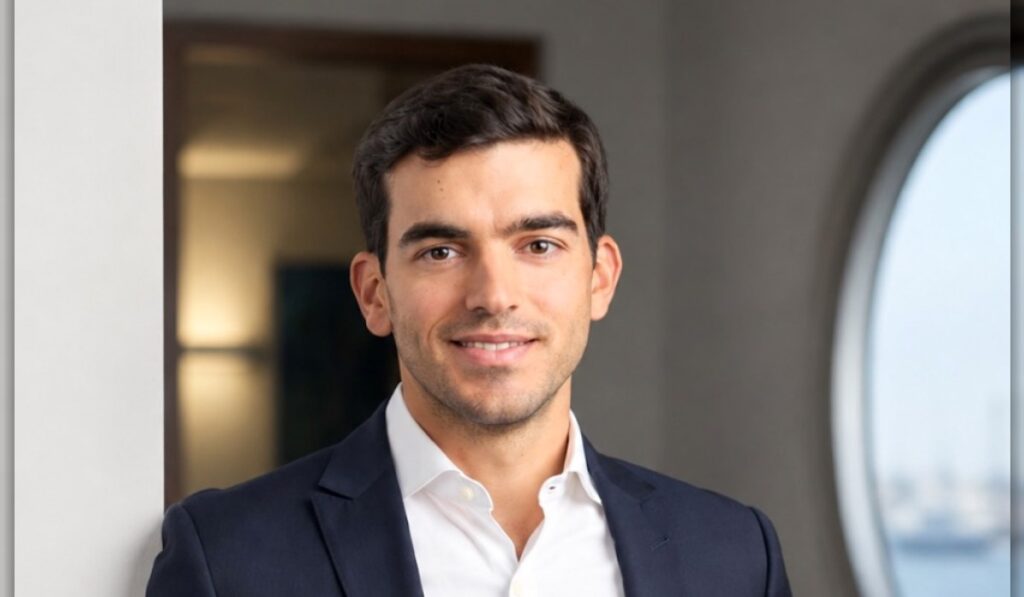
KeelX began as an internal tool for Lemissoler, a shipowner frustrated by the gap between data and action. “Plenty of vessel data and software, but still too much manual work between identifying a problem and doing something about it,” Philis recalls. The solution wasn’t another dashboard but a platform integrating vessel performance, operations, and emissions to enable faster decisions. What started as an in-house fix evolved into an independent company, now led by Philis, who also serves as Lemissoler’s deputy CEO.
Philis, who has spent years on both sides, as a shipowner and a technology provider, believes the narrative around shipping’s resistance to digitalisation is only half true. “For years, we have described shipping as traditional, slow to change and resistant to technology,” he says. “There is some truth in that. But having spent years on both sides, I think the truth sits somewhere in the middle.”
The issue, he argues, lies in the irreversibility of many maritime software decisions. Lengthy implementations, complex integrations, staff training, and data migrations often lock companies into systems long after their initial appeal fades. “There is plenty of legacy software in shipping that users complain about but continue using, not necessarily because the product is great, but because replacing it feels more difficult than living with its shortcomings,” Philis explains.
A.P. Møller-Maersk
Why shipping hesitates to say yes to tech: KeelX
KeelX’s approach flips this dynamic. Instead of tying customers to cumbersome, long-term commitments, the company advocates for smaller, quicker, and more reversible technology purchases. “The product should retain the customer, not the difficulty of leaving it,” Philis says. This philosophy underpins KeelX’s development strategy: start small, solve a tangible problem, demonstrate operational value, and earn the right to expand.
Unlike traditional software vendors that begin with technology and search for applications, KeelX works backward from operational problems. This ensures that every feature delivers concrete benefits, not just theoretical potential.
SaaS plus service: the maritime tech difference
Philis acknowledges that shipping’s relationship-driven culture sets it apart from other industries. “No matter how much AI enters day-to-day operations, I do not think maritime software will ever be pure SaaS in the way it can be in some other sectors,” he says. “In shipping, it is SaaS plus service.” The human touch, whether a phone call or a message, remains critical, and Philis sees this as a strength, not an inefficiency to eliminate.
As KeelX grows, its challenge is to scale without creating barriers between the company and its users. Philis’s broader prescription for maritime technology is simple: make buying easier, implementation faster, and failure less painful. “Shipowners still have a responsibility to remain open to change,” he says. “But if we as technology providers want shipping to adopt technology faster, we also have to make saying yes less risky.”
KeelX is not the first maritime tech company to emerge from a shipowner’s internal tools. ZeroNorth (Maersk Tankers), Coach Solutions (Clipper Bulk), and OrbitMI (Stena Bulk) followed a similar path: build for real operational problems first, then discover others face the same issues.


Sign up free to ask CAMAL AI for a summary, the key points or anything else about this story.
Related stories
CAMAL AI
 Financial Ports Newsletter
The maritime economy, every morning
Ports, shipping and freight markets in one short email. Free.
Financial Ports Newsletter
The maritime economy, every morning
Ports, shipping and freight markets in one short email. Free.



