

USPS slashes peak season delivery times to 2.5 days as volumes surge 40%
The U.S. Postal Service has hired 10,000 seasonal workers and installed 164 automated sorting machines to handle the.
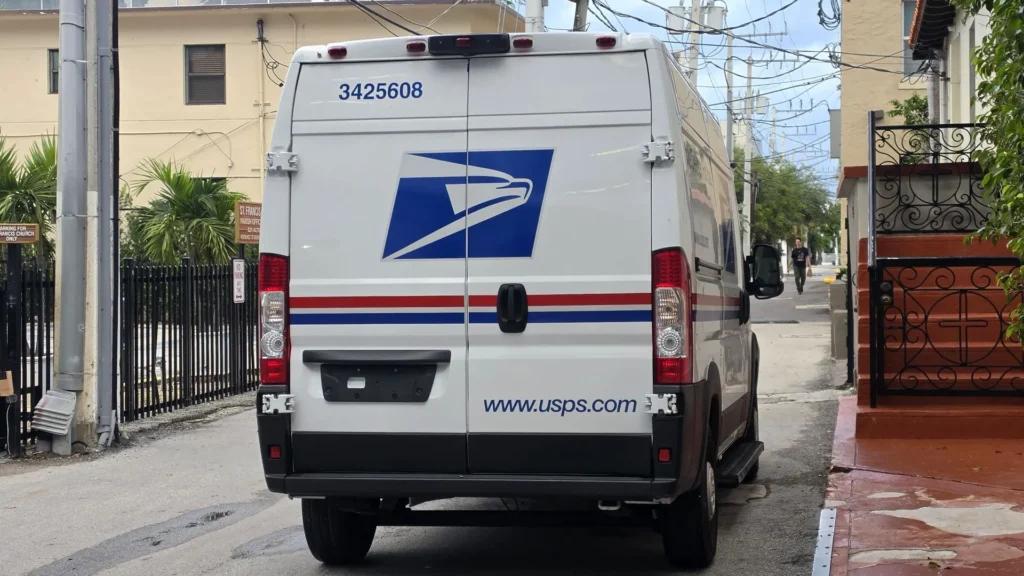
The U.S. Postal Service has declared itself ready for the holiday shipping rush, boasting a 2.5-day average delivery time for mail and packages, down from 2.8 days during the same period last year. With volumes set to jump 40% between October 1 and December 31, the carrier has slashed seasonal hiring to 10,000 workers, a fraction of the 40,000 it once relied on, and credits a $40 billion technology overhaul for its improved performance.
The USPS expects mail and package volumes to swell by 40% during the peak season, a period that historically tests the limits of its network. To meet this demand, the carrier has hired 10,000 seasonal workers, a significant reduction from the 14,000 brought on last year and the 40,000 hired just a few years ago. This downsizing reflects a more stable workforce, achieved through improved staffing, reduced supervisor vacancies, and lower overtime rates since 2020.
Postmaster General David Steiner struck a confident tone in a recent news release, stating,
How the USPS is handling the 40% volume spike
“We have been preparing all year for this peak season, and we have enough capacity to handle whatever comes our way.”
David Steiner·Postmaster General
The USPS attributes its readiness to a combination of new technology, logistics planning, and execution. Last year, between November 15 and January 9, the carrier achieved higher on-time delivery scores across nearly all service categories, with the strongest performance in last-mile delivery. This was partly due to the integration of privately transported parcels delivered directly to local post offices, bypassing upstream processing.
The USPS has invested heavily in modernising its middle-mile network, beginning a $40 billion overhaul in 2022. This year alone, the carrier installed 164 sophisticated, automated package sorting machines at facilities across the country, bringing the total number of high-speed sorters to 673. These machines can handle larger parcels and process more volume than their predecessors, significantly boosting efficiency.
In fiscal year 2026, which ended on September 30, the USPS opened 31 sorting and delivery centres (S&DCs) and 10 regional processing and distribution centres, working in tandem with 35 local processing facilities. Since 2022, the carrier has established 182 S&DCs, 19 regional distribution centres, and 4 standalone regional transfer hubs. These hubs were designed to eliminate duplication in a network that previously relied on more than 18,000 destination delivery units (DDUs), many of which were too small, ill-equipped, or poorly maintained.
The $40 billion tech transformation behind the efficiency gains
Each S&DC consolidates the work of approximately 10 DDUs and uses small sorter equipment capable of processing between 2,500 and 4,300 pieces per hour. This allows the centres to serve up to 200,000 customers daily, a scale that was previously unattainable with the old infrastructure. The USPS has also introduced a new tracking and reporting platform, which provides updates nearly four times faster than the previous system, often delivering scans within a minute. Customers can access real-time information about their packages through the USPS app or by signing up for notifications.
His leadership has been pivotal in developing partnerships for privately transported parcels, which are delivered directly to local post offices, further streamlining the delivery process.
The improvements in delivery performance and tracking visibility are expected to benefit both businesses and consumers during the holiday season.
The USPS’s ability to handle the 40% volume increase with fewer seasonal workers is a testament to the efficiency gains from its technology investments. The carrier’s focus on automation and network consolidation has not only reduced costs but also improved service reliability, a key factor in maintaining customer trust.
As the peak season approaches, the USPS is urging customers to plan ahead and take advantage of its tracking tools to monitor their shipments. The carrier has also emphasised the importance of using its app for real-time updates, which can help avoid potential delays and ensure that packages arrive on time.
Looking ahead, the USPS is expected to continue its modernisation efforts, with further investments in automation and infrastructure planned for the coming years. The success of this year’s peak season will serve as a critical test of the carrier’s ability to sustain its improved performance and meet the evolving demands of the e-commerce-driven shipping market.


Sign up free to ask CAMAL AI for a summary, the key points or anything else about this story.
Related stories
CAMAL AI
 Financial Ports Newsletter
The maritime economy, every morning
Ports, shipping and freight markets in one short email. Free.



