

80m Barrels of Iranian Oil Stranded: The Tankers Trapped by US Blockade
Over a dozen Iranian tankers idle off Sri Lanka as US forces redirect 84 vessels near Hormuz.
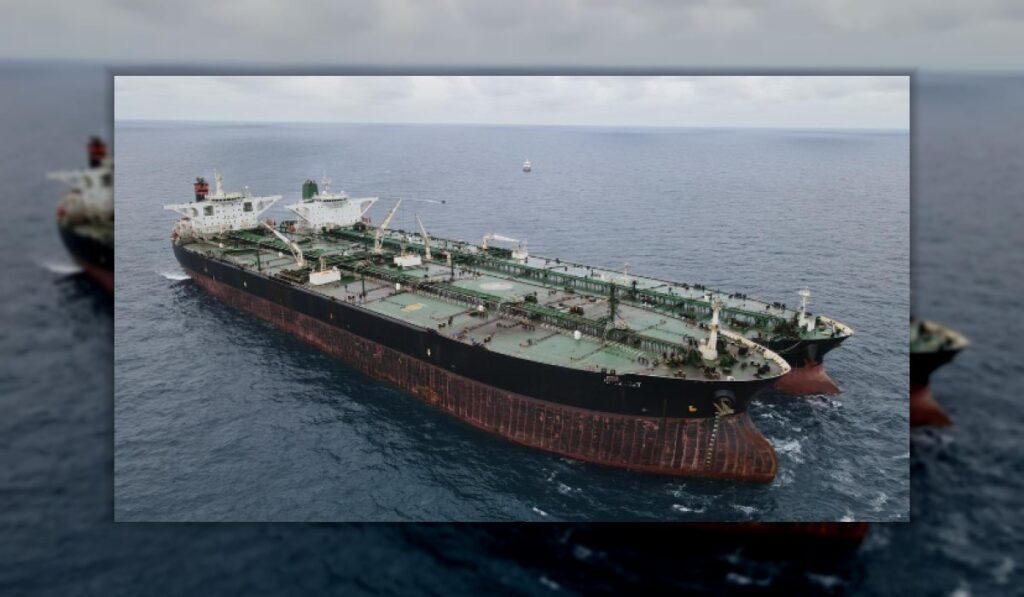
Eighty million barrels of Iranian crude now float in limbo, trapped by a US naval blockade that has left over a dozen tankers stranded off Sri Lanka and Malaysia, empty, unladen, and with nowhere to dock.
The standoff, now in its sixth month, has turned the Gulf of Oman into a maritime chessboard. As of September 1, US Central Command (CENTCOM) forces have redirected 84 commercial vessels, disabled three, and boarded two near the Strait of Hormuz, the world’s most critical oil chokepoint. The blockade, initially confined to Iranian ports, now looms as a global threat: the US has warned it may seize Iranian-flagged ships anywhere, a move that could ignite fresh clashes in international waters.
The Sri Lankan Anchorage: A Floating Prison for Iranian Tankers
Satellite imagery and vessel-tracking data reveal a grim spectacle: more than a dozen Iranian tankers huddled at the Galle Anchorage, just metres outside Sri Lankan territorial waters. The Financial Times, citing the NGO United Against Nuclear Iran (UANI), reports these ships are sanctioned by the US, UK, and Canada, effectively blacklisted from global trade.
Sri Lankan authorities, wary of violating UNCLOS, insist the tankers remain beyond their jurisdiction. Yet the masters of these vessels face an impossible choice: stay in international waters and risk US interception, or flee into Sri Lankan territory without permission, inviting legal chaos.
The stakes were laid bare on March 4, when the Iranian frigate IRINS Dena was torpedoed by the US submarine USS Charlotte 40 nautical miles south of Galle. The attack, which killed 87 sailors, followed Sri Lankan President Anura Dissanayake’s refusal to grant the ship refuge. The message was unmistakable: even neutral waters offer no sanctuary.
Draught readings from VesselFinder confirm the tankers off Sri Lanka and Malaysia are unladen, their cargoes discharged, mostly in China, before the blockade tightened. Yet with no port willing to refuel or resupply them, their crews are marooned. “It’s a slow-motion humanitarian crisis,” a senior shipping analyst told the Financial Times. “These men are running out of food, medicine, and patience.”
Malaysia’s Ship-to-Ship Transfer Zone: The Other Bottleneck
Farther east, another 48 tankers linked to Iranian crude trading idle in a designated ship-to-ship transfer zone off Johore, Malaysia. The area, just beyond Malaysia’s Exclusive Economic Zone, has long been a hub for shadowy oil transfers. But the current backlog is unprecedented: satellite data shows the anchorage has expanded into a “bigger box” than when last surveyed in June 2026, with tankers now stretching across a wider swath of the South China Sea.
The Financial Times, quoting UANI, notes that most of the oil held afloat, now down to 80 million barrels from 192 million in mid-April, is pre-sold and awaiting unloading in Chinese ports. Yet Beijing, caught between its energy needs and US pressure, has yet to signal a way forward. “China is walking a tightrope,” said a Beijing-based energy consultant. “They need the oil, but they can’t afford to be seen undermining the blockade.”
The US, meanwhile, has escalated its rhetoric. remove, CENTCOM announced it had “permanently disabled” three Iranian tankers in the Persian Gulf and Gulf of Oman after Iran’s Revolutionary Guard fired ballistic missiles at the aircraft carrier USS Abraham Lincoln and a guided-missile destroyer. No US personnel were injured, but the strike marked the first direct Iranian retaliation since the blockade began. Iran’s Parliament Speaker, Mohammad Bagher Ghalibaf, warned the next response would be “more intense and more painful”, declaring:
“The Americans must have understood that the era of proportionate responses has come to an end. Any aggression against Iran’s interests and security will receive a faster, more intense and more painful response.”
Mohammad Bagher Ghalibaf·Speaker of Iran’s Parliament
remove dismissed the conflict as “small potatoes,” but the economic fallout is anything but trivial. Kpler data shows Iranian oil exports have halved since April, starving Tehran of critical revenue. With no resolution in sight, the tankers off Sri Lanka and Malaysia may remain adrift for months, ghost ships in a geopolitical storm.
For the global oil market, the stakes are clear: every day these tankers remain stranded tightens supply, pushing prices higher. For the crews, it’s a test of endurance. And for the US and Iran, it’s a dangerous game of brinkmanship, one misstep away from open war.


Sign up free to ask CAMAL AI for a summary, the key points or anything else about this story.
Related stories
CAMAL AI
 Financial Ports Newsletter
The maritime economy, every morning
Ports, shipping and freight markets in one short email. Free.
Financial Ports Newsletter
The maritime economy, every morning
Ports, shipping and freight markets in one short email. Free.



