

US sinks two Iranian tankers in Hormuz escalation—what it means for oil
Washington adopts 'tanker-for-tanker' retaliation after three attacks on commercial vessels in 48 hours.
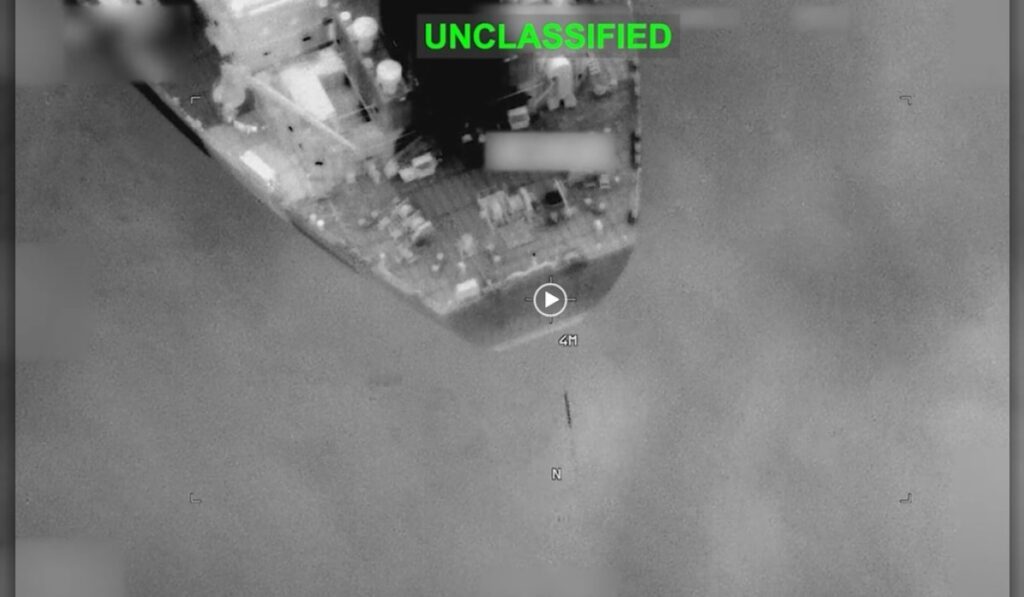
The Strait of Hormuz has become the epicenter of a dangerous new phase in maritime conflict, as the U.S. and Iran engage in direct strikes on each other’s tankers. The latest escalation began when the 320,780-dwt Senegal Prosperity, a Liberian-flagged vessel operated by South Korea’s Sinokor Maritime, was hit by three projectiles on the evening of August 31. The attack occurred minutes after another Saudi-owned VLCC, the Sidr, was also targeted.
The Senegal Prosperity suffered damage to its port side, engine room, and ballast tank, losing communications and drifting dead in the water with a list to port. Omani authorities evacuated the crew, leaving the fully laden ship anchored near the coast. While no pollution has been reported, the incident raises serious environmental concerns, as the vessel was carrying crude loaded in Saudi Arabia.
The near-simultaneous attacks followed a series of strikes on tankers using the southern Hormuz route. Earlier in the week, the Metro Venetian was hit on August 24, suffering an engine-room fire, while the Al Salam II was struck the next day. Another unidentified tanker was targeted near Khasab on August 29. These incidents demonstrate Iran’s ability to strike vessels even in areas Washington has attempted to secure.
Silver
U.S. retaliates with “tanker-for-tanker” strikes: strait of hormuz
The U.S. responded forcefully on September 1, with Central Command (CENTCOM) confirming a wave of strikes against Iranian Revolutionary Guard Corps (IRGC) infrastructure. Targets included air-defense sites, radars, ports, and minelaying capabilities. Most significantly, American forces disabled two National Iranian Tanker Company (NITC) vessels, marking a shift to a new “tanker-for-tanker” policy. U.S. officials framed the move as direct retaliation for attacks on commercial shipping.
Despite U.S. claims of clearing mines from the internationally recognized Traffic Separation Scheme in the strait, the Joint Maritime Information Center continues to warn of drifting or uncharted ordnance in other areas. INTERTANKO, the global tanker association, has acknowledged the clearance but cautioned that normalcy has not returned. Mines, missile attacks, and drone strikes remain persistent threats, compounded by Iranian interference and uncertainty over safe routing.
Shipping industry adapts to heightened risks
As the conflict intensifies, Gulf producers are adjusting their strategies. Saudi Arabia’s Bahri has reflagged 11 of its older VLCCs to Liberia, renaming them under a “Shine” theme—such as Sahba becoming Ruby Shine and Arsan becoming Silver Shine. Most of these vessels, built between 2009 and 2011, are now positioned around Fujairah and Khorfakkan, where shuttle operations transfer crude outside the strait.
The Baltic Exchange, which publishes key tanker and LPG benchmarks for the Middle East Gulf, is preparing contingency plans. In a recent consultation, 70% of respondents rejected two proposed alternative pricing methodologies, reflecting the challenges of assessing routes where risk premiums have surged. With no diplomatic resolution in sight, the world’s most critical oil chokepoint remains volatile, and the risk of further escalation looms large.


Sign up free to ask CAMAL AI for a summary, the key points or anything else about this story.
Related stories
CAMAL AI
 Financial Ports Newsletter
The maritime economy, every morning
Ports, shipping and freight markets in one short email. Free.
Financial Ports Newsletter
The maritime economy, every morning
Ports, shipping and freight markets in one short email. Free.



