

Iran Seizes Bulk Carrier Over Oil Discharge in Hormuz—What Happens Next?
Iranian authorities detained a sugar-laden vessel after images showed oil and industrial sludge dumped into the Strait.
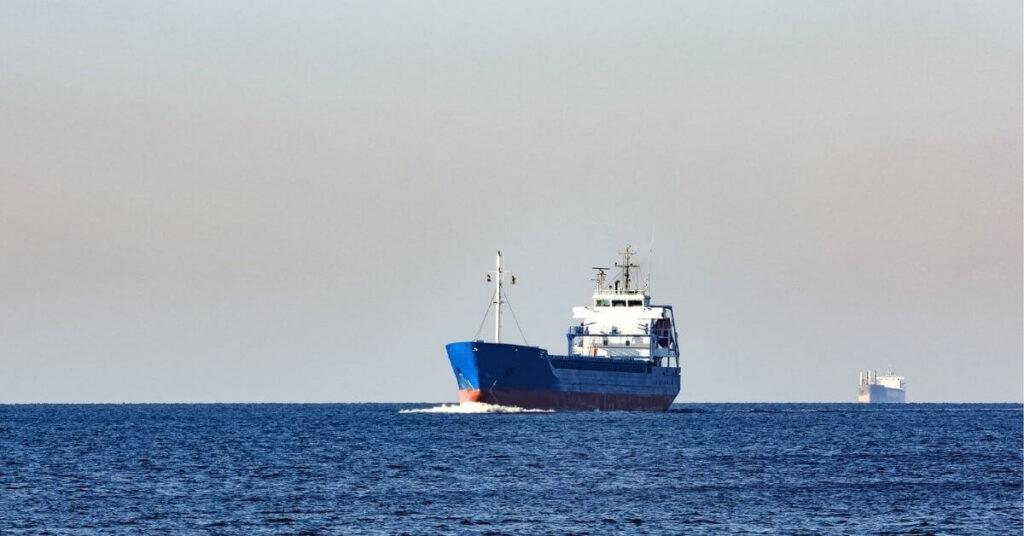
The vessel, which was transporting sugar, was detained following the publication of images showing the discharge, according to state media reports.
The waste, which formed several small slicks due to sea currents, was contained and removed, but the vessel remains under judicial proceedings in Iran.
How the Pollution Was Detected and Contained: strait of hormuz
The bulk carrier was intercepted after images circulated showing oil being discharged into the Strait of Hormuz. Makizadeh told the official IRNA news agency that the vessel had allegedly dumped a mixture of burnt oil, bilge water, and industrial sludge directly into the sea. The pollution spread into multiple slicks, but Iranian authorities claimed the clean-up operation was successful.
“Following the publication of images of the discharge of oil into the sea… expert and clean-up teams were dispatched to the site and seized the ship causing the pollution,” Makizadeh said. The vessel was subsequently handed over to the Iranian judiciary, though neither the ship’s flag nor the nationalities of its crew have been disclosed.
“Following the publication of images of the discharge of oil into the sea… expert and clean-up teams were dispatched to the site and seized the ship causing the pollution.”
Esmaeil Makizadeh·Deputy Head of Hormozgan’s Ports and Maritime Department
Iran has recently demanded compensation for oil spills in the region, including one near Qeshm Island, and has proposed imposing transit fees on vessels passing through the strait to fund environmental protection measures, a move strongly opposed by the United States.
Vessels transiting the waterway must navigate not only geopolitical tensions but also the threat of accidental or deliberate pollution, which can lead to costly detentions, legal proceedings, and reputational damage.
The Broader Implications for Global Shipping
The seizure comes amid heightened scrutiny over marine pollution in the region. In early August, an oil slick was detected off neighbouring Oman after a tanker ran aground near Al-Qibliyyah Island. An AFP investigation found the vessel had been stranded for weeks following explosions that damaged it.
Iran’s control over the Strait of Hormuz has intensified since the outbreak of the Middle East war in February. The country’s proposal to levy fees on passing vessels has drawn sharp criticism from Washington, which views the strait as an international waterway. The U.S. Navy, including the USS Abraham Lincoln, which has been deployed for over 250 days, maintains a significant presence in the region to counter Iranian influence.
The U.S. Navy’s Fifth Fleet, headquartered in Bahrain, is tasked with ensuring the free flow of commerce through the Strait of Hormuz. The deployment of the USS Abraham Lincoln, a Nimitz-class aircraft carrier, is part of a broader strategy to deter Iranian aggression and maintain maritime security. However, the carrier’s prolonged deployment, exceeding 250 days, has raised concerns about crew fatigue and operational readiness.
In a letter to acting Secretary of the acting Secretary of the Navy Hung Cao, U.S. Representative Mike Levin highlighted the deteriorating conditions aboard the USS Abraham Lincoln. “The reports coming from military families and loved ones about the conditions aboard the USS Lincoln are simply unacceptable,” Levin wrote. “Reports include concerns of moldy showers, broken toilets, lack of hot water, lack of access to fresh produce, and supply shortages.” The congressman also noted that sailors and Marines faced an “overwhelming workload,” contributing to “extreme fatigue and burnout.”
U.S. officials, dismissed reports of poor conditions as “completely misrepresented,” stating that the Navy would continue to rotate ships in and out of the region “as we have, and we’ll continue to.” However, the controversy underscores the challenges of maintaining a sustained naval presence in a high-stakes environment like the Strait of Hormuz.
The USS George Washington, another Nimitz-class carrier, is set to replace the USS Abraham Lincoln in the coming weeks. The rotation comes as the U.S. seeks to reinforce its commitment to maritime security in the Middle East, though the transition may do little to ease tensions with Iran, which has repeatedly accused Washington of provocation.
The seizure of the bulk carrier and the broader tensions in the Strait of Hormuz pose significant risks for global trade. The waterway is a critical conduit for energy supplies, with approximately 20% of the world’s seaborne oil passing through its narrow confines. Any disruption, whether due to environmental incidents, legal disputes, or geopolitical conflicts, can have ripple effects across global markets, driving up shipping costs and fuel prices.
For maritime operators, the incident serves as a stark reminder of the legal and operational risks of transiting the strait. Vessels must comply with Iranian regulations, including environmental standards, or face potential detentions. The lack of transparency around the seized bulk carrier’s flag and crew nationalities further complicates the situation, leaving shipping companies in the dark about potential liabilities.
Industry stakeholders are closely monitoring developments, particularly Iran’s proposal to impose transit fees. While Tehran frames the move as a means to fund environmental protection, critics argue it could set a dangerous precedent, allowing coastal states to unilaterally impose levies on international waterways. The U.S. has made clear its opposition to the plan, but the standoff shows no signs of resolution.
The detained bulk carrier’s fate now rests with the Iranian judiciary, but the incident underscores the growing risks for commercial shipping in one of the world’s most strategically sensitive waterways. With no details on the vessel’s flag or crew, the case remains shrouded in uncertainty, raising concerns among maritime operators about potential disruptions to trade routes.
For now, the Strait of Hormuz remains a powder keg of environmental, legal, and geopolitical tensions, with every oil spill or seizure threatening to ignite further conflict in an already volatile region. Shipping companies are advised to stay abreast of updates from the U.S. Central Command and the International Maritime Organization (IMO) for guidance on navigating the waterway safely.


Sign up free to ask CAMAL AI for a summary, the key points or anything else about this story.
Related stories
CAMAL AI
 Financial Ports Newsletter
The maritime economy, every morning
Ports, shipping and freight markets in one short email. Free.
Financial Ports Newsletter
The maritime economy, every morning
Ports, shipping and freight markets in one short email. Free.