

Chinese AI Eliminates Lethal Force Risk in Coastguard Simulations
New system reduces simulated weapons-use risk from 0.3% to zero in disputed waters, study reveals
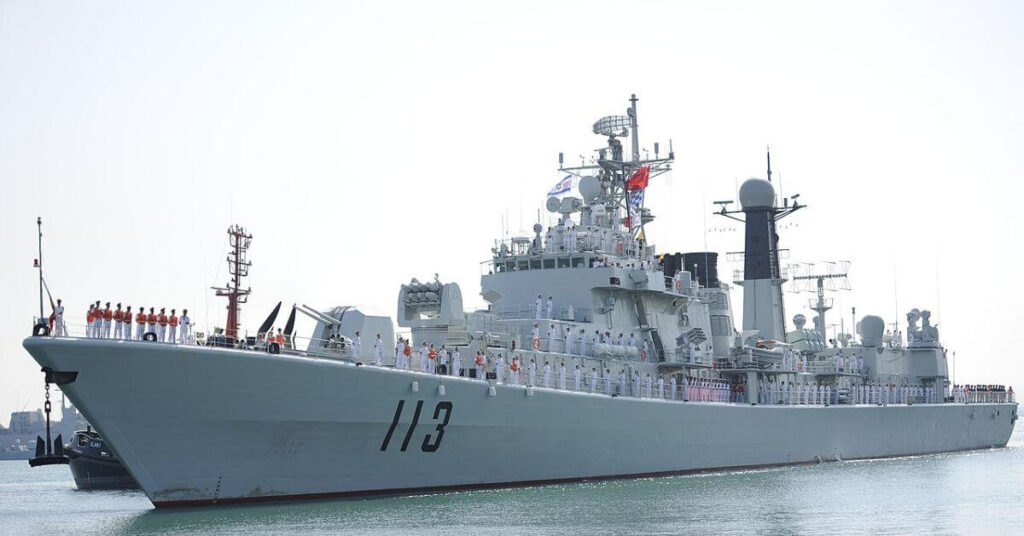
A new artificial intelligence system developed by Chinese researchers has eliminated the risk of lethal weapons use in simulated coastguard operations, reducing the probability from 0.3% to zero in disputed waters.
10 in the journal Command Control & Simulation & Simulation. The AI system was tested in computer simulations involving a Chinese coastguard vessel protecting fishing boats from foreign vessels carrying out surveillance and low-level harassment.
How the AI Outperforms Traditional Systems: Risk
The AI system demonstrated a significant improvement in threat assessment, correctly identifying vessel intentions 89.6% of the time, compared to 68.5% for the existing rule-based system.
In one simulation, the AI initially assessed a 72% chance that a nearby vessel was merely passing through. However, when three vessels formed a wedge-shaped formation and approached from different directions, the system recalculated the threat level to a 68% probability of coordinated probing.
The researchers noted that even a 0.3% risk of lethal weapons use could pose serious problems during tense encounters at sea. The AI system not only eliminated this risk but also reduced other rule violations, such as vessels getting too close to each other, from 1.2% to 0.8%.
Testing Against Deception and Future Applications
The AI system was also tested in scenarios involving potential deception. In one simulation, fishing boats appeared to move away while other vessels approached the coastguard ship at higher speeds from another direction. The AI identified this as a possible deception tactic and held its position instead of reacting to the boats moving away.
“The AI could help commanders use less force, such as water cannons instead of lethal weapons,” the researchers stated. They emphasised that the system is designed to assist, not replace, human commanders, providing real-time assessments to inform decision-making.
“Even such a small risk could become a serious problem during a tense encounter at sea.”
Sun Shengzhi·Professor at China Coast Guard Academy
The simulations were based on real-world situations in disputed waters, where vessels may act aggressively without triggering open conflict. Vessels were required to maintain a minimum distance of 0.5 nautical miles (about 0.9 km) from each other, following strict rules on weapons use.


Sign up free to ask CAMAL AI for a summary, the key points or anything else about this story.
Related stories
CAMAL AI
 Financial Ports Newsletter
The maritime economy, every morning
Ports, shipping and freight markets in one short email. Free.
Financial Ports Newsletter
The maritime economy, every morning
Ports, shipping and freight markets in one short email. Free.