

Iran Vows Retaliation as US Sinks Two Tankers in Strait of Hormuz Showdown
Tehran threatens "additional punitive measures" after US strikes two anchored tankers off Iran’s coast.
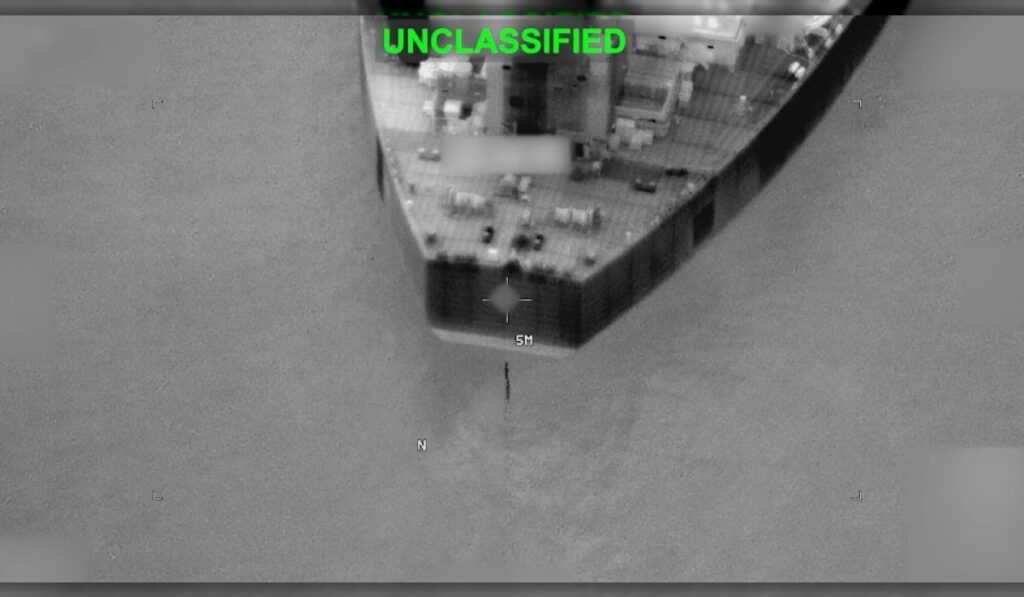
Tensions in the Strait of Hormuz have reached new heights as the U.S. and Iran exchange strikes on tankers and military positions, each side claiming control over the critical waterway. The latest escalation follows a series of retaliatory attacks that have left vessels damaged and crews evacuated.
The U.S. Central Command (CENTCOM) confirmed strikes on two tankers anchored near Iran’s northern coast, part of a broader strategy approved by former President Donald Trump. According to unnamed military sources, drones launched missiles into the vessels’ engine rooms, rendering them inoperable. The operation was framed as a response to Iran’s alleged attempts to disrupt commercial shipping in the region.
Iran, however, has denied U.S. claims of responsibility for the tanker strikes. Instead, the Islamic Revolutionary Guard Corps (IRGC) reported that two “non-compliant” oil tankers caught fire after hitting naval mines in the Strait of Hormuz.
CENTCOM dismissed these assertions, though independent reports confirmed damage to at least two vessels. The South Korean-owned Senegal Prosperity was left listing and dead in the water on Monday, forcing its crew to evacuate. Meanwhile, Saudi Arabia’s Sidr, a tanker operated by Bahri, was struck on August 31, resulting in the deaths of two Filipino crewmembers. The vessel remains anchored in the Strait, with Bahri maintaining communication with the ship.
Retaliatory Strikes and Military Posturing: strait of hormuz
In response to U.S. actions, Iran launched retaliatory attacks on American positions across the Gulf. CENTCOM reported that 25 ballistic missiles were fired toward Jordan, with fewer than half reaching the country’s airspace. The U.S. intercepted 10 missiles, while three landed without causing casualties. Iran, however, claimed the strikes resulted in mass casualties—a claim disputed by U.S. officials. Drones were also deployed against U.S. bases in Bahrain, Kuwait, and Erbil, Iraq, though most were intercepted.
Trump, in a social media post on Wednesday, declared the Strait of Hormuz under U.S. control, suggesting it be renamed the “Trump Strait.” He added, “I’m not trying to force Iran to the bargaining table. I couldn’t care less if they sign a worthless, to them, agreement. I like our position now much better, with almost total control of the Hormuz Strait, and their economy totally collapsing.”
Iran’s Maritime Pressure Campaign
The IRGC has intensified its efforts to assert dominance over the Strait, expanding its list of “non-compliant vessels” to 57, up from 46 last week. The Persian Gulf Strait Authority warned that ships violating Iranian transit protocols could face fines, detention, or confiscation. The IRGC also threatened “additional punitive measures” against maritime companies that deviate from established routes or collaborate with foreign powers.
Despite the escalating rhetoric, neither side has shown signs of backing down. The Gulf Cooperation Council’s Secretary General, Jasem Mohamed Albudaiwi, has yet to issue a formal statement, leaving regional stability hanging in the balance.


Sign up free to ask CAMAL AI for a summary, the key points or anything else about this story.
Related stories
CAMAL AI
 Financial Ports Newsletter
The maritime economy, every morning
Ports, shipping and freight markets in one short email. Free.
Financial Ports Newsletter
The maritime economy, every morning
Ports, shipping and freight markets in one short email. Free.