

UK Targets Iranian Oil Magnate and Firms with New Sanctions
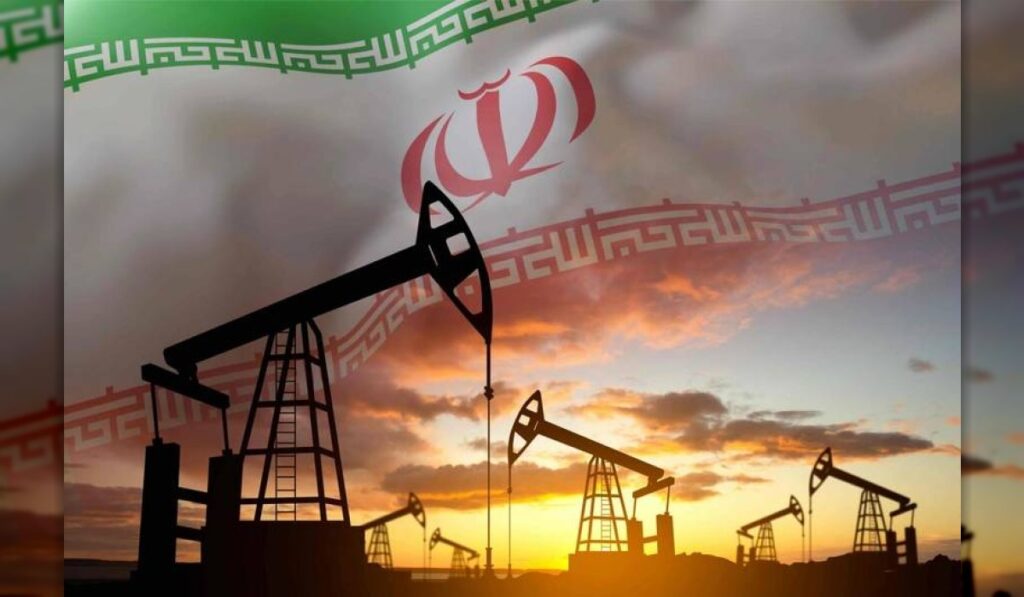
Britain has announced new sanctions against an Iranian oil figure and several affiliated firms, alleging their involvement in a network that supports Tehran’s overseas activities. The measures include an asset freeze and travel ban on Mohammad Hossein Shamkhani, alongside restrictions targeting four companies linked to him. The action, according to British authorities, responds to activities they say contribute to “destabilisation” in Ukraine and Israel.
Officials framed the designations as part of a continuing effort to constrain financial and logistical channels connected to Iran’s oil sector that may be used to project influence abroad. By placing Shamkhani and the four firms under sanctions, the United Kingdom aims to complicate access to international finance, shipping services, and other support that could enable the alleged network. No additional company details were immediately provided in the announcement described by British authorities.
Under UK sanctions rules, an asset freeze generally requires that any funds or economic resources owned, held, or controlled by designated persons be blocked by UK institutions, with UK persons prohibited from making assets available to them, directly or indirectly. A travel ban typically prevents listed individuals from entering or transiting through the United Kingdom. These measures apply across the UK’s jurisdiction and are enforced through regulatory oversight and compliance obligations for financial institutions, insurers, brokers, and operators in relevant sectors.
Sanctions tighten scrutiny on Iran-linked oil networks
The action highlights the growing compliance burden on entities tied to energy and maritime trade, which must verify counterparties and scrutinize cargoes, financing, and insurance arrangements to avoid dealings with designated parties. Shipping lines, charterers, and commodity traders operating in or through UK-linked channels are likely to intensify due diligence, including beneficial ownership checks and trade documentation reviews, to mitigate exposure under the new listings.
Market implications will depend on the scope of the designated network and its role in facilitating Iranian oil-related transactions. Even without broad sectoral measures, sanctions on individuals and associated companies can have a chilling effect, prompting banks, insurers, and service providers to reassess risk. Some counterparties may withdraw or require enhanced attestations and documentation, potentially slowing transaction timelines and raising costs where exposure is suspected.
Britain’s move adds to a pattern of targeted designations aimed at curbing activities officials deem harmful to regional and international stability. While the immediate effect is to isolate the named parties from UK-linked assets and travel, the broader signal is one of stepped-up scrutiny over flows connected to Iran’s oil trade and overseas networks. Companies with any UK nexus are advised to consult the consolidated sanctions list, update screening systems, and review contractual representations and warranties to ensure adherence to the new restrictions.


Sign up free to ask CAMAL AI for a summary, the key points or anything else about this story.
Related stories
CAMAL AI
 Financial Ports Newsletter
The maritime economy, every morning
Ports, shipping and freight markets in one short email. Free.
Financial Ports Newsletter
The maritime economy, every morning
Ports, shipping and freight markets in one short email. Free.



