

Hormuz disruption shows why early-warning data matters
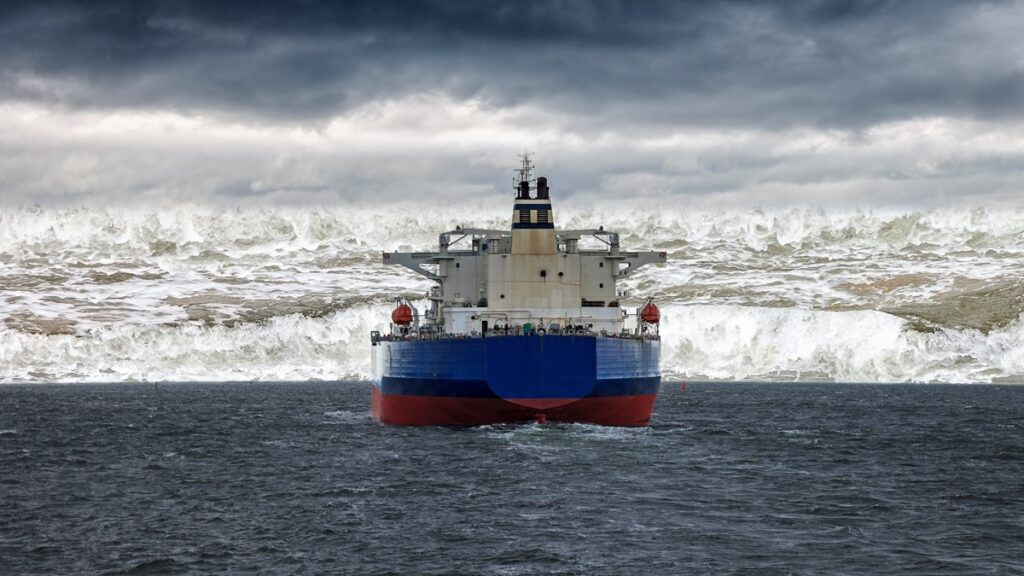
What began as a shipping disruption in one of the world’s most critical maritime chokepoints has become a wider development risk.
Since early March, UN Trade and Development (UNCTAD) has alerted that disruptions in the Strait of Hormuz are hitting far more than energy markets. The Strait carries around one quarter of global seaborne oil trade, as well as significant volumes of liquefied natural gas and fertilizers – goods that feed directly into transport costs, food production and inflation.
Ripple effects hit hard
The disruption deepened rapidly. Ship transits through the Strait fell by about 95%, while oil and gas prices, tanker freight rates, marine fuel costs and war-risk insurance premiums rose sharply. By 1 April, UNCTAD warned that the shock was feeding through trade, prices and finance, with developing economies facing weaker currencies, falling stock prices and rising external borrowing costs.
Natural Gas
The impact has also moved from gas to grain. UNCTAD’s analysis shows that energy and fertilizer disruptions are increasing risks to food production, supply and prices, especially for countries already exposed to high import bills, debt pressures and limited fiscal space.
New dashboard to track the impact
To help track these risks, UNCTAD is launching the Strait of Hormuz dashboard. The platform brings together regularly updated indicators on shipping, food, energy and finance, helping users monitor how shocks are evolving and compare them with past crises such as COVID-19 and the supply disruptions following the start of the war in Ukraine.
The dashboard is designed to show not only individual pressures, but how they can reinforce one another. Higher energy costs can raise fertilizer and food prices. Higher transport costs can push up import bills. Tighter financial conditions can reduce countries’ ability to respond.
UNCTAD’s latest Global Trade Update shows why this matters now: global trade entered 2026 with momentum, but rising fragility – including geopolitical uncertainty, inflationary pressures and higher trade costs – is weighing on developing economies’ prospects for investment, demand and development.


Sign up free to ask CAMAL AI for a summary, the key points or anything else about this story.
Related stories
CAMAL AI
 Financial Ports Newsletter
The maritime economy, every morning
Ports, shipping and freight markets in one short email. Free.
Financial Ports Newsletter
The maritime economy, every morning
Ports, shipping and freight markets in one short email. Free.