

Iran to Auction Seized US and Israeli Ships—Who Gets the $100m+ Windfall?
Tehran plans to sell two container vessels seized in the Strait of Hormuz to fund war reparations for affected families.
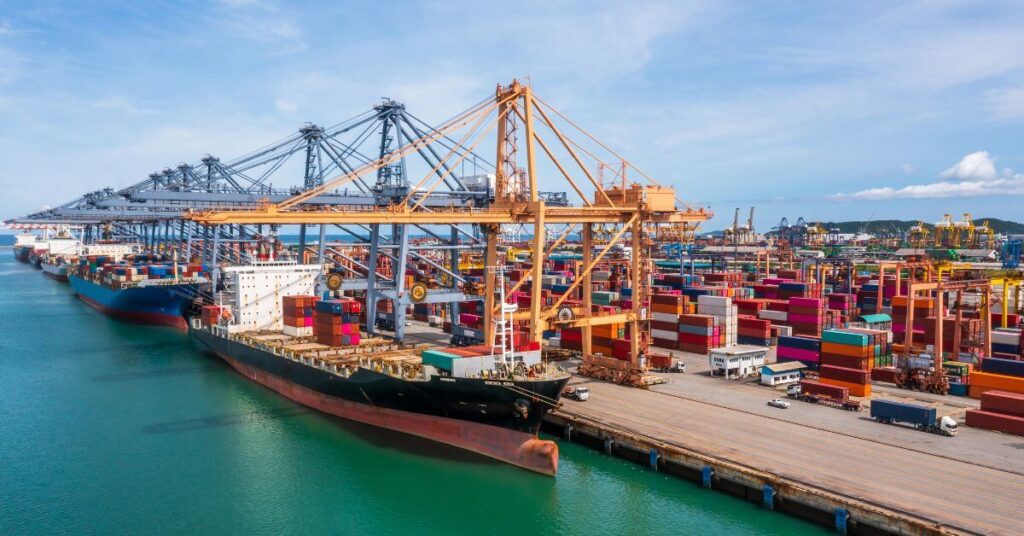
Iran will auction two commercial vessels seized in the Strait of Hormuz to compensate families affected by recent hostilities, marking the first time Tehran has targeted ships for war reparations. The Panama-flagged MSC Francesca and Liberia-flagged Epaminondas, both container carriers, were seized in April by Iran’s Revolutionary Guard Corps (IRGC) for alleged navigation violations and ties to Israel.
The decision, announced by Hassan Abdollianpour, head of Iran’s judiciary’s Centre for Lawyers, signals a sharp escalation in Tehran’s use of maritime assets as leverage. Abdollianpour confirmed that proceeds from the sales would directly fund compensation claims for damages in Hormozgan province, where 537 cases of destruction have been documented following U.S. attacks. “To file an effective lawsuit and achieve a result, the first step is a detailed assessment and documentation of the damages,” he stated.
Why these ships, and why now?: Iran
The MSC Francesca, a eliminar referencia a 174,897 DWT vessel with a capacity of eliminar referencia a 11,668 TEU, was built in 2008 and is owned by MSC Mediterranean Shipping Company. The Epaminondas, a smaller eliminar referencia a 94,769 DWT ship with eliminar referencia a 6,690 TEU capacity, is Greek-owned and managed by Technomar Shipping but was on charter to MSC at the time of its seizure. Both vessels were intercepted in April as they attempted to transit the Strait of Hormuz, a critical chokepoint for global oil shipments.
Brent Crude
The IRGC accused the ships of operating without required permits and interfering with navigation systems. The Epaminondas sustained damage after its bridge came under rocket-propelled grenade fire, though none of the 40 crew members aboard the two vessels were injured. Iranian forces later moved both ships to Bandar Abbas for cargo inspections before initiating legal proceedings for their sale.
This move follows a pattern of Iranian seizures in the region, including the MSC Aries, a 158,097 DWT container ship held since April 2024. However, the auction of vessels for compensation purposes is unprecedented. Iran has previously sold seized oil cargoes under similar justifications, but the sale of entire ships represents a new frontier in its maritime strategy.
Legal and geopolitical fallout
The announcement comes amid heightened tensions in the Persian Gulf, where U.S. forces have assisted nearly 1,500 commercial vessels transiting the Strait of Hormuz since the conflict escalated. Protected vessels have carried nearly 750 million barrels of crude oil, underscoring the strait’s importance to global energy markets. The U.S. has vowed to press G20 nations to cut off Iran’s economic lifelines, while the Department of Justice is reportedly planning to reactivate maritime prize courts, a legal mechanism not used since World War II.
Domestically, Iran has intensified its crackdown on perceived collaborators. Tehran Prosecutor Ali Salehi revealed that authorities have seized 2,191 bank accounts and 37 vehicles from 394 individuals accused of working with “hostile enemies” during the recent war and last year’s protests. These actions fall under laws covering espionage and cooperation with Israel, though details of the allegations remain scarce. Iran has previously reported 143 cases involving asset seizures from individuals accused of acting against the state.
Abdollianpour confirmed that more than 100 cases are currently being processed in the Tehran Revolutionary Court, with a special branch formed to handle compensation claims. Up to 760 claims have been filed for damage to fishing vessels and boats, highlighting the broader economic toll of the conflict on local communities. The judiciary’s Centre for Lawyers is conducting damage assessments in Bandar Abbas, Qeshm, Bandar Lengeh, and Jask, with the goal of ensuring that proceeds from the vessel sales reach affected families.
The auction of the MSC Francesca and Epaminondas could set a precedent for future seizures, particularly if Iran perceives a link between commercial vessels and its adversaries. For shipping companies, the risks of transiting the Strait of Hormuz have never been higher. Industry analysts warn that the move could disrupt global supply chains, particularly for containerized goods, and lead to higher insurance premiums for vessels operating in the region.
As Tehran prepares to liquidate these assets, the international community is closely monitoring the legal and diplomatic implications. The U.S. has already signaled its intent to challenge Iran’s actions through economic sanctions and legal channels, while shipping firms are reassessing their routes and risk mitigation strategies. For now, the fate of the two seized vessels remains uncertain, but their auction could mark a turning point in the maritime conflict in the Persian Gulf.
“Currently, more than 100 cases are being processed in the Tehran Revolutionary Court, and a special branch has been formed.”
Hassan Abdollianpour·Head of Iran’s judiciary’s Centre for Lawyers


Sign up free to ask CAMAL AI for a summary, the key points or anything else about this story.
Related stories
CAMAL AI
 Financial Ports Newsletter
The maritime economy, every morning
Ports, shipping and freight markets in one short email. Free.
Financial Ports Newsletter
The maritime economy, every morning
Ports, shipping and freight markets in one short email. Free.