

India bets $1bn to break China’s grip on global container boxes
New Delhi approves 13-year scheme to lift annual capacity from 70,000 teu to 750,000 teu and erode Beijing’s 95% market.
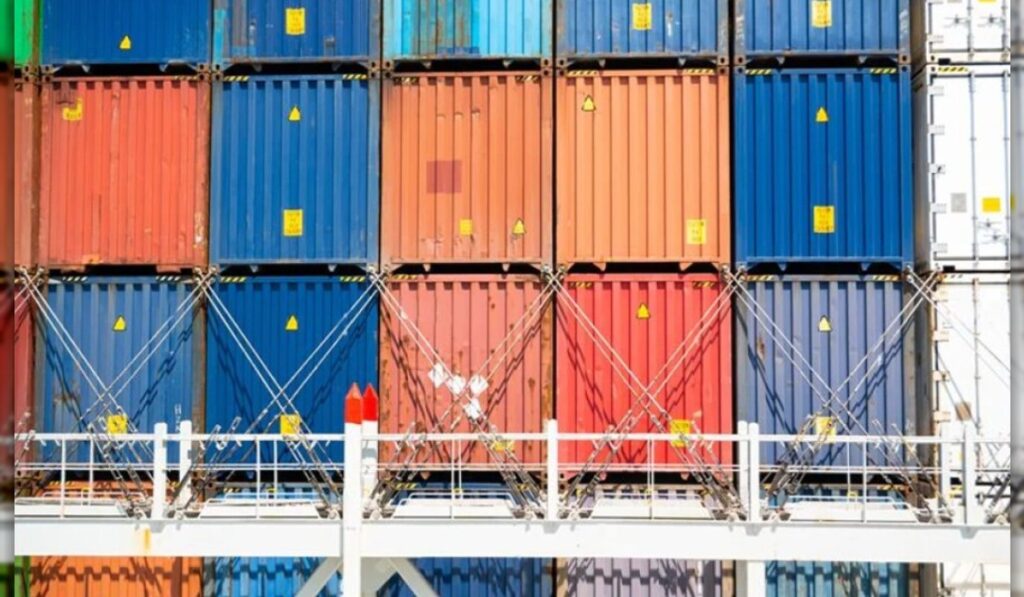
India has approved a $1.05 billion (INR100bn) initiative to transform its shipping container manufacturing sector, aiming to reduce China’s overwhelming control of the global market. The cabinet greenlit the Container Manufacturing Promotion Scheme, a 13-year program designed to boost India’s annual production capacity from 70,000 twenty-foot equivalent units (teu) to 750,000 teu.
The scheme, which will run from the 2027-28 financial year through 2039-40, allocates three years for building new facilities before a decade of production support begins. Its approval formalizes a proposal first introduced in the national budget in February.
Breaking China’s near-monopoly: container manufacturing
China currently produces over 95% of the world’s dry freight containers and dominates the refrigerated container market. India’s strategy combines financial incentives to challenge this dominance, including INR88.91bn ($940 million) in direct assistance for containers meeting international standards and INR8.59bn ($91 million) to subsidize loans for new factories and expansions.
Manufacturers will receive a 3% annual interest subsidy on eligible loans, while those establishing operations at major Indian ports will benefit from preferential land-leasing terms. Additional funding will support testing and certification infrastructure, addressing a critical gap that has limited India’s ability to compete globally.
Strict targets and broader maritime goals
The program sets clear benchmarks for participation. New factories must achieve a minimum annual capacity of 100,000 teu, while existing manufacturers must expand by at least 25,000 teu to qualify for financing. Domestic content requirements will increase from 70% to 90% over the scheme’s duration, ensuring deeper integration of local supply chains.
The initiative aligns with India’s broader maritime ambitions, including the planned launch of Bharat Container Shipping Line, a state-backed carrier being developed by Shipping Corporation of India, Container Corporation of India (CONCOR), and other government entities. Together, these projects aim to reduce India’s dependence on foreign-built containers and foreign-flagged vessels.
The government expects the first new factories to begin construction in 2025, with production scaling up to meet the 2027-28 financial year deadline.


Sign up free to ask CAMAL AI for a summary, the key points or anything else about this story.
Related stories
CAMAL AI
 Financial Ports Newsletter
The maritime economy, every morning
Ports, shipping and freight markets in one short email. Free.



