

India bets $1.2bn on containers to break China’s 95% global grip
New Delhi approves ₹10,000 crore scheme to lift annual domestic output from 70,000 to 750,000 TEU by 2040.
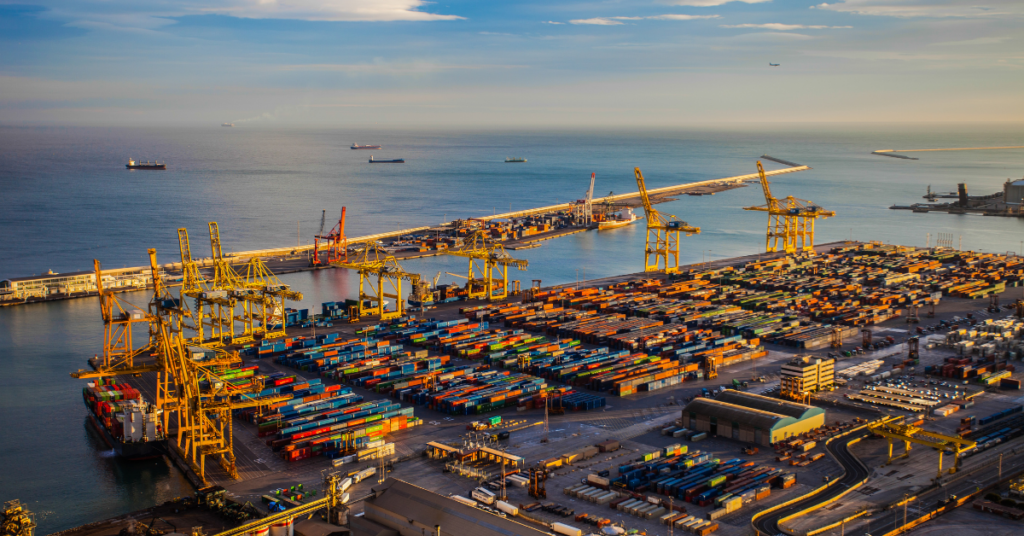
The CMPS, previously known as the Container Manufacturing Assistance Scheme (CMAS), is designed to establish new manufacturing facilities, expand existing units, and develop critical testing infrastructure, including dynamic longitudinal impact testing.
The scheme’s financial architecture is split into three key components. The largest, Operational Expenditure Assistance (OEA), allocates ₹8,891 crore to support containers manufactured to global standards. Interest Subvention Assistance, with an outlay of ₹859 crore, will cover 3% per annum on term loans for capital expenditure on greenfield and brownfield projects. An additional ₹150 crore is earmarked for testing and certification infrastructure, ensuring compliance with international norms such as the International Convention for Safe Containers (CSC) and ISO standards.
The economic ripple effects are substantial. The scheme is expected to generate 3,000 direct jobs and over 50,000 indirect jobs, spanning container manufacturing and allied industries like specialised steel, wooden frames, corner castings, and paints.
A.P. Møller-Maersk
From pilot to scale: India’s container manufacturing milestones: india container manufacturing
India’s push to localise container production has already yielded tangible results. In a landmark achievement, the country rolled out its first domestically manufactured export-import shipping container for A.P. Moller-Maersk, the Danish shipping giant. The container, which adheres to ISO and CSC standards, is fit for global shipping networks, marking a critical step toward self-reliance in maritime logistics.
Maersk’s confidence in India’s manufacturing capabilities was further underscored by an order for 1,000 Made-in-India shipping containers from DCM Shriram Group.
The scheme is part of a broader ₹69,725 crore package approved by the government to revitalise India’s shipbuilding and maritime sectors. Within this package, the Shipbuilding Financial Scheme has been allocated ₹24,736 crore, reflecting a holistic approach to strengthening the country’s maritime infrastructure.
Complementary projects, such as the International Container Transhipment Port at Galathea Bay, the Vadhavan Port, the Tuna Tekra Container Terminal, and the Outer Harbour Container Terminal at V.O. Chidambaranar Port, are expected to further bolster India’s position as a key player in global trade.
Union Minister Sarbananda Sonowal, speaking during the Union Budget 2026-27, emphasised the strategic importance of the CMPS.
“The CMPS scheme is a strong step towards reducing import dependence, building maritime self-reliance, reducing import dependence, and strengthening India’s logistics supply chain.”
Sarbananda Sonowal·Union Minister
“India’s existing container manufacturing capacity stood at around 70,000 twenty-foot equivalent units (TEUs) annually, with the government aiming to increase it to 0.75 million TEUs under the Container Manufacturing Promotion Scheme (CMPS).".
“One country accounting for nearly 95% of production.".
This concentration of production has long been a point of vulnerability for nations dependent on global supply chains, particularly during periods of geopolitical tension or logistical disruptions. By diversifying container manufacturing, India aims to insulate itself from such risks while positioning itself as a reliable alternative to the dominant producer.
What’s next for India’s container manufacturing sector
The CMPS is structured to unfold over 13 years, with the government providing sustained financial support to manufacturers. The Interest Subvention Assistance will lower the cost of capital for new and expanding facilities, while the Operational Expenditure Assistance will offset production costs for containers meeting global standards. This dual approach is designed to incentivise both investment and compliance with international benchmarks.
For ancillary industries, the scheme offers a significant opportunity. The production of specialised steel, wooden frames, and other components is expected to see a surge in demand, creating jobs and fostering innovation in materials science. The government’s focus on domestic production of container-grade steel is particularly noteworthy, as it could reduce India’s reliance on imports for a critical input while enhancing the competitiveness of local manufacturers.
The broader maritime infrastructure projects mentioned in the scheme, such as those at Galathea Bay, Vadhavan Port, and V.O. Chidambaranar Port, are expected to create synergies with the container manufacturing sector. Improved port infrastructure will facilitate the movement of containers, reducing turnaround times and enhancing the efficiency of India’s logistics network. This, in turn, could attract further investment from global shipping lines and logistics providers, creating a virtuous cycle of growth.
For global shipping companies, India’s push to localise container production presents both opportunities and challenges. On one hand, a diversified supply base could reduce the risk of shortages and price volatility. On the other, the shift away from the dominant producer could lead to adjustments in procurement strategies and supply chain configurations. Companies like Maersk, which have already placed orders for India-made containers, are likely to be early beneficiaries of this transition.
The scheme’s success will hinge on several factors, including the pace of infrastructure development, the availability of skilled labour, and the ability of manufacturers to meet global quality standards. The government’s commitment to providing financial support over a 13-year period suggests a long-term vision, but the execution will require close coordination between public and private stakeholders. If successful, the CMPS could serve as a blueprint for other countries seeking to reduce their dependence on concentrated supply chains and build resilience in critical sectors.
As India moves forward with the CMPS, the global shipping industry will be watching closely. The scheme’s ambition to capture a 15-20% share of global container manufacturing is a bold one, but with the right mix of policy support, investment, and innovation, it could reshape the dynamics of the container market. For now, the focus remains on scaling up production, meeting international standards, and delivering on the promise of a more self-reliant maritime sector.


Sign up free to ask CAMAL AI for a summary, the key points or anything else about this story.
Related stories
CAMAL AI
 Financial Ports Newsletter
The maritime economy, every morning
Ports, shipping and freight markets in one short email. Free.



