

Boluda buys Samskip: Europe’s new shortsea giant takes shape
The €1bn-plus deal creates a 32-vessel, 28-country network from northern Europe to West Africa.
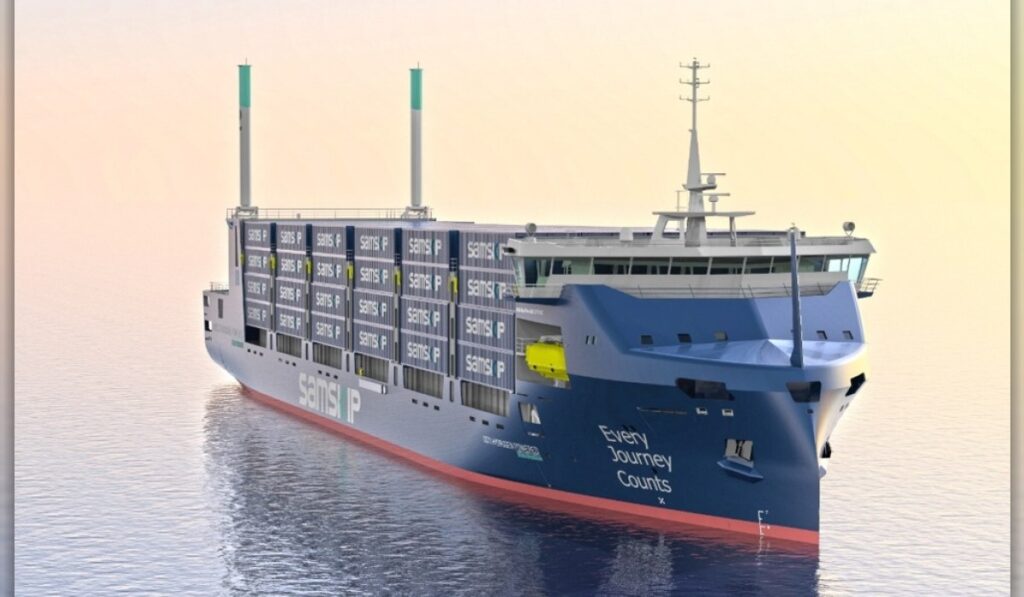
When completed on 1 January 2027, the transaction will combine Boluda’s container-shipping network with Samskip’s northern European operations, creating an entity with more than 750,000 teu of annual throughput, 21 maritime terminals, five rail terminals and a pool of around 35,000 containers. The enlarged group will also command a fleet of over 500 company-owned trucks for last-mile logistics.
Rotterdam will become a pivotal hub for the enlarged group, leveraging Boluda’s existing towage and shipping operations in the port. Rotterdam gateway is already a key node for Samskip’s intermodal services, and the acquisition will allow Boluda to deepen its footprint in northern Europe without starting from scratch.
What the deal means for customers, competitors and the market: Boluda
“We have a clear vision: to lead European short sea shipping and make our network a competitive advantage for the businesses that place their trust in us,” said Ignacio Boluda Ceballos, executive chairman of Boluda Shipping. “Bringing Samskip’s network and expertise together with our maritime and logistics capabilities gives us the scale and opportunities to take that ambition further. We see significant potential to strengthen connections across Europe and with West Africa, while continuing to focus on efficiency, reliability and service for our customers.”
Competitors will be watching closely. The deal follows Samskip’s divestment of its UK and Ireland freight operations to Luxembourg-based CLdN earlier this year, a move that allowed the company to sharpen its focus on core northern European trades. For Boluda, the acquisition marks the latest step in an aggressive expansion strategy that has seen the group snap up towage assets in Australia, Papua New Guinea, France, Ukraine and Singapore over the past two years.
Last year alone, Boluda spent $640m to acquire Boskalis’ towage operations in the Asia-Pacific region, and earlier this month its terminals division secured a 16-year multipurpose terminal concession in Barcelona.
The transaction is subject to regulatory approvals and customary closing conditions, but both companies have signalled confidence that the deal will proceed as planned. Financial terms have not been disclosed, though industry analysts estimate the enterprise value of Samskip at between €1bn and €1.2bn, given its asset base and market position.
Boluda’s ambitions extend beyond shortsea shipping. The group, which celebrates its 200th anniversary this year, is the world’s largest marine towage operator, with a fleet of 850 tugs serving more than 230 ports globally. Its terminals division has been equally active, securing concessions in Barcelona and other key hubs to diversify revenue streams and reduce exposure to cyclical shipping markets.
For Samskip, the deal offers a path to accelerated growth under the umbrella of a larger, financially robust partner. The company will retain its brand and operational autonomy, with Ólafsson continuing to lead the business. This continuity is expected to reassure customers and employees alike, minimising disruption during the integration phase.
The enlarged group will face challenges, however. Regulatory scrutiny is likely to focus on potential market dominance in certain trades, particularly in the North Sea and Baltic regions where Samskip is a major player. Integration risks also loom large, given the complexity of merging two distinct corporate cultures, IT systems and operational protocols. Yet, if executed well, the deal could redefine the competitive landscape of European shortsea shipping, setting a new benchmark for scale, efficiency and customer service.
Looking ahead, industry observers will be watching for further consolidation moves in the sector. With deep-sea carriers increasingly encroaching on shortsea territory and shippers demanding ever-greater efficiency, the pressure to scale up is intensifying. Boluda’s acquisition of Samskip may well be the first domino to fall in a broader wave of mergers and acquisitions that reshapes the European maritime logistics industry in the years to come.


Sign up free to ask CAMAL AI for a summary, the key points or anything else about this story.
Related stories
CAMAL AI
 Financial Ports Newsletter
The maritime economy, every morning
Ports, shipping and freight markets in one short email. Free.



