

50-year logistics gamble: Huelva bets big on 60-hectare hub
Port of Huelva awards 147,000 sq m concession to ZAL Huelva for logistics zone at Punta del Sebo
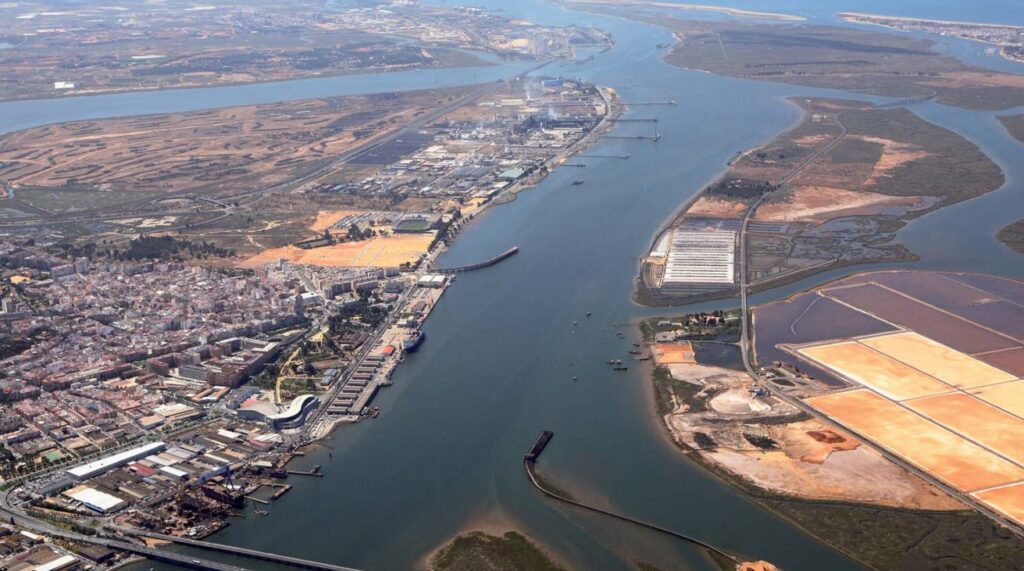
The Port of Huelva has sealed a half-century logistics deal, awarding ZAL Huelva a 50-year concession to develop a 147,000 sq m logistics zone at Punta del Sebo. The move marks a strategic shift for the Spanish port, which aims to reduce its reliance on liquid and dry bulk trades by expanding into logistics, distribution, and agri-food activities.
The concession, awarded following a public tender first launched in 2022, grants ZAL Huelva the rights to construct and operate a logistics hub within the port’s service area. The site, positioned between Huelva’s industrial complex and the city, will benefit from direct road and rail access, making it a critical node for regional and national supply chains.
The project is the first phase of a broader vision to develop a 60-hectare logistics zone at Punta del Sebo. Once fully realised, the zone is expected to accommodate a mix of logistics, transport, distribution, and industrial activities, with a particular focus on agri-food sectors. The port’s decision to diversify comes as it seeks to offset declines in container traffic, which fell by 29.4% to 77,723 teu in the first eight months of 2026.
Natural Gas
What the 50-year concession means for Huelva’s logistics ambitions
Despite the drop in container volumes, Huelva’s overall cargo throughput rose by 2.2% year on year, reaching 20.1 million tonnes in the same period. The port’s ability to maintain growth in bulk trades while expanding into logistics underscores its resilience in a competitive market.
In a separate but related development, the port’s board also approved tariffs for a newly completed cold-energy distribution network at Muelle Sur. The system, which leverages residual cold from Enagás’ LNG regasification plant, will supply the Friportsur-led cold-storage development and other potential users. This initiative aligns with Huelva’s broader strategy to enhance its cold-chain capabilities and attract temperature-sensitive cargoes.
The logistics zone at Punta del Sebo is expected to complement these efforts by providing additional storage and distribution capacity. The port’s long-term plans include further expansions, with the ultimate goal of creating a fully integrated logistics hub that supports both traditional and emerging industries.
Cold-energy network and future expansion plans
For ZAL Huelva, the concession represents a significant opportunity to establish itself as a key player in Spain’s logistics sector. The company will be responsible for developing the site, attracting tenants, and ensuring the zone operates efficiently over the next five decades. The port, meanwhile, stands to benefit from increased throughput, job creation, and enhanced connectivity to inland markets.
Huelva’s decision to invest in logistics reflects a broader trend among Spanish ports, which are increasingly looking to diversify their revenue streams beyond traditional bulk and container trades. The port’s strategic location on the Atlantic coast, combined with its existing infrastructure, makes it an attractive hub for companies seeking to distribute goods across Europe and beyond.
The 50-year concession also provides long-term stability for investors, reducing the risks associated with shorter-term projects. This could encourage further private-sector investment in Huelva’s port and logistics infrastructure, potentially accelerating the development of the full 60-hectare zone.
For local businesses and industries, the new logistics zone could lower transportation costs and improve access to global markets. The agri-food sector, in particular, stands to benefit from enhanced cold-chain capabilities and streamlined distribution networks. The port’s focus on sustainability, exemplified by its cold-energy network, also aligns with growing demand for greener supply chain solutions.
As Huelva continues to expand its logistics offerings, it will face competition from other major Spanish ports, such as Algeciras, Valencia, and Barcelona. However, its unique position as a gateway to the Atlantic and its growing infrastructure could give it a competitive edge in attracting new business.
The next steps for the project include finalising development plans, securing additional funding, and attracting tenants to the site. If successful, the logistics zone at Punta del Sebo could transform Huelva into a major logistics hub, positioning it as a key player in Spain’s port and supply chain sectors for decades to come.


Sign up free to ask CAMAL AI for a summary, the key points or anything else about this story.
Related stories
CAMAL AI
 Financial Ports Newsletter
The maritime economy, every morning
Ports, shipping and freight markets in one short email. Free.
Financial Ports Newsletter
The maritime economy, every morning
Ports, shipping and freight markets in one short email. Free.



