

Houthi Missile Slams Saudi VLCC as Red Sea Exports Plunge by a Third
The 320,926 dwt Amzan was hit 63 nautical miles off Yanbu, cutting Saudi Arabia’s northern Red Sea crude exports by at.
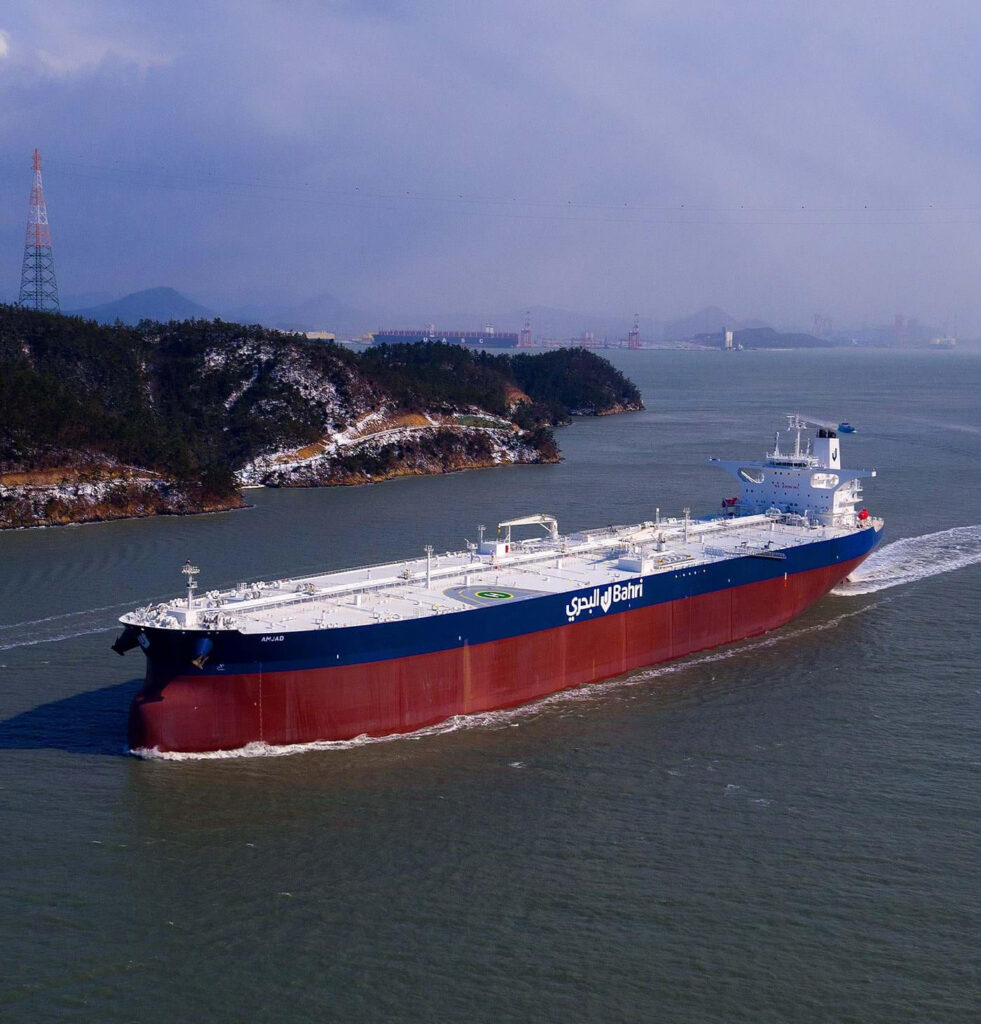
A Saudi-flagged oil tanker came under attack off the coast of Yanbu in the northern Red Sea on August 24, after a ballistic missile struck the vessel, according to claims by Houthi rebels. The Amzan, a very large crude carrier with a capacity of 320,926 deadweight tons, reported a fire on its main deck following the incident, though no crew injuries were reported. The ship was located approximately 63 nautical miles west of the Yanbu oil terminal when the strike occurred.
Egyptian naval forces responded to the tanker’s distress calls, as confirmed by maritime security firm Ambrey. The Houthis, who have been enforcing a naval blockade in the region, took responsibility for the attack, framing it as part of a broader offensive. In the same wave of strikes, the group claimed to have destroyed 10 Saudi military trucks transporting weapons, using a combination of missiles and drones.
Impact on Saudi Oil Exports: Red Sea
The attack underscores the growing vulnerability of Saudi Arabia’s crude shipments through the Red Sea. Before the Houthi blockade, the kingdom was exporting around four million barrels per day from Yanbu. However, since the rebels expanded their campaign to the northern Red Sea in August, exports from the terminal have dropped by at least a third, according to Lloyd’s List intelligence.
To mitigate disruptions, Saudi Arabia has reportedly established a shuttle service to transport crude to Egypt, where pipelines carry it to the Mediterranean. Yet, this alternative route has only managed to move about one million barrels per day. Larger tankers heading north to the Suez Canal must offload part of their cargo to meet transit requirements, driving up shipping costs and causing delays.
Broader Strategic Pressure
The Houthis’ escalating attacks appear aimed at forcing Saudi Arabia back to negotiations over Yemen’s prolonged civil war. Analysts suggest the group is leveraging maritime disruptions to extract financial concessions from Riyadh. The Amzan incident, while not the first, signals the rebels’ expanding reach and their ability to target key energy infrastructure.
With insurance premiums rising and charter rates climbing, the Red Sea’s status as a critical oil transit route is increasingly in jeopardy. Saudi Arabia’s options for securing its exports are dwindling, and the kingdom’s energy shipments now face higher costs and persistent uncertainty as the blockade shows no signs of easing.


Sign up free to ask CAMAL AI for a summary, the key points or anything else about this story.
Related stories
CAMAL AI
 Financial Ports Newsletter
The maritime economy, every morning
Ports, shipping and freight markets in one short email. Free.
Financial Ports Newsletter
The maritime economy, every morning
Ports, shipping and freight markets in one short email. Free.