

Pakistan Eyes Own Boxship as Red Sea Rerouting Chokes Exports
Islamabad explores chartering or buying a 1,100 TEU vessel to counter rising costs and delays from Gulf diversions.
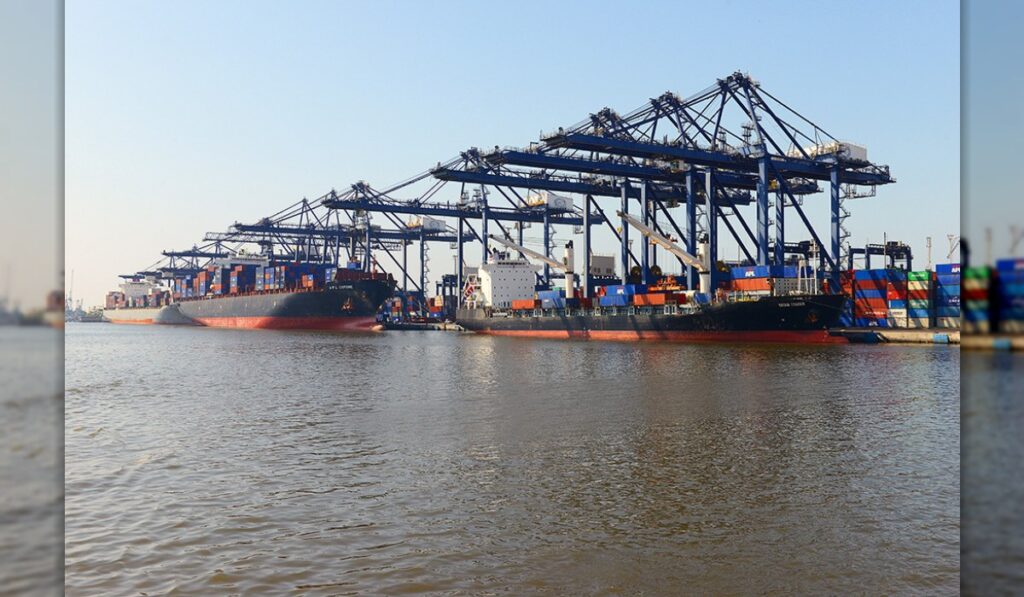
Pakistan is considering chartering or purchasing its own containership to mitigate the fallout from Red Sea shipping disruptions, which have rerouted vessels around Africa and hiked costs for exporters. A high-level meeting in Islamabad on October 1 brought together the Minister of Maritime Affairs, Adidas Pakistan, and the state-run Pakistan National Shipping Corporation (PNSC) to address the crisis.
Adidas Pakistan and local textile manufacturer Style Textile highlighted how the rerouting has disadvantaged Pakistani exporters compared to regional competitors with more direct access to major markets. The PNSC has signalled willingness to charter or purchase a containership, but only if sufficient cargo volumes can be guaranteed to make the operation commercially viable.
A working group, including government officials, the PNSC, and exporters, has been formed to explore solutions. Their immediate tasks include assessing demand for a dedicated vessel and identifying measures to reduce transportation costs. The group will also consult other exporters to gauge the scale of the challenge and the potential for a shared solution.
In 2024, the government launched a task force to explore opportunities in the sector, and earlier this year, Karachi Shipyard & Engineering Works began construction on the country’s first domestically built containership, a 1,100 TEU vessel slated for operation by the PNSC. The project marks a significant milestone, as no large commercial ship has been built in Pakistan since the 1980s.
The situation is particularly acute for textile manufacturers, a key sector for Pakistan’s economy, which relies on timely shipments to meet international demand.
The PNSC’s willingness to explore a dedicated containership reflects a broader recognition of the need to secure reliable shipping connectivity. However, the success of such an initiative hinges on ensuring sufficient cargo volumes to sustain the vessel’s operations. The working group will need to balance the immediate needs of exporters with the long-term viability of the project.
In the meantime, Pakistani manufacturers continue to face an uphill battle. The rerouting of vessels has not only increased costs but also disrupted supply chains, making it harder for exporters to meet delivery deadlines. For a country already struggling with economic challenges, the shipping crisis threatens to further strain its trade relationships and economic growth.
The stakes are high, and the clock is ticking. As the working group moves forward, its ability to deliver a viable solution will determine whether Pakistan can regain its footing in the global market, or risk falling further behind.


Sign up free to ask CAMAL AI for a summary, the key points or anything else about this story.
Related stories
CAMAL AI
 Financial Ports Newsletter
The maritime economy, every morning
Ports, shipping and freight markets in one short email. Free.
Financial Ports Newsletter
The maritime economy, every morning
Ports, shipping and freight markets in one short email. Free.



