

UN Launches Shipping Security Coalition as Piracy Surges 17% in a Year
India and Liberia lead a 27-nation UN group to counter rising attacks on merchant vessels and seafarers.
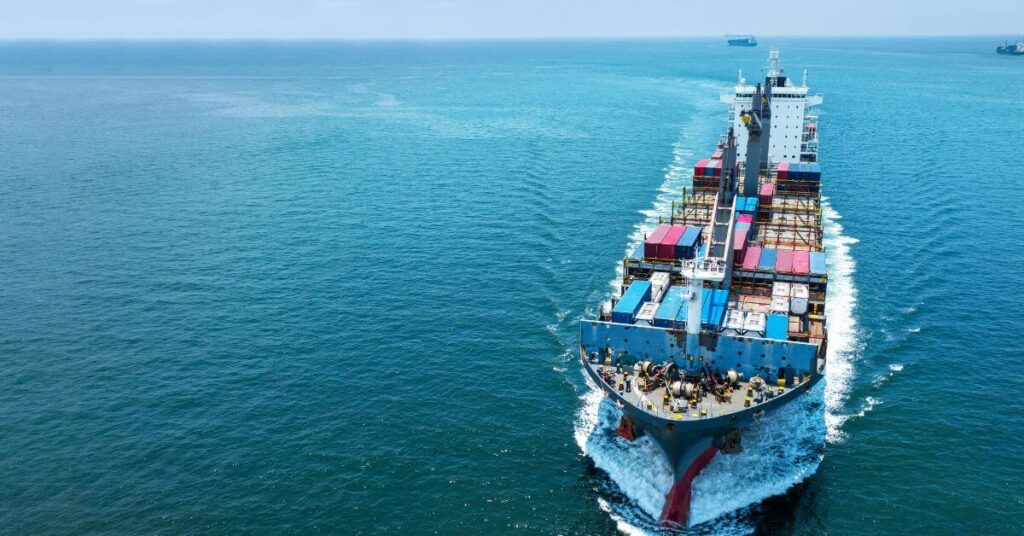
India and Liberia have initiated a new group to tackle the rising threat of piracy and attacks on commercial shipping, as incidents surged by 17% in 2026. Co-chaired by India and Liberia, the Group of Friends on Safety and Security of Shipping and Seafarers aims to protect the two million seafarers who keep global trade afloat.
The initiative, unveiled at the UN headquarters in New York on September 25, brings together 25 to 27 nations, including major maritime players like France, Germany, Japan, and Russia. The group will focus on intelligence-sharing and cooperation to counter threats in high-risk regions such as the Red Sea, Gulf, and Black Sea, where attacks on merchant vessels have escalated.
India’s External Affairs Minister, S Jaishankar, highlighted the urgency of the situation, citing repeated attacks in the Gulf and Red Sea. “From the Black Sea to the Red Sea to the Gulf, attacks on civilian shipping have become a growing cause of concern,” he said. “These actions that disrupt maritime commerce and cost innocent lives are simply indefensible.”
“We are here to not just highlight this dangerous trend, but to urge the international community to close ranks and deter such attacks.”
S Jaishankar·India’s External Affairs Minister
The International Maritime Organisation (IMO), a specialised UN agency, has long been the primary body overseeing global maritime safety and security. Established in 1948, the IMO sets international standards for shipping, including regulations to combat piracy and armed robbery at sea. Its role in coordinating responses to maritime threats makes it a key partner for the new coalition, though the Group of Friends will operate independently to address immediate security concerns.
Liberia, which operates the world’s largest shipping registry by gross tonnage, joins India in leading the coalition. Foreign Minister Sara Beysolow Nyanti visited New Delhi in August, where bilateral talks laid the groundwork for the initiative. The group will complement existing organisations like the IMO and the International Labour Organisation (ILO), but will not deploy new naval forces or enforcement mechanisms.
The ILO, founded in 1919, focuses on labour standards and worker protections, including those for seafarers, and its collaboration with the new group could strengthen efforts to safeguard maritime workers.
Why the Red Sea and Gulf Are Critical to Global Trade: Coalition
The Red Sea and Gulf are vital arteries for global commerce, with over 80% of internationally traded goods transported by sea. Recent attacks in these regions have disrupted shipping routes, delayed deliveries, and increased costs for businesses worldwide. The coalition’s focus on these areas reflects their strategic importance and the growing risks faced by merchant vessels. The Strait of Hormuz, a narrow waterway connecting the Gulf to the Gulf of Oman, is particularly critical, as it handles roughly one-third of the world’s seaborne oil shipments.
The Strait of Hormuz, Gulf of Oman, and Bab-el-Mandeb are also hotspots for piracy and armed robbery, with Somalia remaining a key concern. The IMO recorded 171 incidents in 2026, up from 146 the previous year, underscoring the need for coordinated action. The new group will exchange intelligence and best practices to mitigate these threats, though it remains voluntary and non-binding. The Bab-el-Mandeb, a narrow strait between Yemen and Djibouti, is another critical chokepoint, with nearly 10% of global seaborne oil passing through it daily.
The economic impact of disruptions in these regions extends far beyond the shipping industry. Delays in the delivery of goods, from electronics to foodstuffs, can lead to shortages and price spikes in consumer markets. For businesses reliant on just-in-time supply chains, even minor delays can result in significant financial losses. The coalition’s efforts to enhance security in these areas could help stabilise global trade flows and reduce the risk of supply chain disruptions.
What This Means for the Two Million Seafarers at Risk
Nearly two million seafarers work aboard the world’s merchant fleets, often in hazardous conditions. The coalition’s formation signals a renewed commitment to their safety, though critics argue that without enforcement powers, its impact may be limited.
India, a major contributor of seafarers, and Liberia, home to the largest shipping registry, bring significant influence to the table. The ILO estimates that seafarers from the Philippines, India, and China make up a substantial portion of the global maritime workforce, highlighting the need for international cooperation to protect these workers.
The group’s launch comes as attacks on commercial shipping continue to rise, with the Red Sea and Gulf regions seeing some of the most severe disruptions. While the coalition will not deploy military assets, its focus on intelligence-sharing and cooperation could help deter future attacks and improve response times. Seafarers, who often spend months at sea, face not only the threat of piracy but also challenging working conditions, including long hours and limited access to medical care. The new initiative could push for improved labour protections alongside security measures.
For the shipping industry, the coalition’s success could mean fewer disruptions and lower insurance premiums. Piracy and armed robbery drive up operational costs, as vessels must take longer, more expensive routes to avoid high-risk areas. The Group of Friends aims to address these challenges by fostering collaboration among nations, though its voluntary nature means progress will depend on diplomatic goodwill rather than binding agreements.
The next steps for the coalition include expanding membership and establishing working groups to tackle specific threats. With maritime security under increasing strain, the group’s success will depend on its ability to translate diplomatic efforts into tangible protections for seafarers and vessels. Nations interested in joining the initiative can engage through the United Nations or directly with the co-chairs, India and Liberia. The group’s website, once launched, is expected to provide updates on its activities and opportunities for collaboration.
For seafarers and shipping companies, staying informed about the coalition’s progress will be crucial. The IMO and ILO will continue to play central roles in setting global standards, and their websites offer resources on maritime security and labour protections. The IMO’s official portal provides real-time updates on piracy incidents, while the ILO’s website offers guidance on seafarer rights and working conditions.
The coalition’s formation is a step toward addressing a growing global challenge, but its effectiveness will hinge on the willingness of nations to collaborate. For now, the initiative represents a diplomatic effort to enhance maritime security, with the potential to deliver real-world benefits for seafarers and the shipping industry alike.


Sign up free to ask CAMAL AI for a summary, the key points or anything else about this story.
Related stories
CAMAL AI
 Financial Ports Newsletter
The maritime economy, every morning
Ports, shipping and freight markets in one short email. Free.
Financial Ports Newsletter
The maritime economy, every morning
Ports, shipping and freight markets in one short email. Free.



