

Russia Detains German-Operated Ship in Gulf of Finland
The Vasterbotten, operated by German firm Navalis Shipping, was held for hours in Russian waters en route to Estonia’s.
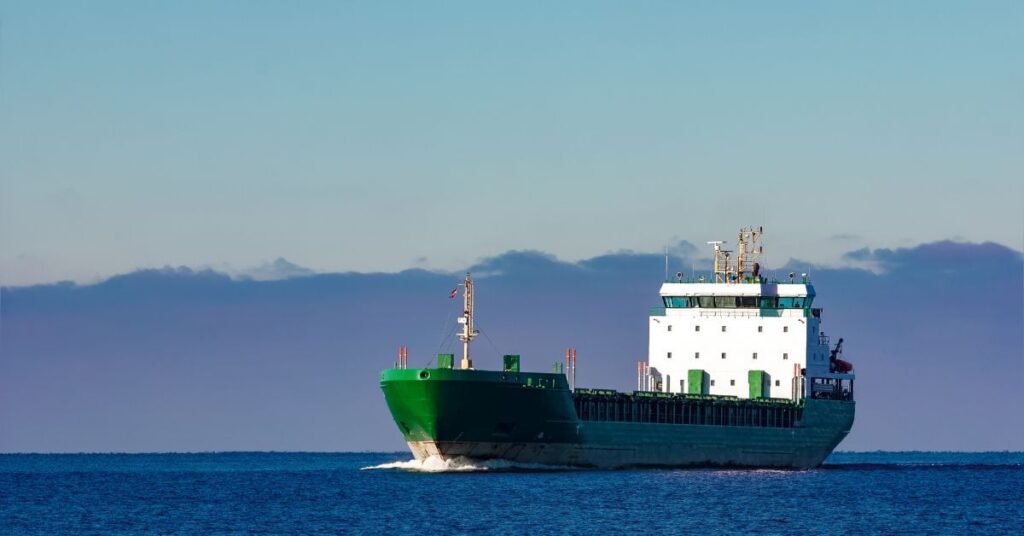
Russian border guards have detained a Cyprus-flagged cargo ship, the Vasterbotten, in the Gulf of Finland while it was sailing toward Estonia’s Port of Sillamae. The vessel, operated by German company Navalis Shipping, was traveling from Sweden’s Monsteras Port when it was intercepted in Russian territorial waters. After several hours of inspections, the ship was allowed to continue its journey at 5:00 pm.
Estonian authorities, including the Border Guard Board and the police, confirmed the incident but noted that Moscow has not provided an official explanation. This is not the first time Russia has detained ships in the region. Last May, Russian forces stopped the Greek-operated tanker Green Admire, which was carrying shale oil to Rotterdam, after it followed an agreed route through Russian waters.
Geopolitical tensions disrupt Baltic shipping routes: Gulf of Finland
The Gulf of Finland has become a recurring flashpoint in maritime disputes between Russia and Western-aligned nations. While the route through Russian waters is considered safer for large vessels due to fewer navigational hazards like shoals, the risk of arbitrary detentions has led Estonia to reroute ships through its own waters. This decision, made by the Estonian Transport Administration, aims to avoid further conflicts despite the added challenges of navigating shallower areas.
Russia had previously restricted ship passage in parts of the Gulf of Finland but later lifted those measures. Under a trilateral agreement, Estonia, Russia, and Finland allow vessels from all three countries to use the gulf’s waters. However, recent incidents suggest Moscow may be using detentions as a retaliatory measure, particularly after Russian President Vladimir Putin warned Western nations against targeting Russian cargo ships.
Impact on trade and maritime operations
The detention of the Vasterbotten underscores the growing risks for shipping companies navigating the Baltic Sea. With no clear resolution to the underlying tensions, operators may face increasing pressure to avoid Russian waters entirely, even if it means longer or more hazardous routes.
The Gulf of Finland serves as a critical trade corridor for Northern Europe, and disruptions here could have ripple effects on global supply chains. As long as Russia continues to use maritime detentions as a geopolitical tool, shipping firms will need to adapt their strategies to mitigate risks in one of the world’s most politically sensitive waterways.


Sign up free to ask CAMAL AI for a summary, the key points or anything else about this story.
Related stories
CAMAL AI
 Financial Ports Newsletter
The maritime economy, every morning
Ports, shipping and freight markets in one short email. Free.
Financial Ports Newsletter
The maritime economy, every morning
Ports, shipping and freight markets in one short email. Free.



