

Finnish Court Puts Captain on Trial for 130km Anchor Drag Disaster
A Russian captain and an Azerbaijani boatswain face up to 2.5 years in prison for damaging eight undersea cables and a.
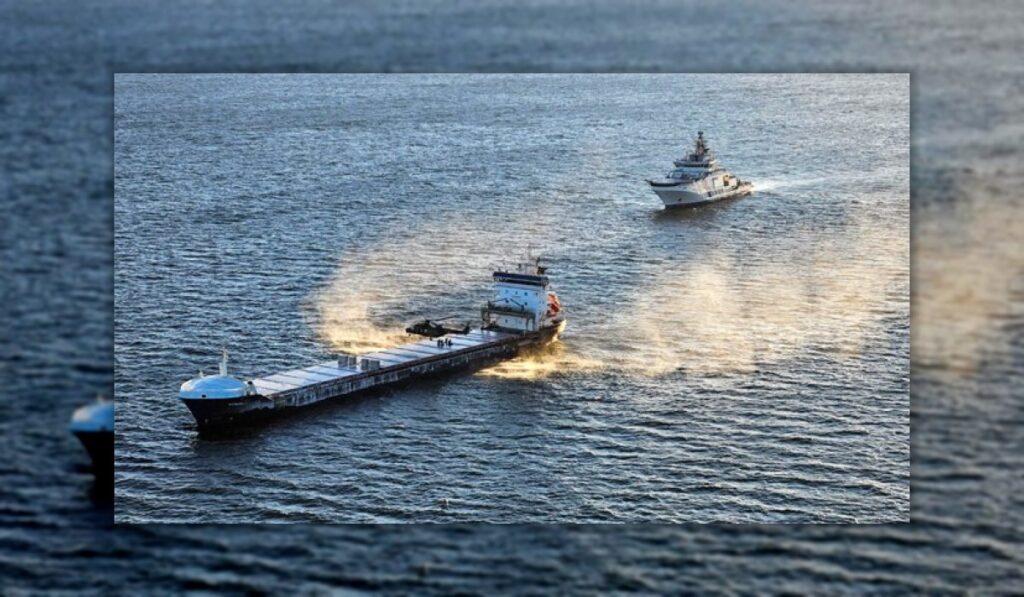
A Russian captain and an Azerbaijani boatswain are standing trial in Finland after their cargo ship dragged its anchor across the Gulf of Finland for at least 130 kilometres, damaging eight undersea cables and a gas pipeline. El Tribunal de Distrito de Helsinki began hearings this week, with prosecutors seeking up to two and a half years in prison for aggravated sabotage and interference with telecommunications.
The case centres on the 9,800 dwt cargo ship Fitburg, a Turkish-owned vessel registered in St. Vincent and the Grenadines. The 132-metre (433-foot) ship was reportedly carrying steel products from Russia to Israel when the incident occurred in the early hours of December 31, 2025. Finnish telecommunications company Elisa first reported a fault on one of its undersea cables, followed shortly by a similar alert from technology firm Arelion. la Guardia Fronteriza finlandesa quickly identified the Fitburg as the likely culprit and contacted the crew, who denied any issues.
Crew Denies Negligence as Prosecutors Push for Conviction: Anchor
However, a helicopter inspection revealed the ship’s anchor was down, and drag marks on the seafloor later confirmed the vessel had been dragging it for 80 millases. The Fitburg was later renamed Finex in March but continues to operate under the same Turkish ownership.
The trial, which has been scheduled for six hearing days with two additional days in reserve, has seen both the captain, Andrei Maksimenko, and the unnamed Azerbaijani boatswain deny any wrongdoing. In their first court appearance, they claimed they believed the anchor was secure, citing icy conditions on deck that made it difficult to access the anchor controls. Maksimenko testified that he had ordered additional securing wires before departing St. Petersburg and denied acting negligently or intentionally causing damage.
Fitburg”>”I had ordered additional securing wires for the anchors before we left St. Petersburg. I deny acting negligently or intentionally causing damage.”
Andrei Maksimenko
Jurisdictional Battle Adds Complexity to Maritime Sabotage Case
The boatswain, meanwhile, stated he lacked the authority to lower the anchor on his own. Prosecutors argue that no mechanical faults were found in the anchor equipment, countering the defence’s claims that ice and mud may have contributed to the incident.
The case has drawn attention due to its potential precedent, as Finnish courts previously dismissed a similar case last year over jurisdictional concerns. However, the Court of Appeals in Helsinki recently ruled that Finland has the authority to prosecute because the crew’s denial of the dragging anchor and the resulting damage occurred within Finnish territory.
The defence has questioned the court’s jurisdiction, pointing to the earlier dismissal of a similar case. Under the la Convención de las Naciones Unidas sobre el Derecho del Mar (UNCLOS) on the Law of the Sea (UNCLOS), jurisdiction typically lies with the ship’s flag state or the crew’s home country. However, the el Tribunal de Distrito ruled this week that it has the authority to proceed, citing the crew’s denial of the incident when confronted by Finnish authorities and the fact that the damage occurred in Finnish waters.
La defensa ha anunciado que recurrirá el fallo ante el Tribunal Supremo de Finlandia en un plazo de 30 días. La próxima audiencia para revisar los argumentos sobre jurisdicción está fijada para el 15 de noviembre, mientras el tribunal mantiene el calendario procesal previsto para iniciar el juicio oral en febrero de 2025.


Sign up free to ask CAMAL AI for a summary, the key points or anything else about this story.
Related stories
CAMAL AI
 Financial Ports Newsletter
The maritime economy, every morning
Ports, shipping and freight markets in one short email. Free.
Financial Ports Newsletter
The maritime economy, every morning
Ports, shipping and freight markets in one short email. Free.



