

US Navy Bets $300m on AI Robots to Fix Its Fleet Faster Than China
The Pentagon quadruples its contract with Gecko Robotics to slash maintenance times and cut repair costs by up to $8m.
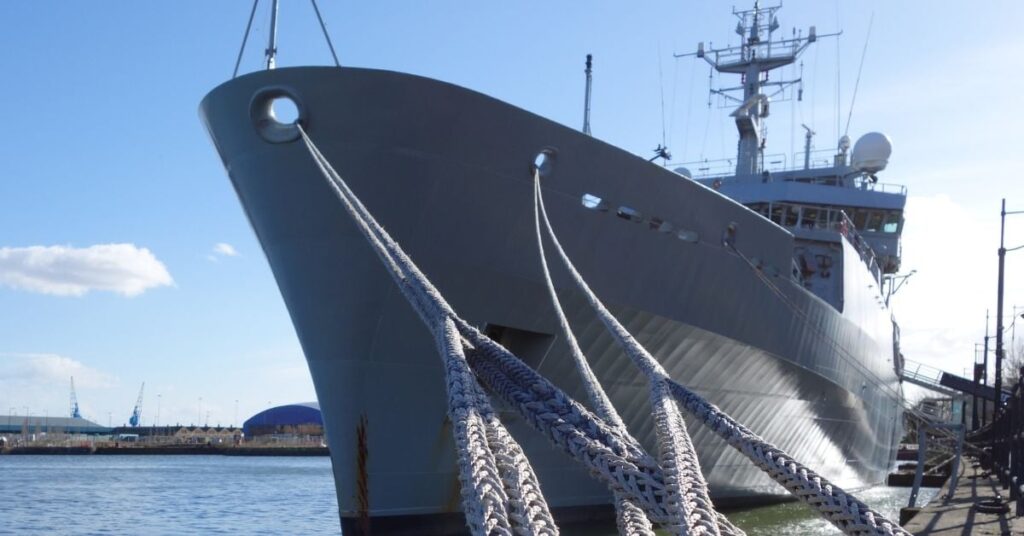
The U.S. Navy has increased its contract with Gecko Robotics from $71 million to $300 million, a fourfold expansion aimed at accelerating the adoption of artificial intelligence and robotic systems to improve fleet readiness. The decision comes as the Navy seeks to close the operational gap with China, which maintains a larger battle fleet and faster repair capabilities.
Six months after the initial deployment, the expanded agreement reflects Washington’s urgency to modernize ship maintenance. The Navy aims to achieve 80% fleet readiness, addressing persistent delays in shipyards and shortages of skilled labor. Gecko Robotics’ technology is designed to streamline inspections, reducing the time and cost required for repairs.
U.S. Navy expands AI robotics contract to $300 million amid fleet readiness push
Gecko Robotics’ wall-climbing robots can inspect ship hulls, flight decks, and ballast tanks at speeds 50 times faster than manual methods. These robots detect metal loss and corrosion, feeding data into the company’s Cantilever AI platform, which identifies issues before they escalate into costly overhauls. The system has already demonstrated significant savings, up to $8 million per ship, by reducing repair areas and preventing unnecessary tear-downs.
In one case, robotic analysis shrunk a repair zone from 1,200 square feet to just 300 square feet, eliminating excess labor and material costs. The Navy’s investment also includes Komodo, a new robot tailored for naval operations. Komodo scans steel decks beneath thick coatings, detecting hidden corrosion and measuring material thickness without invasive procedures. This non-destructive approach allows crews to assess damage before disassembly, cutting maintenance time.
Robots and AI transform naval maintenance
Beyond immediate inspections, Gecko Robotics plans to use accumulated data for predictive maintenance. By forecasting potential failures, the Navy can preemptively schedule repairs, ensuring ships return to service faster. Jake Loosararian, CEO of Gecko Robotics, emphasized that while the U.S. may not match rivals in manufacturing volume, AI-driven systems offer a strategic advantage by optimizing existing assets.
“While the United States may struggle to out-manufacture rival nations in volume, deploying AI-driven maintenance systems allows the military to outsmart operational bottlenecks and keep existing vessels ready for combat.”
Jake Loosararian
·
CEO and co-founder of Gecko Robotics


Sign up free to ask CAMAL AI for a summary, the key points or anything else about this story.
Related stories
CAMAL AI
 Financial Ports Newsletter
The maritime economy, every morning
Ports, shipping and freight markets in one short email. Free.



