

Uber Freight’s AI turns logistics into self-improving networks
Uber Freight’s Transportation Orchestration uses real-time AI to automate freight decisions and cut costs for shippers.
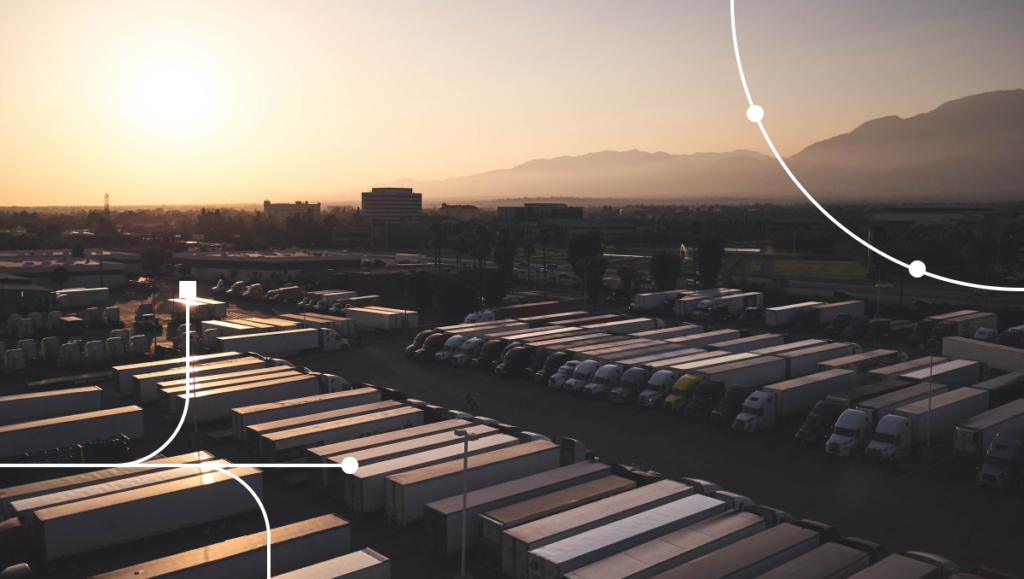
Uber Freight is transforming managed transportation with its Transportation Orchestration platform, a system that leverages artificial intelligence to automate freight decisions and execution.
At the core of Uber Freight’s strategy is a three-step process designed to enhance efficiency. First, the platform automates routine tasks such as planning, tracking, and data gathering, making these processes faster, more consistent, and less prone to errors.
Amir Pelleg, Chief Product Officer at Uber Freight, emphasised the shift in expectations:
How Transportation Orchestration works
“Running today’s freight well is essential table stakes. Customers benefit the most when we bring ideas and drive the change tomorrow requires.”
Amir Pelleg·Chief Product Officer, Uber Freight
The platform’s scale is a key advantage. By aggregating data across multiple shippers and industries, Uber Freight can identify opportunities for improvement that no individual company could achieve alone.
AI is central to Uber Freight’s ability to process and act on vast amounts of data. While human experts can only review limited information at once, AI enables the platform to analyse network performance in real time, identify inefficiencies, and automate routine decisions. This frees up logistics experts to focus on strategic advising and implementing changes that drive long-term value for customers.
The role of AI and logistics expertise
The system also captures and measures the results of its recommendations, feeding them back into the platform to refine future decisions. This creates a self-improving loop where each interaction enhances the platform’s capabilities. For instance, if a recommended route adjustment leads to lower costs or faster delivery times, the system learns from that success and applies similar improvements to other customers facing comparable challenges. Pelleg highlighted the importance of this feedback mechanism:
“my focus is on building that loop”
Amir Pelleg·Chief Product Officer, Uber Freight
Uber Freight’s logistics experts play a critical role in this ecosystem. They understand the real-world constraints and trade-offs that shippers face, such as balancing cost, service reliability, and capacity. By combining this expertise with AI-driven insights, the platform can make recommendations that are both data-informed and practical. For example, if a shipper’s facility operations change unexpectedly, the system can assess the implications for service levels and budgets, then propose adjustments to mitigate disruptions.
For shippers, the benefits of Transportation Orchestration are clear: lower costs, more reliable service, and faster adaptation to disruptions. The platform’s ability to automate routine tasks reduces the risk of human error, while its AI-driven recommendations help shippers optimise their networks continuously.
Uber Freight’s approach also addresses a key pain point for shippers: the need for visibility and actionable intelligence. Many shippers struggle to anticipate disruptions or identify recurring problems in their networks.
By aggregating data from multiple shippers, Uber Freight can identify opportunities to consolidate shipments, optimise routes, and reduce empty miles. This not only lowers costs but also improves sustainability by reducing fuel consumption and emissions.
Uber Freight’s product priority is to make these opportunities easier to identify, evaluate, and execute consistently. The company is investing in improving the data that informs its recommendations and ensuring that those recommendations are seamlessly connected to execution. This means shippers can spend less time managing logistics and more time focusing on their core business.
The shift toward self-improving networks represents a broader trend in the logistics industry. As AI and automation become more sophisticated, platforms like Uber Freight are poised to play an increasingly central role in freight management. The ability to analyse vast amounts of data, identify patterns, and automate decisions will become a competitive differentiator for shippers.
For now, Uber Freight’s Transportation Orchestration platform is setting a new standard for what managed transportation can achieve. By combining AI-driven insights with logistics expertise, the platform is helping shippers navigate an increasingly complex and dynamic freight landscape. Customers can expect not only reliable and cost-efficient freight management but also a partner that actively drives improvements in their networks.
As the platform continues to evolve, shippers will likely see even greater benefits, from faster adaptation to disruptions to more sustainable and cost-effective operations. For logistics professionals, the message is clear: the future of freight management is not just about moving goods from point A to point B, it’s about leveraging technology to create smarter, more resilient networks.


Sign up free to ask CAMAL AI for a summary, the key points or anything else about this story.
Related stories
CAMAL AI
 Financial Ports Newsletter
The maritime economy, every morning
Ports, shipping and freight markets in one short email. Free.



