

Samsung demands $186m from CMA CGM over ‘unlawful’ container charges
Samsung Electronics America files FMC complaint alleging $148m in disputed demurrage and detention fees
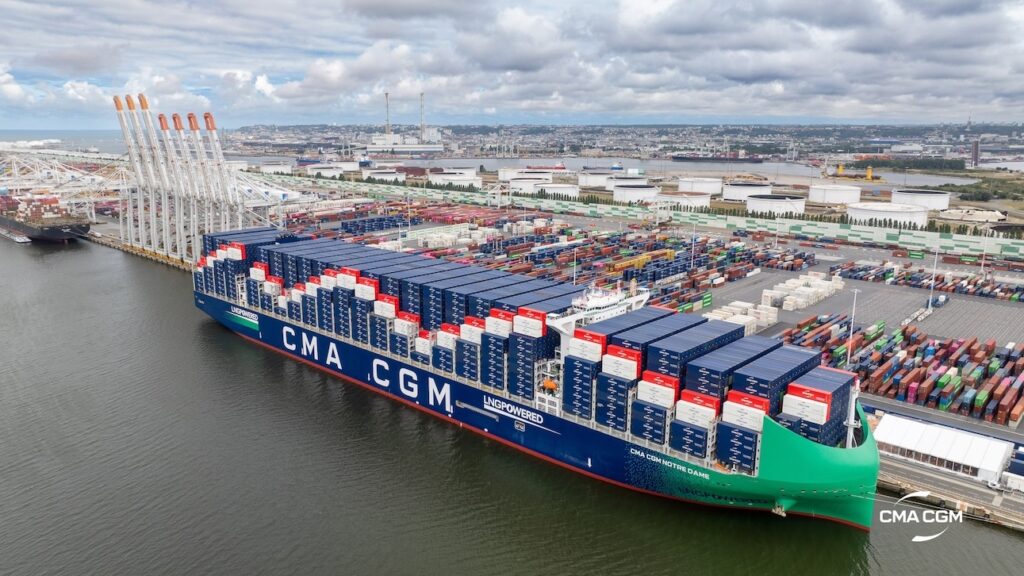
Samsung Electronics America has launched a $186 million legal battle against French shipping giant CMA CGM, accusing the carrier of imposing unlawful container charges and failing to meet inland delivery commitments. The complaint, filed with the U.S.
Samsung claims the carrier repeatedly failed to remove containers from marine and intermodal terminals on time, exposing the electronics firm to 121,000 demurrage and detention charges since mid-2020.
How CMA CGM’s alleged failures cost Samsung millions
Shipping Act, which mandates that common carriers follow “just and reasonable practices” in handling and delivering cargo. Samsung alleges CMA CGM exploited cargo and finance holds to pressure the company into paying disputed invoices, sometimes blocking the release of containers unrelated to the charges in question.
Samsung’s filing with the FMC breaks down the financial impact: $148 million in disputed demurrage, detention, rail storage, and related charges; $8.1 million in additional expenses incurred to fulfil inland transportation obligations and mitigate disruptions; and $30 million in prejudgment interest. The total demand could exceed $186 million once legal fees and other compensation are factored in.
CMA CGM pushes back, citing pandemic disruptions
CMA CGM has dismissed Samsung’s allegations, framing the dispute as a consequence of the exceptional operating conditions during the Covid-19 pandemic. The company has formally requested the FMC to dismiss the case, arguing that the pandemic’s impact on global supply chains created unforeseeable circumstances beyond its control.
Federal Maritime Commission, the U.S. regulatory body overseeing the complaint, will now assess the merits of both parties’ arguments. The FMC’s role is to ensure compliance with the Shipping Act, which governs the practices of ocean carriers operating in U.S. trades. If the commission finds in Samsung’s favour, it could order CMA CGM to pay reparations and cease the practices deemed unlawful. Conversely, a ruling in CMA CGM’s favour would reinforce the carrier’s position that the pandemic’s disruptions absolve it of liability.
Industry analysts are closely watching the proceedings, as the case highlights the vulnerabilities in global supply chains exposed by the pandemic. The dispute underscores the tension between carriers, who faced unprecedented operational challenges, and shippers, who bore the brunt of additional costs and logistical disruptions.
The FMC’s decision could influence future contract negotiations, with carriers potentially seeking to include force majeure clauses that explicitly address pandemic-like disruptions, while shippers may push for stricter penalties for non-compliance with delivery commitments.
For now, Samsung’s legal team remains focused on proving that CMA CGM’s actions went beyond the scope of pandemic-related disruptions and constituted a breach of contract. The company’s complaint paints a picture of a carrier that exploited its position to offload costs onto a customer, rather than addressing operational inefficiencies. As the case progresses, the FMC’s rulings on specific allegations, such as the unilateral conversion of store-door shipments to container-yard arrangements, will be critical in determining the final outcome.
The broader implications for the shipping industry are significant. If Samsung succeeds, other shippers may be emboldened to challenge similar charges, potentially leading to a wave of litigation against carriers. Conversely, if CMA CGM prevails, it could reinforce the industry’s tendency to prioritise operational flexibility over strict contractual adherence, particularly in times of crisis. Either way, the case serves as a stark reminder of the financial stakes involved in global logistics and the importance of clear, enforceable contracts in mitigating risk.
As the dispute unfolds, both companies are likely to face scrutiny over their handling of the pandemic’s challenges. For Samsung, the case is a test of its ability to hold a major carrier accountable for what it sees as unfair practices. For CMA CGM, it is an opportunity to defend its reputation and demonstrate that its actions were justified under the circumstances. The FMC’s decision, expected in the coming months, will shape the future of shipping contracts and the balance of power between carriers and shippers in an increasingly volatile global trade environment.


Sign up free to ask CAMAL AI for a summary, the key points or anything else about this story.
Related stories
CAMAL AI
 Financial Ports Newsletter
The maritime economy, every morning
Ports, shipping and freight markets in one short email. Free.
Financial Ports Newsletter
The maritime economy, every morning
Ports, shipping and freight markets in one short email. Free.



