

Monaco’s maritime cluster swells to 51 firms
The principality now hosts 51 maritime firms employing over 1,000 people, as shipping tycoons flee London’s tax reforms.
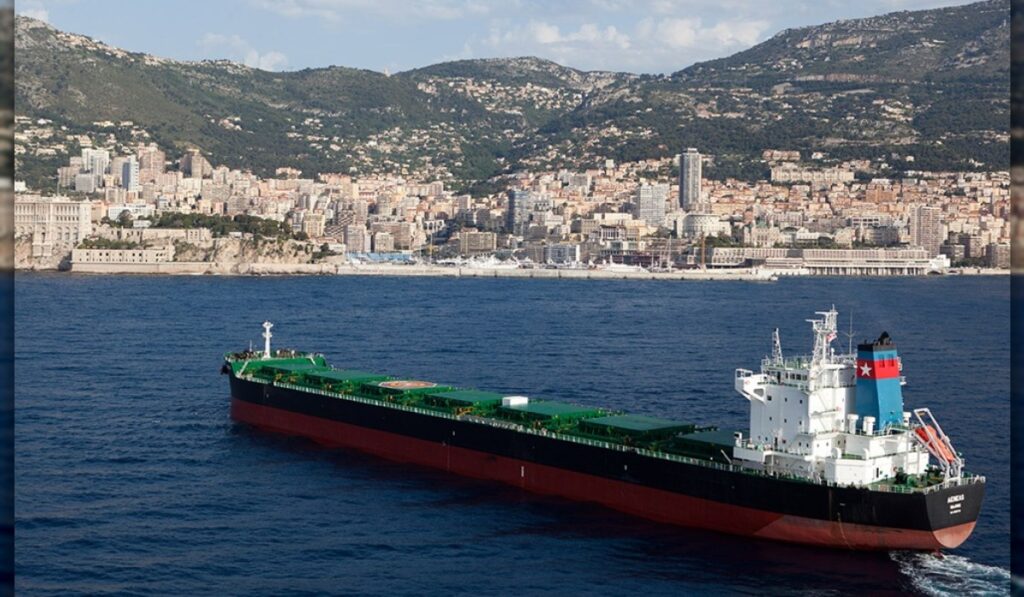
Monaco is consolidating its position as a premier maritime hub, attracting a growing number of shipowners, investors, and industry leaders to its shores. The principality’s shipping cluster has expanded significantly in recent years, with new arrivals reinforcing its status as one of Europe’s most concentrated centers for maritime decision-making.
The Monaco Chamber of Shipping, founded in 2006 with just seven members, now represents 51 maritime companies based in the principality. These firms employ over 1,000 people, spanning owners, charterers, fleet managers, brokers, lawyers, insurers, and other specialists. The chamber’s growth reflects Monaco’s evolution from a luxury destination for wealthy individuals to a self-sustaining maritime ecosystem.
The rise of a maritime ecosystem: Monaco
Sébastien Knecht de Massy, president of the Monaco Chamber of Shipping and an executive at INEOS, highlights the principality’s unique advantage: “Within a few hundred metres, you will find some of the world’s most respected owners and the decision-makers behind a large share of the global tanker, gas, cruise, and dry cargo fleets.” This density of industry leaders fosters collaboration and reinforces Monaco’s appeal as a strategic base.
Scorpio Tankers
Recent high-profile relocations have further strengthened Monaco’s maritime community. Norwegian investor Tor Olav Trøim moved his Magni Partners operation from London to Monaco last year, bringing his team and business activities with him. British billionaire David Reuben, who built his fortune in metals trading before expanding into shipping and property, has also chosen the principality as his new home.
These arrivals join established names like Emanuele Lauro’s Scorpio, Eyal Ofer’s Ofer Global, and John Michael Radziwill’s C Transport Maritime, which manages around 120 dry bulk vessels. Other key players include d’Amico Tankers Monaco, Hafnia, Celsius Management, and Sea World Management, among others.
New arrivals and enduring challenges
While Monaco’s advantages are clear—political stability, proximity to France and Italy, and easy access via Nice airport—its growth is not without obstacles. The principality’s limited office space, high salaries, and exorbitant property costs make recruitment and expansion challenging. However, the benefits of operating within such a dense and influential network continue to outweigh these drawbacks for many.
Tax policies have also played a role in Monaco’s appeal, particularly following Britain’s decision to abolish its non-dom regime in April 2025. Yet industry leaders emphasize that the principality’s value extends far beyond fiscal incentives, rooted instead in its unparalleled concentration of shipping expertise and capital.


Sign up free to ask CAMAL AI for a summary, the key points or anything else about this story.
Related stories
CAMAL AI
 Financial Ports Newsletter
The maritime economy, every morning
Ports, shipping and freight markets in one short email. Free.
Financial Ports Newsletter
The maritime economy, every morning
Ports, shipping and freight markets in one short email. Free.



