

China Completes First Green Ammonia Bunkering: 1,000 Tons Shift Shipping’s
Zhoushan Port hosts historic transfer of 1,000 metric tons of green ammonia to the world’s first ammonia-fueled bulk.
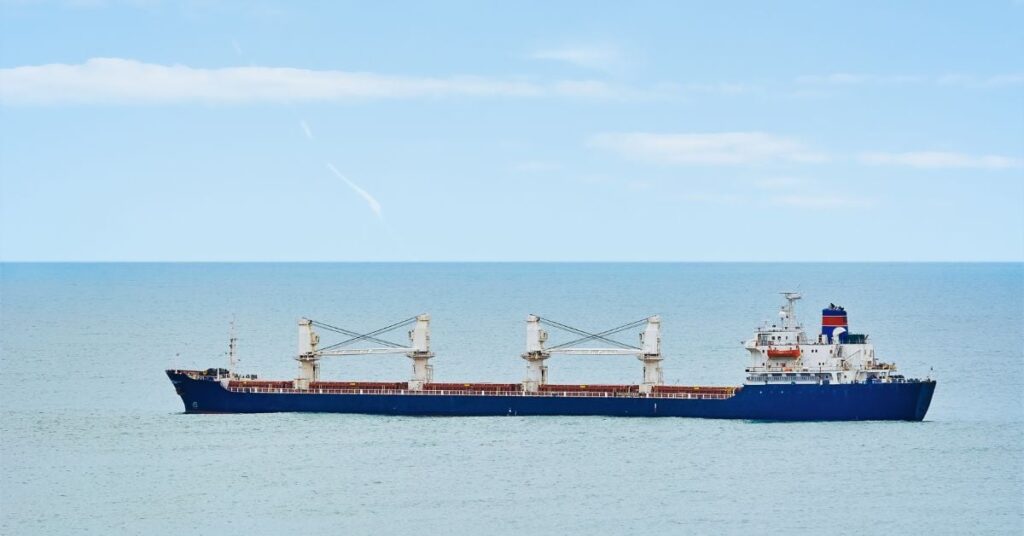
China has marked a historic milestone in the maritime industry by completing the world’s first ship-to-ship transfer of green ammonia as a marine fuel. The operation took place at Zhoushan Port, where the bunkering vessel Shenghang Yongle delivered 1,000 metric tons of green ammonia to the bulk carrier Mineral Europa on October 13, 2026.
The achievement underscores China’s growing role in the global push toward decarbonizing shipping. The green ammonia was produced at the Hy Flow-1 Songyuan Hydrogen Energy Industrial Park in Jilin Province, a facility operated by CEEC Hydrogen Energy Co Ltd, a subsidiary of China Energy Engineering Group. The park is one of China’s most ambitious green energy projects, generating not only ammonia but also hydrogen and methanol using renewable sources like wind and solar power.
The Green Ammonia Supply Chain in Action
The bunkering operation demonstrated the full integration of a green ammonia supply chain, from production to end use. Li Jingguang, chairman of CEEC Hydrogen Energy, emphasized the significance of the event, stating it was the first time the entire process—production, storage, transport, bunkering, and consumption—had been successfully executed at a commercial scale.
China’s ammonia sector is evolving rapidly, shifting from small-scale operations to large-scale commercial production. The country has also developed storage facilities at Panjin Port and is expanding its logistics network to ensure the fuel can be delivered efficiently to other ports. Li noted that China aims to supply green ammonia at competitive prices to support the global maritime industry’s transition away from fossil fuels.
Why Green Ammonia Matters for Shipping
Green ammonia is emerging as a leading alternative to traditional marine fuels due to its energy density and ease of transport. Unlike conventional fuels, it can be produced using renewable energy, making it a viable option for reducing greenhouse gas emissions in shipping. The fuel’s ability to be liquefied and stored in existing infrastructure further enhances its appeal.
Following the bunkering at Zhoushan Port, the Mineral Europa embarked on a trans-Pacific voyage to Australia, proving the fuel’s suitability for long-haul shipping. The operation aligns with the International Maritime Organization’s (IMO) net-zero emission goals, which are becoming increasingly urgent as the industry seeks sustainable solutions.
China’s success in this endeavor positions the country as a key player in the global maritime sector’s decarbonization efforts. With plans to expand its ammonia logistics network and offer cost-effective solutions, China is set to influence the future of green shipping worldwide.


Sign up free to ask CAMAL AI for a summary, the key points or anything else about this story.
Related stories
CAMAL AI
 Financial Ports Newsletter
The maritime economy, every morning
Ports, shipping and freight markets in one short email. Free.



