

Sweden’s Baltic Sea Patrol: 4 USVs for 24/7 Maritime Surveillance
Sweden launches a 12-month mission with four Saildrone Voyager USVs to monitor its Baltic Sea waters in real time.
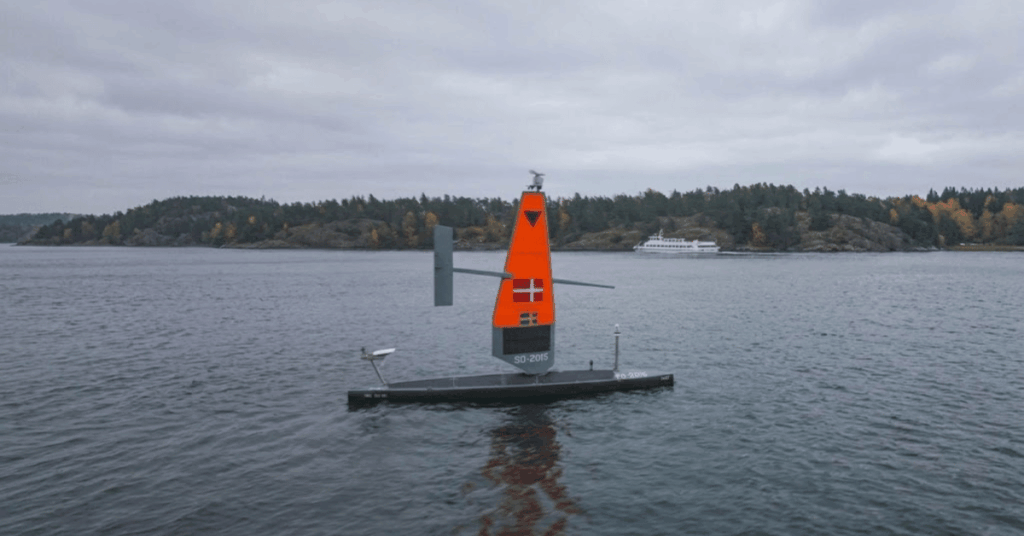
Sweden has launched a year-long maritime surveillance mission in the Baltic Sea, deploying four Saildrone Voyager unmanned surface vehicles (USVs) to patrol its territorial waters and exclusive economic zone. The initiative, totalling 1,440 contracted vehicle-days, marks the first national deployment of Saildrone USVs under the Nordic Defence Cooperation (NORDEFCO) framework, signalling a strategic shift towards persistent, unmanned maritime domain awareness.
The mission is not merely about the vessels themselves but about the data they collect. In other words, we are purchasing a persistent maritime surveillance service, and Saildrone provides the vessels that supply the Navy with data.".
The deployment is the first under the Nordic Defence Cooperation (NORDEFCO) framework, a collaborative organisation that includes Denmark, Finland, Iceland, Norway, and Sweden. NORDEFCO was established to streamline defence procurement and enhance regional security by allowing member states to rapidly deploy proven solutions without lengthy bureaucratic processes. By leveraging this framework, Sweden has accelerated the adoption of Saildrone’s technology, bypassing traditional procurement timelines that could delay critical surveillance capabilities.
Why Sweden’s USV Deployment Matters for Baltic Sea Security
Robert Kleist, Saildrone’s European managing director, highlighted the significance of this approach:
“This mission reflects Sweden’s commitment to securing the Baltic Sea and highlights Saildrone’s growing operational presence across Northern Europe. Sweden is investing in year-round maritime awareness as an operational capability. The NORDEFCO framework gives Nordic nations a common mechanism for accessing that capability while allowing each country to define and operate its own mission.”
Robert Kleist·European Managing Director, Saildrone
The 12-month commitment underscores Sweden’s long-term strategy for maritime security. Rather than relying on short-term deployments or ad-hoc surveillance efforts, the country is investing in sustained operational capabilities that can adapt to evolving threats.
How NORDEFCO Enables Rapid Deployment of Maritime Surveillance
Saildrone’s role extends beyond merely providing the USVs. The company operates and maintains the fleet as a managed service, ensuring that the Swedish Armed Forces receive uninterrupted data without the logistical burden of managing the vessels themselves.
The USVs will patrol Sweden’s territorial waters and exclusive economic zone (EEZ), areas that are critical for national security and economic interests. The ability to monitor these waters in real time provides Sweden with a strategic advantage, allowing for rapid response to potential threats, such as unauthorised vessel movements, environmental hazards, or smuggling activities.
Sweden’s deployment of Saildrone USVs is part of a broader global trend towards unmanned maritime systems. Saildrone, for instance, has supported defence and security missions in diverse environments, from the High North to the Southern Ocean and the Middle East, demonstrating the versatility of its technology.
The NORDEFCO framework could serve as a model for other regional defence cooperations, enabling member states to share resources and capabilities without compromising national sovereignty. By allowing each country to define and operate its own mission, the framework ensures flexibility while fostering collaboration. This approach is particularly relevant in the Baltic Sea, where shared security concerns, such as hybrid threats, illegal migration, and environmental risks, demand coordinated responses.
For Sweden, the deployment of Saildrone USVs represents a significant step forward in modernising its maritime surveillance capabilities. The ability to maintain persistent awareness of its territorial waters and EEZ without deploying additional crewed vessels is a game-changer, particularly in an era of tightening defence budgets and evolving security challenges. As Johan Wahren noted, the focus is not on the vessels themselves but on the intelligence they provide, a shift that could redefine how navies approach maritime domain awareness in the 21st century.
The success of this mission could also pave the way for additional deployments under the NORDEFCO framework. Other Nordic nations may follow Sweden’s lead, adopting similar unmanned surveillance solutions to enhance their own maritime security. This collaborative approach not only strengthens regional defence but also sets a precedent for how smaller navies can leverage emerging technologies to maintain a competitive edge.
As the 12-month mission unfolds, the Swedish Armed Forces will gain invaluable insights into the operational benefits and challenges of unmanned maritime surveillance. The data collected by the Saildrone Voyager USVs will inform future defence strategies, potentially leading to further investments in autonomous systems. For now, Sweden has taken a decisive step towards securing its maritime borders, demonstrating how innovation and cooperation can address the complex security challenges of the Baltic Sea.


Sign up free to ask CAMAL AI for a summary, the key points or anything else about this story.
Related stories
CAMAL AI
 Financial Ports Newsletter
The maritime economy, every morning
Ports, shipping and freight markets in one short email. Free.



