

6,000 Seafarers Trapped: The Strait of Hormuz Crisis No One Is Solving
400 ships and 6,000 crew remain stranded in the Persian Gulf after six months of attacks and blockades.
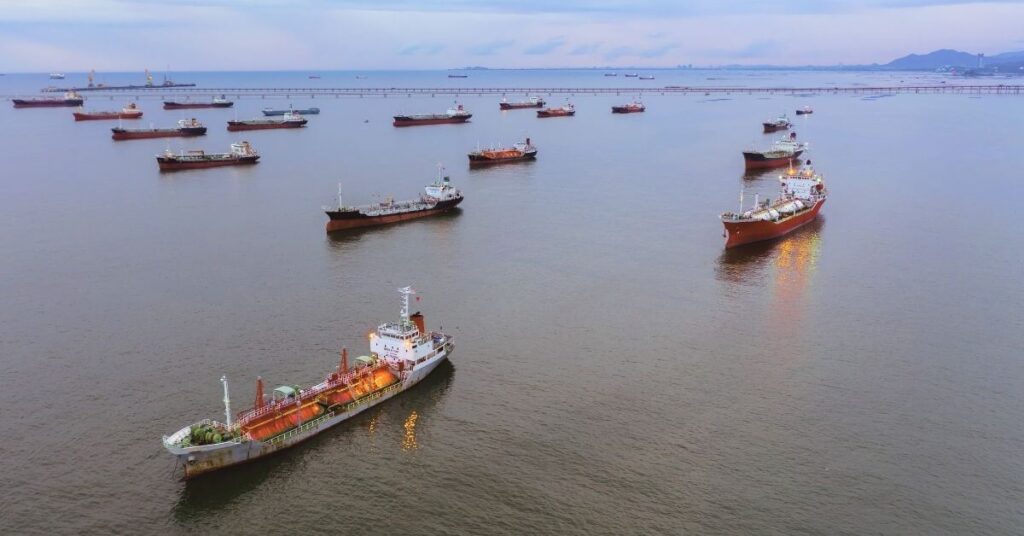
Six months after violence escalated in the Middle East, approximately 6,000 seafarers and 400 vessels remain stranded in the Persian Gulf. The International Maritime Organization (IMO) has confirmed at least 70 attacks on commercial ships since late February, resulting in the deaths of 19 crew members.
The ongoing conflict has left thousands of maritime workers in limbo. While some ships have managed to depart the region, hundreds of vessels and their crews continue to operate under heightened security risks. IMO Secretary-General Arsenio Dominguez emphasized the unresolved nature of the crisis, stating that seafarers in the area face persistent uncertainty and danger.
The situation has created significant challenges for those aboard the trapped vessels. With no clear resolution in sight, the psychological and professional strain on crews has intensified. The IMO has repeatedly called attention to the human cost of the stalemate, which extends beyond immediate safety concerns.
The Human Impact of Prolonged Stranding: strait of hormuz
The disruption in the Strait of Hormuz has had far-reaching effects on global trade. The IMO has warned that the interruption of key supply chains—including fuels, fertilizers, and other essential goods—poses risks to economies worldwide. In July, the organization adopted a resolution reaffirming the right to unhindered navigation through international straits, explicitly demanding a coordinated effort to restore safe passage in the region.
Dominguez stressed that maritime insecurity is not limited to the Persian Gulf. Similar threats have emerged in other critical waterways, including the Black Sea, Red Sea, and Gulf of Aden. Despite calls for cooperation among member states and the shipping industry, progress toward a solution remains stalled. For the thousands of seafarers still awaiting safe passage, the crisis shows no signs of abating.


Sign up free to ask CAMAL AI for a summary, the key points or anything else about this story.
Related stories
CAMAL AI
 Financial Ports Newsletter
The maritime economy, every morning
Ports, shipping and freight markets in one short email. Free.
Financial Ports Newsletter
The maritime economy, every morning
Ports, shipping and freight markets in one short email. Free.



