

321 Days at Sea: Why the USS Abraham Lincoln’s Record Deployment
The U.S. Navy’s carrier returned after 321 days—the second-longest deployment since Vietnam.
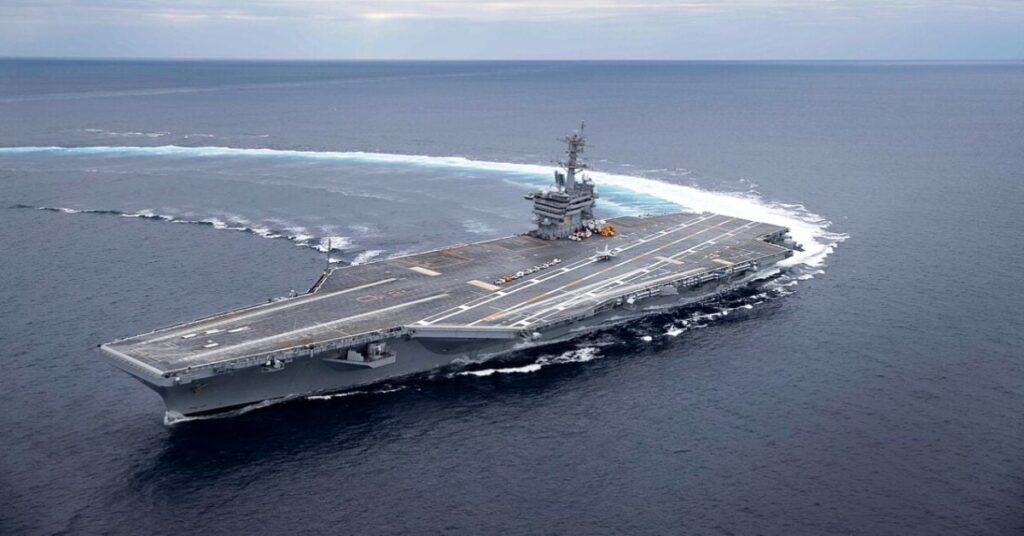
The USS Abraham Lincoln returned to San Diego on Thursday after a gruelling 320-day deployment, the second-longest in U.S. Navy history since the Vietnam War, amid mounting criticism over supply shortages, mental health failures, and a record 260 consecutive days at sea without a port call.
The homecoming, however, was overshadowed by reports of deteriorating conditions onboard, including delayed mail, food shortages, and a lack of psychiatric support that left crew members struggling with depression and isolation.
The USS Abraham Lincoln, commissioned in 1989, has been a cornerstone of U.S. Yet behind the accolades, families and lawmakers are demanding answers.
Why the U.S. Navy’s Longest Deployment Is Facing Scrutiny: uss abraham lincoln deployment
The USS Abraham Lincoln’s deployment began in November 2025, when it departed Naval Station San Diego to join the U.S. military effort in the Gulf following the outbreak of war with Iran in February 2026. But as the conflict dragged on, so did the deployment, stretching far beyond the Navy’s standard 6-7 months with port stops every 30-45 days.
By the time the Lincoln arrived in Thailand for its first port call in September 2026, after more than 260 days at sea, families had grown increasingly vocal about the conditions onboard. Sailors reported that mail deliveries were delayed for weeks, fresh food was scarce, and mental health professionals were either overwhelmed or absent. At least two sailors reportedly attempted to jump overboard, though the Navy has not confirmed these incidents.
The logistical challenges of sustaining a carrier strike group at sea for nearly a year are immense. However, the extended duration of this deployment appears to have strained this system, leading to critical shortages. The U.S. Navy’s standard operating procedure typically limits deployments to 6-7 months, with regular port calls to restock and allow crew members to rest.
Sen. Ruben Gallego, a vocal critic of the Pentagon’s handling of the deployment, has called for an independent investigation into the supply failures and the mental health crisis. “Our sailors deserve better than to be treated as an afterthought,” he wrote.
What the Deployment Means for the Crew and Their Families
The psychological toll of the USS Abraham Lincoln’s deployment has been profound. For the 5,000 sailors aboard, the extended time at sea without respite has exacerbated mental health challenges, particularly in an environment where access to psychiatric care was already limited. The U.S.
Navy has long struggled with mental health support for its personnel, and the Lincoln’s deployment has laid bare these systemic issues. Families of the crew have reported receiving distressing messages from their loved ones, describing feelings of isolation, anxiety, and hopelessness. The lack of timely mail deliveries further compounded these issues, as sailors were cut off from emotional support during a period of intense stress.
For the families waiting onshore, the deployment has been equally taxing. Many camped out at Shelter Island in San Diego for days before the Lincoln’s return, hoping to catch a glimpse of the carrier as it sailed into port. Among them were 64 new fathers, who had missed the birth of their children and the early months of parenthood. The emotional reunions at Naval Air Station North Island were a stark reminder of the personal sacrifices made by military families, who often bear the brunt of extended deployments without adequate support.
As the Lincoln’s crew reunites with their families, 64 new fathers among them, the focus is shifting to accountability. The Navy has already replaced the carrier in the Middle East with the USS George Washington and USS George H.W. Bush, with the USS Theodore Roosevelt expected to arrive by the end of October. Yet the questions linger: How did a deployment meant to last months stretch to nearly a year? And why were sailors left without critical support for so long?
The USS Abraham Lincoln is now set to undergo a period of maintenance and resupply at its homeport in San Diego. This phase, known as a “post-deployment maintenance period,” typically involves repairs, restocking of supplies, and crew training to prepare for future missions. However, given the unprecedented length of this deployment, it remains unclear how long this process will take or whether the Navy will implement changes to prevent similar logistical failures in the future.
The Pentagon has yet to announce a formal inquiry into the conditions aboard the Lincoln, but pressure from lawmakers like Sen. Ruben Gallego may force its hand. The Defense Department’s inspector general is expected to review the deployment’s logistical and mental health support systems, with a focus on identifying systemic failures. For the sailors and their families, the hope is that this scrutiny will lead to tangible improvements, ensuring that future deployments do not repeat the same mistakes.
For now, the Lincoln’s return marks the end of a record-breaking but troubled chapter in U.S. naval history. The carrier fell just five days short of surpassing the USS Gerald R. Ford’s 326-day deployment, a record set earlier this year. But unlike the Ford, the Lincoln’s mission has left a trail of unanswered questions, about morale, logistics, and whether the Navy is prepared to handle the next prolonged conflict without breaking its most valuable asset: its people.
The U.S. Navy has established channels for families and crew members to voice concerns about deployments. The Navy’s official website provides information on mental health resources, logistical support, and how to contact the Inspector General’s office for investigations. Additionally, the Department of the Navy’s Inspector General is responsible for overseeing inquiries into systemic issues, including those raised by Sen. Gallego and other lawmakers.
“This deployment has become a symbol, whether a symbol of resilience or a symbol of dysfunction, that’s for others to decide.”
Pete Hegseth·U.S. Defense Secretary


Sign up free to ask CAMAL AI for a summary, the key points or anything else about this story.
Related stories
CAMAL AI
 Financial Ports Newsletter
The maritime economy, every morning
Ports, shipping and freight markets in one short email. Free.
Financial Ports Newsletter
The maritime economy, every morning
Ports, shipping and freight markets in one short email. Free.



