

India’s Black Sea Truce Plan: Will It End Shipping Attacks and Energy
New Delhi’s 3-part proposal targets attacks on ports, grain flows.
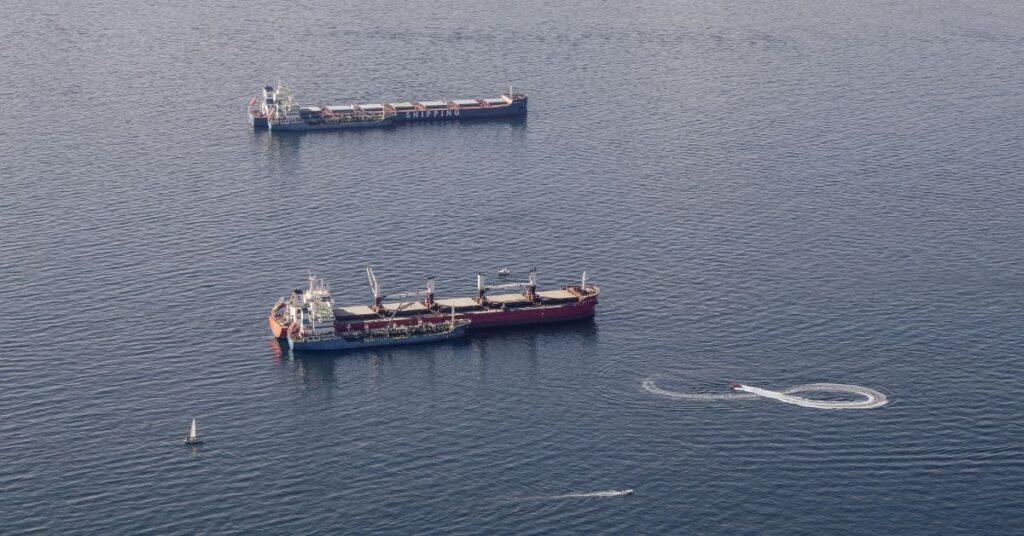
The proposal comes as India faces direct consequences from the conflict, including the loss of five seafarers in recent attacks on commercial vessels. With 30% of its energy supplies sourced from Russia, primarily via the Black Sea, New Delhi’s economy has been hit by soaring freight costs and supply disruptions, particularly from the Port of Novorossiysk, a frequent target of Ukrainian strikes.
The proposal is structured around three key pillars, each addressing a critical aspect of the conflict’s impact on global trade and civilian infrastructure.
First, it calls for an immediate halt to attacks on critical infrastructure, including ports, refineries, storage terminals, and buildings.
Natural Gas
Second, the plan focuses on ensuring the free flow of essential commodities, grains, crude, LNG, and LPG, from Black Sea ports. Black Sea has been a flashpoint for attacks on merchant ships, with vessels frequently targeted by drones and missiles, disrupting supply chains and endangering crews.
Third, the proposal demands an end to all attacks on shipping operations in the Black Sea region.
What Does India’s Truce Plan Entail?: Black Sea
“Kyiv was open to proposals that covered energy infrastructure, including ports and improving maritime security in the Black Sea.”
Andrii Sybiha·Foreign Minister of Ukraine of Ukraine
India’s proposal stands out for its breadth, addressing not just grain shipments, like earlier plans from Turkiye and Egypt, but also energy infrastructure and the safety of commercial shipping.
Meanwhile, Turkiye and Egypt’s plans were limited to ensuring uninterrupted grain exports, a critical but incomplete solution given the broader economic and humanitarian fallout of the war.
Russian President Vladimir Putin has also weighed in, calling India’s ideas ‘excellent’ and aimed at finding ‘mutually acceptable solutions.’ His comments, made at the Valdai Discussion Club’s annual meeting, signal a potential openness to negotiations, though Moscow’s response to the proposal remains unclear.
How Does India’s Plan Compare to Other Proposals?
The timing of India’s proposal is particularly significant. The United States Congress has approved the Sanctioning Russia and Iran Act (SRIA), set to take effect in mid-October. are already strained.
For global shipping, the stakes are equally high. The Port of Novorossiysk, a key hub for Russian energy exports, has been repeatedly targeted by Ukrainian missiles and drones, leading to delays and higher costs for importers like India. The loss of five Indian seafarers in recent attacks underscores the human cost of the conflict, adding urgency to calls for a truce.
India’s neutral stance in the Russia-Ukraine war has allowed it to position itself as a mediator, but the economic fallout has forced New Delhi to take a more proactive role. With energy supplies dwindling and freight costs rising, the proposal reflects a pragmatic effort to protect its interests while pushing for a broader de-escalation.
As the world watches, the question remains: will Kyiv and Moscow embrace India’s plan, or will the Black Sea remain a battleground for global trade? For now, the proposal offers a glimmer of hope for seafarers, energy markets, and nations caught in the crossfire of a war that shows no signs of ending.
For stakeholders in the maritime industry, the coming weeks will be critical. The Sanctioning Russia and Iran Act (SRIA) looms, and the responses from Kyiv and Moscow could determine whether the Black Sea regains its status as a safe passage for global commerce, or remains a high-risk zone for ships and crews alike.


Sign up free to ask CAMAL AI for a summary, the key points or anything else about this story.
Related stories
CAMAL AI
 Financial Ports Newsletter
The maritime economy, every morning
Ports, shipping and freight markets in one short email. Free.
Financial Ports Newsletter
The maritime economy, every morning
Ports, shipping and freight markets in one short email. Free.



