

Iran Missile Strike Injures Eight US Marines in Hormuz
Eight US Marines suffered smoke inhalation and possible brain injuries in a September 14 attack.
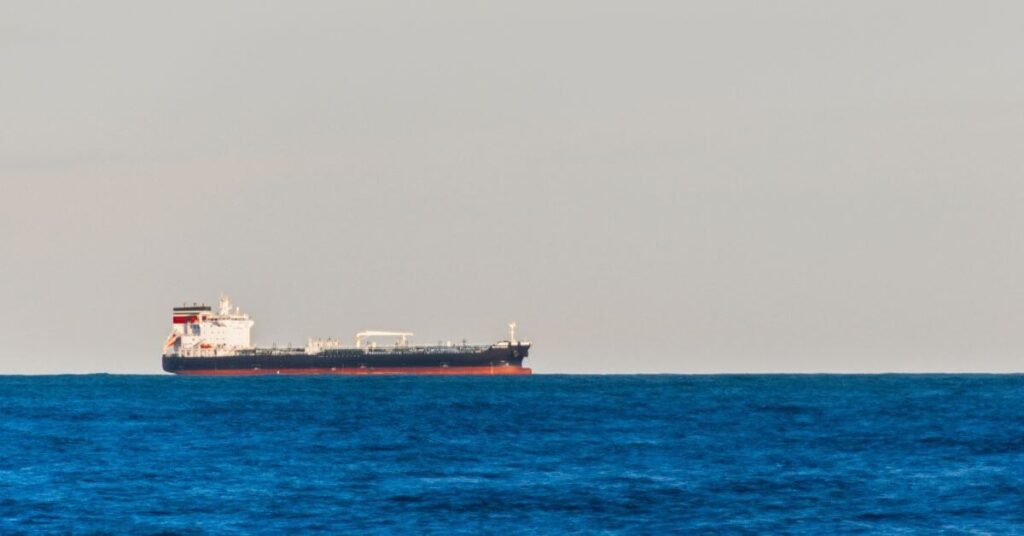
Eight US Marines were injured when an Iranian anti-ship cruise missile struck a vessel in the Strait of Hormuz on September 14, an attack that remained undisclosed for nearly two weeks. The incident, revealed by anonymous US officials, underscores the escalating tensions in one of the world’s most critical maritime chokepoints.
The type of vessel and its exact mission remain classified. Injuries ranged from smoke inhalation to possible traumatic brain injuries, with some personnel reporting concussion symptoms such as headaches. Despite the severity, all eight Marines returned to duty shortly after the attack, according to the officials.
Any disruption in the strait could disrupt global energy markets, making it a prime target for Iranian military posturing. The US Fifth Fleet, based in Bahrain, is tasked with safeguarding these waters, but the recent missile strike demonstrates the challenges of maintaining security in such a contested zone.
Brent Crude
The Strait of Hormuz: A Flashpoint for Maritime Security
The delayed reporting of the September 14 strike raises questions about the Pentagon’s transparency. The eight Marines were only added to the Defence Casualty Analysis System nearly 10 days after the attack, a lag attributed to the time it takes for symptoms to manifest and be reported. However, the discrepancy between the Pentagon’s public count of 37 wounded troops and the internal system’s tally of 861 injured service members has sparked further scrutiny.
The Defence Casualty Analysis System, managed by the US Department of Defense (DOD), is designed to track all military casualties, including those from non-combat incidents. The system categorises injuries under various labels, such as “Overseas Operations” and “Operation Epic Fury”, depending on the nature and timing of the incident.
The shift to “Overseas Operations” after the July 2026 ceasefire reflects a broader reclassification of casualties as the conflict’s dynamics evolved. However, the Pentagon has yet to clarify why the public count remains significantly lower than the internal tally, leaving analysts to speculate about potential gaps in reporting or deliberate obfuscation.
More than half of the 861 injuries are listed under the category “Overseas Operations”, a classification introduced after a fragile ceasefire between the US and Iran began in July 2026. Before the ceasefire, casualties were recorded under “Operation Epic Fury”. The ceasefire collapsed shortly after, leaving the region in a state of heightened volatility. With 18 US service members killed in the conflict since February 28, 2026, the stakes for maritime security in the Strait of Hormuz have never been higher.
Why the Attack Was Kept Under Wraps
The Pentagon’s reluctance to disclose the full extent of military injuries is not unprecedented. During the wars in Iraq and Afghanistan, similar discrepancies emerged between public and internal casualty counts, often due to the delayed onset of symptoms such as traumatic brain injuries or post-traumatic stress disorder. However, the current conflict with Iran has introduced new complexities, including the blurred lines between combat and non-combat operations in a maritime environment.
The US Department of Defense (DOD) has not provided an explanation for the disparity in injury counts, nor has it commented on the specifics of the September 14 attack. However, the incident serves as a stark reminder of the risks faced by military personnel operating in contested waters.
The Strait of Hormuz is not just a military flashpoint, it is a lifeline for the global economy. Analysts warn that even a temporary closure of the strait could send oil prices spiralling, exacerbating inflation and destabilising economies already grappling with geopolitical uncertainty.
For shipping companies, the risks are multifaceted. Beyond the threat of missile strikes, vessels face the possibility of harassment, seizures, or cyberattacks. The US has sought to mitigate these risks by escorting commercial ships through the strait, but the September 14 attack demonstrates that such measures are not foolproof. Insurers have also raised premiums for ships transiting the region, reflecting the heightened risk environment. For operators, this means higher costs and greater operational complexity, particularly for those transporting oil and liquefied natural gas (LNG).
The conflict has also reignited debates about energy security. Countries heavily reliant on Middle Eastern oil, such as China and India, have accelerated efforts to diversify their supply chains, including investing in alternative routes such as the Suez Canal and the East-West Pipeline. Meanwhile, the US and its allies have ramped up strategic petroleum reserves, though these measures offer limited protection against a sudden supply shock.
Amid the geopolitical manoeuvring, the human cost of the conflict remains stark. On September 18, 2026, remove reference to Capt. Bianca C. Wilkerson, a 37-year-old Marine, died in a “non-combat related incident”, according to Army officials. Wilkerson, who was posthumously promoted to major, was the 18th US service member to die in the conflict since it began on February 28, 2026. Her death underscores the broader toll of the war, which extends beyond battlefield casualties to include accidents, illnesses, and the psychological strain of prolonged deployments.
Wilkerson’s story is a reminder of the sacrifices made by military personnel in distant conflicts. A native of Norfolk, Virginia, she was part of a generation of service members tasked with navigating an increasingly complex and dangerous security landscape. Her death, though classified as non-combat, highlights the blurred lines between war and peace in modern military operations, where even routine deployments can turn deadly.
In the wake of the September 14 attack, the Pentagon is expected to review its protocols for reporting casualties and assessing threats in the Strait of Hormuz. Military planners are likely to consider additional measures to protect US forces, including enhanced drone surveillance, increased naval patrols, and closer coordination with regional allies such as Saudi Arabia and the UAE. However, any escalation in military activity risks provoking further retaliation from Iran, which has shown little hesitation in targeting US assets.
However, the effectiveness of this strategy hinges on deterring Iranian aggression without triggering a wider conflict. Diplomatic efforts, though strained, remain a critical component of the US approach, with Washington seeking to rally international support for a rules-based maritime order in the Persian Gulf.
For now, the Strait of Hormuz remains a battleground for influence, with every missile strike and drone seizure bringing the world closer to a wider conflict. The September 14 attack may have been downplayed in public reports, but its implications are far-reaching. As the US and Iran continue their shadow war, the stakes for global shipping, energy markets, and regional stability have never been higher.
Commercial operators and governments alike are advised to monitor developments closely. The US Department of Defense and US Central Command provide regular updates on maritime security in the region, while organisations such as the Maritime Executive offer insights into the evolving threat landscape. For those navigating the strait, vigilance and preparedness are paramount, because in the waters of the Strait of Hormuz, the next crisis could be just one missile strike away.


Sign up free to ask CAMAL AI for a summary, the key points or anything else about this story.
Related stories
CAMAL AI
 Financial Ports Newsletter
The maritime economy, every morning
Ports, shipping and freight markets in one short email. Free.
Financial Ports Newsletter
The maritime economy, every morning
Ports, shipping and freight markets in one short email. Free.



