

Why Cleveland? US Navy Picks Ohio for $50m Submarine Repair Hub
The 46,000-square-foot facility will specialise in submarine components to address a growing maintenance backlog.
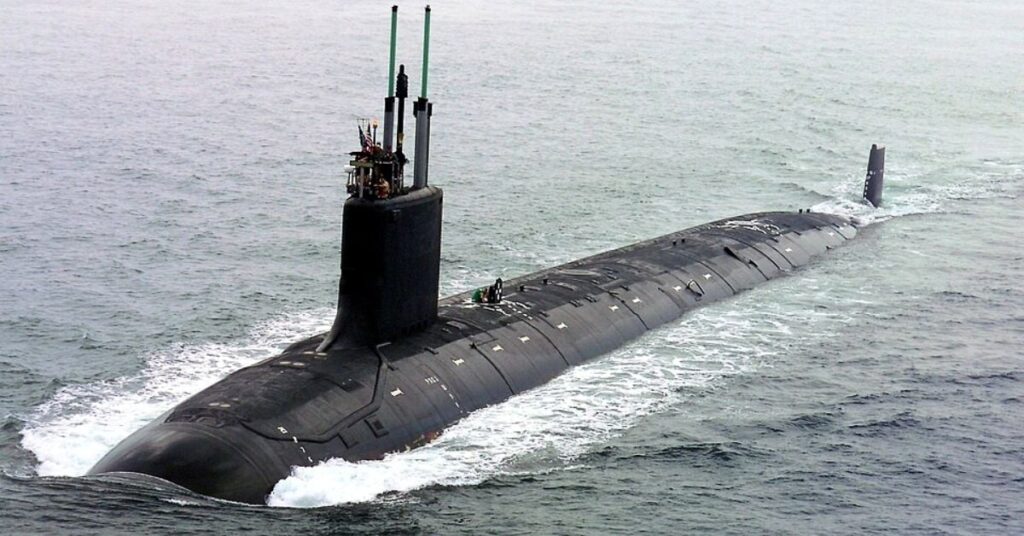
The US Navy will establish a 46,000-square-foot submarine component repair centre in Cleveland, Ohio, as part of a broader effort to address delays in submarine maintenance and improve fleet readiness. The facility, announced by President Donald Trump during a rally in Youngstown on October 12, will focus on repairing and refurbishing critical parts for the Navy’s submarine fleet rather than conducting full-scale overhauls.
The Cleveland centre will specialise in the repair and maintenance of submarine components, ensuring the availability of spare parts for at least five submarine classes: Los Angeles, Virginia, Seawolf, Ohio, and Columbia. According to a presidential memorandum issued on August 13, the facility must maintain a complete set of spare equipment for each class, aiming to reduce the backlog in submarine maintenance that has affected fleet operations.
The project is part of a strategic push to strengthen the US Navy’s shipbuilding and repair capabilities. The memorandum directs the Secretary of Defense to submit a plan within 90 days to establish the facility, which will be located near transportation hubs, including roads, railways, and river systems, to facilitate logistics.
The Cleveland facility is designed to alleviate some of this pressure by focusing exclusively on component-level repairs, rather than full-scale overhauls.
What the New Facility Will Do: US Navy
While the exact budget and construction timeline remain undisclosed, the centre is expected to create jobs in the region.
“You have to really thank Senator Jon Husted for this probably more than anybody else.”
Donald Trump·US President
The facility’s establishment is also part of a broader national security strategy to enhance the US Navy’s operational readiness. Submarines play a critical role in modern naval warfare, conducting surveillance, deterrence, and strike missions.
The decision to locate the repair centre in Cleveland follows a concerted effort by Ohio officials to attract defence-related projects to the state. Senator Husted sent a letter to the Office of Management and Budget Director Russell Vought and Acting Secretary of the Navy Hung Cao, urging the administration to consider Northeast Ohio for the facility. In his letter, Husted emphasised the region’s strategic advantages, including its proximity to transportation networks and a workforce experienced in manufacturing and engineering.
Why Cleveland Was Chosen
Additionally, Cleveland’s location along the Cuyahoga River and its access to major highways and rail networks provide logistical advantages for transporting large submarine parts to and from the facility.
The Office of Management and Budget (OMB), which oversees federal spending, played a key role in evaluating potential locations for the repair centre. The OMB assesses projects based on factors such as cost-effectiveness, workforce availability, and strategic value. In this case, Northeast Ohio’s combination of skilled labour, existing infrastructure, and transportation access made it a compelling choice. The OMB’s involvement underscores the project’s significance within the broader federal budget, which allocates billions of dollars annually to defence-related infrastructure.
The facility is expected to work closely with existing Navy shipyards and suppliers to streamline the repair process. However, details about the number of jobs it will create or the overall economic impact on the region have not been released. The project aligns with broader efforts to expand the infrastructure available for maintaining the US Navy’s submarine fleet, which has faced challenges due to ageing equipment and delays in repairs.
For local businesses and workers, the centre represents an opportunity to participate in a high-tech sector with long-term stability, as submarine maintenance is expected to remain a priority for the Navy in the coming decades.
The August 13 presidential memorandum also called for the establishment of a fifth public Navy yard, separate from the Cleveland repair centre, as part of a long-term strategy to enhance the Navy’s maintenance capabilities. The memorandum underscores the importance of addressing the submarine maintenance backlog to ensure the fleet remains operational and ready for deployment.
The proposed fifth Navy yard, which would be the first new public shipyard in over a century, reflects the growing recognition that the US Navy’s current infrastructure is insufficient to meet the demands of a modernising fleet.
Local officials have welcomed the announcement, viewing it as an opportunity to bolster national security while providing economic benefits to the Cleveland area. The facility is expected to play a crucial role in supporting the US Navy’s submarine force, particularly as the fleet continues to modernise and expand.
For residents of Northeast Ohio, the project offers the promise of high-quality jobs and increased investment in the region’s industrial sector. It also positions Cleveland as a key player in the nation’s defence infrastructure, potentially attracting further federal and private-sector investments in the years ahead.
The establishment of the Cleveland submarine component repair centre marks a significant step in addressing the US Navy’s maintenance challenges. The backlog in submarine repairs has been a persistent issue, with some vessels spending months awaiting critical maintenance.
By focusing on component-level repairs, the Cleveland facility will help reduce these delays, ensuring that submarines spend more time at sea and less time in dry dock. This is particularly important for the Virginia-class attack submarines, which are designed for a wide range of missions, including anti-submarine warfare, intelligence gathering, and special operations support.
For the local economy, the project represents a major opportunity. While the exact number of jobs has not been disclosed, similar defence-related facilities have created hundreds of positions, ranging from engineers and technicians to logistics and administrative staff.
The presence of the repair centre could also spur growth in related industries, such as suppliers of specialised materials and equipment. Additionally, the facility’s reliance on a skilled workforce may encourage further investment in vocational training and education, aligning local institutions with the needs of the defence sector.
The broader implications for the US Navy are equally significant. The facility is part of a larger effort to modernise the Navy’s maintenance infrastructure, which has struggled to keep pace with the demands of a growing fleet. The Cleveland centre will play a key role in supporting these vessels, ensuring they remain operational throughout their service lives. Furthermore, the project reflects a shift in the Navy’s approach to maintenance, moving away from reliance on a small number of overburdened shipyards toward a more distributed network of specialised facilities.
As the project moves forward, stakeholders will be watching closely to see how it integrates with existing Navy operations. The facility’s success will depend on its ability to work seamlessly with other shipyards and suppliers, as well as its capacity to adapt to evolving technological demands. For now, the announcement has been met with optimism, both in Cleveland and within the defence community, as a step toward addressing the long-standing challenges facing the US submarine fleet.
The next phase of the project will involve the submission of a detailed plan by the Secretary of Defense within the 90-day timeframe outlined in the presidential memorandum. This plan is expected to include specifics on the facility’s design, construction timeline, and budget. While the exact figures have not been released, defence infrastructure projects of this scale typically require investments in the hundreds of millions of dollars. The plan will also outline the facility’s operational structure, including how it will coordinate with other Navy shipyards and private-sector suppliers.
For those interested in following the project’s progress, the Department of Defense and the U.S. Navy will provide updates through their official channels. The Navy’s website (www.navy.mil) and the Department of Defense’s press office are the primary sources for official announcements. Additionally, local officials in Cleveland and Northeast Ohio are expected to share updates on the project’s economic impact and job creation efforts as more details become available.
The Cleveland facility is just one component of a larger strategy to enhance the US Navy’s maintenance capabilities. The proposed fifth public Navy yard, mentioned in the August 13 memorandum, remains under consideration, with further details expected in the coming months.
Together, these projects represent a significant investment in the Navy’s future, ensuring that the fleet remains capable of meeting the challenges of modern naval warfare. For now, the focus remains on bringing the Cleveland repair centre to fruition, with stakeholders across the defence and industrial sectors eager to see the project come to life.


Sign up free to ask CAMAL AI for a summary, the key points or anything else about this story.
Related stories
CAMAL AI
 Financial Ports Newsletter
The maritime economy, every morning
Ports, shipping and freight markets in one short email. Free.



