

Transworld offloads 35,152 dwt bulker for $9.25m in fleet clear-out
Mumbai-listed owner sells 2011-built TBC Kailash to Mandarine Ocean as part of wider fleet reshuffle.
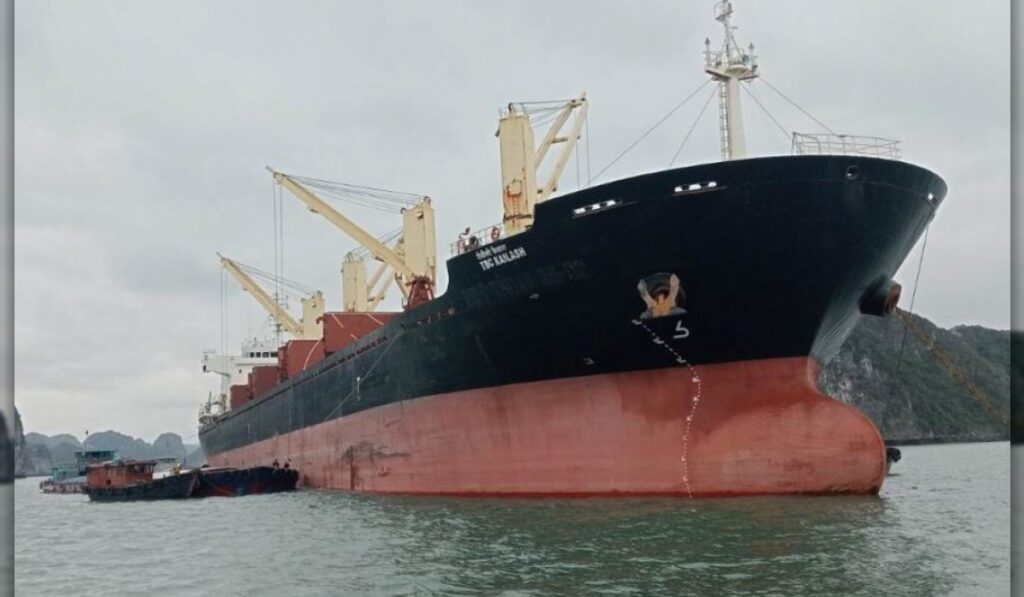
India’s Transworld Shipping Lines has finalized the sale of one of its two dry bulk carriers, the TBC Kailash, for $9.25 million. The 2011-built vessel, with a capacity of 35,152 deadweight tons, was purchased by Mandarine Ocean, as confirmed in a regulatory filing by the Mumbai-listed company.
The ship, constructed in China, was acquired by Transworld—then operating under the name Shreyas Shipping and Logistics—in November 2021. This latest transaction follows a broader strategy of fleet restructuring, including the recent sale of its largest containership, the 4,250-TEU SSL Brahmaputra, to Avana Logistek, a subsidiary of DP World, for $11.4 million.
Transworld Shipping Lines sells dry bulk carrier in fleet reshuffle
Transworld’s dry bulk operations were not included in DP World’s 2021 acquisition of the company’s feeder and coastal shipping divisions through Unifeeder. That deal left Transworld with a more focused fleet, allowing it to maintain flexibility in the bulk carrier segment.
The sale of the TBC Kailash reflects a broader trend in the shipping industry, where companies are adjusting their fleets in response to shifting trade patterns, regulatory pressures, and market volatility. Mid-sized bulk carriers like the TBC Kailash remain in demand for transporting commodities such as coal, grains, and minor bulks, sustaining an active second-hand market for vessels of this age and size.
Strategic shifts in a consolidating market
For Mandarine Ocean, the acquisition presents an opportunity to expand its dry bulk capacity at a competitive price. Meanwhile, Transworld’s decision to divest the vessel raises questions about its future strategy—whether it will continue reducing its bulker exposure or reinvest in other segments. With containership markets showing signs of stabilization and dry bulk rates remaining unpredictable, industry observers will closely monitor the company’s next steps.
As Transworld navigates this transition, its ability to balance asset sales with strategic investments will shape its position in an evolving maritime sector. The $9.25 million sale marks another step in its fleet reshuffle, but the company’s long-term direction will depend on how it adapts to market conditions.


Sign up free to ask CAMAL AI for a summary, the key points or anything else about this story.
Related stories
CAMAL AI
 Financial Ports Newsletter
The maritime economy, every morning
Ports, shipping and freight markets in one short email. Free.
Financial Ports Newsletter
The maritime economy, every morning
Ports, shipping and freight markets in one short email. Free.



