

Toro Corp spends $83m to double its MR tanker fleet in one week
Nasdaq-listed Toro Corp has acquired two product tankers for a combined $83.4m.
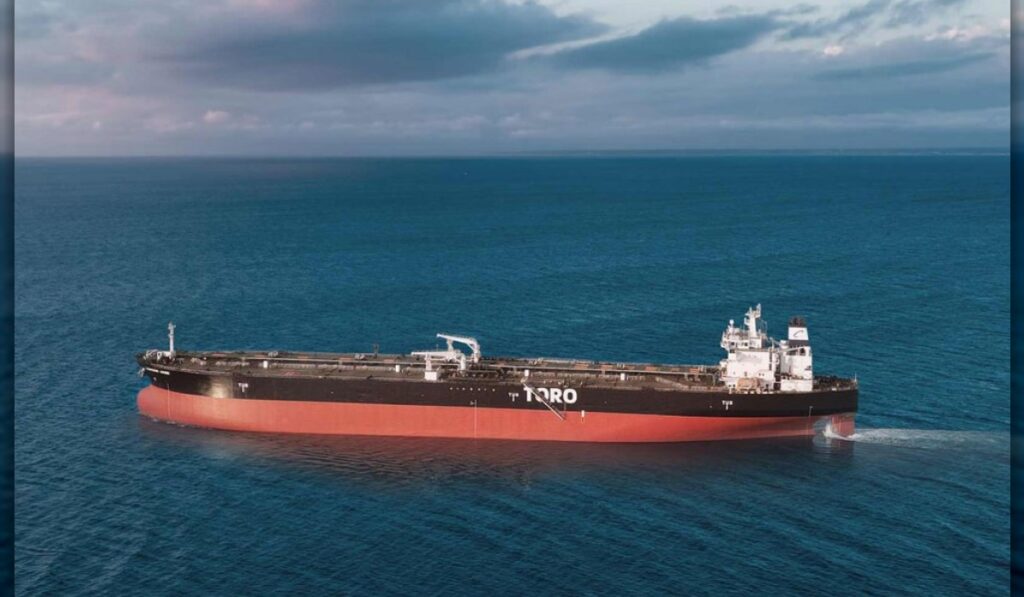
Nasdaq-listed company, led by Petros Panagiotidis, took delivery of the 2018-built Wonder Alasia on September 17 for $45.9m. A day later, it closed the $37.5m purchase of a 2014-built, scrubber-fitted MR that will sail under the new name Wonder Atria. Both vessels were acquired from unrelated third parties and paid for from cash on hand.
The additions lift Toro’s fleet to six vessels: four MR product tankers and two LPG carriers. Before the latest deals, the company had only two product tankers, Wonder Altair, acquired last year for $36.25m, and Wonder Maia, bought in September 2024 for $30.3m.
Fleet now stands at six ships, four of them MRs
The company’s shift from eight tankers in 2023 to a streamlined MR-focused fleet suggests a bet on product tankers as the core of its business.
Toro emerged from Castor Maritime in 2023 with eight tankers. Since then, it has progressively sold down that fleet, first shifting into LPG shipping before reversing course to concentrate on product tankers. The latest acquisitions mark the fastest expansion of its MR segment to date.
Fleet now stands at six ships, four of them MRs, what this means for Toro’s operations
However, Toro’s approach appears more measured, focusing on modern, fuel-efficient vessels that align with regulatory pressures and charterer preferences.
Both new vessels were built in Asia, Wonder Alasia in Japan and Wonder Atria in South Korea, reflecting the company’s preference for modern, fuel-efficient tonnage in a sector where emissions regulations are tightening. Japan and South Korea are leading hubs for high-quality shipbuilding, known for producing vessels with advanced propulsion systems and lower operational costs, factors that could give Toro a competitive edge in the product tanker market.
Toro’s planned spin-off of its two LPG carriers, Dream Arrax and Dream Vermax, into AI OKTO Corp is the next critical step in its restructuring. The transaction, which includes a $45m cash transfer, would leave Toro with a four-ship MR fleet, further sharpening its focus on product tankers. For investors, this move could simplify Toro’s business model, making it easier to assess the company’s performance against peers in the MR segment.
AI OKTO Corp, the Nasdaq-listed vehicle controlled by Panagiotidis, will inherit the LPG carriers along with the $45m cash infusion. This structure allows Toro to retain indirect exposure to the LPG market while freeing up capital for further MR acquisitions. Industry analysts will be watching closely to see whether this spin-off leads to additional fleet expansions or if Toro opts to consolidate its position in the product tanker sector.
For stakeholders, the key question is whether Toro’s pivot will pay off. The product tanker market has shown signs of strength, with rates supported by steady demand for refined fuels. However, geopolitical risks, such as disruptions in key shipping lanes or shifts in global energy trade, could impact profitability. Toro’s ability to navigate these challenges will depend on its fleet’s operational efficiency and its ability to secure favourable charter agreements.
Toro continues to refine its strategy, market participants can track its progress through regulatory filings and updates on its official website. The company’s next moves, whether further acquisitions, charter deals, or additional restructuring, will provide further clarity on its long-term vision for the product tanker sector.


Sign up free to ask CAMAL AI for a summary, the key points or anything else about this story.
Related stories
CAMAL AI
 Financial Ports Newsletter
The maritime economy, every morning
Ports, shipping and freight markets in one short email. Free.
Financial Ports Newsletter
The maritime economy, every morning
Ports, shipping and freight markets in one short email. Free.



