
BNSF train fire exposes freight theft risks on US rail network
A moving BNSF train carrying mixed freight caught fire during a burglary in Riverside, California.
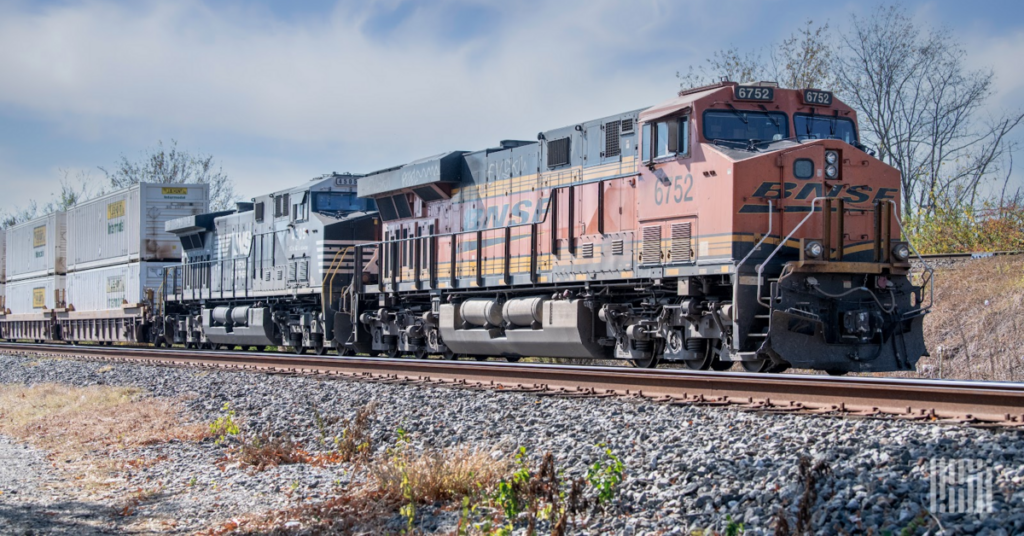
A BNSF train travelling from Los Angeles to Chicago caught fire after a burglary in Riverside, California, forcing emergency crews to reposition the moving train to extinguish the blaze. The incident, reported at 4:40 a.m.
The fire erupted in an open upper container on the double-stack train, which was carrying mixed freight. Incident commanders directed BNSF personnel to move the train farther east, allowing firefighters to gain control of the blaze by 5:30 a.m. The event was logged as incident RIV #26-34784.
While no deaths, injuries, or evacuations were reported, the incident underscores the growing threat of cargo theft on freight rail networks.
The Los Angeles-to-Chicago corridor, where the incident occurred, is among the most strategically important routes in North America.
How the incident unfolded, and why it matters for freight security: freight theft
Dispatchers first received reports of the incident near Chicago Avenue, with early information suggesting the train was heading west from downtown. However, crews later located the train moving east between Spruce and Columbia streets, where access constraints delayed their response.
BNSF confirmed that the Colton Fire Department also assisted in extinguishing the blaze. Once the fire was under control, the railcar was handed over to BNSF representatives and company police, who are now leading the investigation. The railroad has not disclosed details about potential suspects, arrests, or financial losses, but the incident has reignited debates about the safety of freight shipments, which can include critical supplies like medicine and food.
The department’s swift response, despite initial access challenges, underscores the importance of local emergency services in managing rail-related incidents.
“These are not victimless crimes,” BNSF stated in response to the incident. The company emphasised its coordination with federal, state, local, and tribal law enforcement agencies but has not provided a timeline for completing the investigation. Cargo theft can disrupt supply chains, complicate loss assessments, and strain customer relations, issues that have become more pressing as rail freight volumes grow. In 2023 alone, BNSF reported handling over 10 millionlion carloads and intermodal units, a volume that underscores the scale of the challenge.
What this means for rail operators and supply chain resilience
Riverside incident is not an isolated case. Freight theft has been a persistent challenge for rail operators, particularly in regions with high cargo traffic. BNSF has previously highlighted its network security protocols, which include surveillance, patrols, and partnerships with law enforcement. However, the latest fire raises questions about whether current measures are sufficient to deter theft and prevent disruptions.
For supply chain professionals, the incident serves as a reminder of the risks associated with rail freight. Delays caused by theft or security breaches can have cascading effects on deliveries, particularly for time-sensitive goods. While BNSF has not reported any service disruptions from this event, the potential for broader impacts remains a concern for businesses relying on rail transport.
The company’s incident response protocols, which involve isolating affected railcars and rerouting trains where necessary, are designed to minimise downtime, but the Riverside fire demonstrates how quickly a single breach can escalate.
The investigation into the burglary and fire is ongoing, with BNSF Police yet to determine how the incident unfolded or whether suspects directly caused the fire. BNSF Police, the railroad’s dedicated law enforcement arm, operates across the company’s network and works closely with local agencies to investigate crimes involving BNSF property. The agency’s jurisdiction includes both criminal and regulatory enforcement, making it a key player in addressing freight theft and vandalism.
As the case develops, industry observers will be watching for updates on security enhancements and any policy changes aimed at reducing theft risks on freight rail networks. For now, stakeholders are advised to monitor official channels, including the BNSF website and local law enforcement bulletins, for further details. Riverside incident stands as a stark example of the vulnerabilities facing rail freight, and the urgent need for stronger safeguards to protect critical shipments.
Riverside incident comes amid a broader rise in cargo theft across the United States, with rail networks increasingly targeted by organised crime groups. According to industry reports, freight theft has surged in recent years, driven by high-value shipments and gaps in security. The Los Angeles basin, where Riverside is located, is a hotspot for such crimes due to its dense network of rail yards, warehouses, and distribution centres. Law enforcement agencies, including the Sheriff’s Department and Sheriff’s Department, have ramped up patrols in response, but the challenge remains formidable.
The related arrests announced by the Sheriff’s Department on Thursday highlight the interconnected nature of these crimes. The five suspects, including the 21-year-old alleged gunman Angel Castro, were detained in connection with a separate but linked case involving a shooting incident near Cajon Boulevard and Keenbrook Road in Devore.
The operation, which took place on Wednesday, underscores the role of multi-agency task forces in tackling freight-related crime. The Specialized Enforcement Division, which participated in the arrests, focuses on high-impact crimes and has been instrumental in dismantling theft rings operating along Southern California’s rail corridors.
For businesses and consumers, the implications of cargo theft extend beyond immediate financial losses. Disruptions to rail freight can lead to shortages of essential goods, higher costs, and delays in deliveries. Riverside incident, though contained, serves as a warning for the broader industry. Rail operators like BNSF are under pressure to enhance security measures, from increased surveillance to stricter access controls, but the sheer scale of their networks makes this a complex task.
As the investigation continues, the focus will likely shift to preventive measures. Industry experts suggest that real-time tracking of high-value shipments, improved lighting and fencing at rail yards, and greater collaboration between rail companies and law enforcement could help reduce theft risks. For now, the Riverside incident remains a critical case study in the ongoing battle to secure freight rail networks against criminal activity.


Sign up free to ask CAMAL AI for a summary, the key points or anything else about this story.
Related stories
CAMAL AI
 Financial Ports Newsletter
The maritime economy, every morning
Ports, shipping and freight markets in one short email. Free.
Financial Ports Newsletter
The maritime economy, every morning
Ports, shipping and freight markets in one short email. Free.