

Supertanker ablaze: 2m barrels of oil lost after Hormuz mine strike
Iran’s IRGC confirms explosion after vessel hit naval mine in key oil chokepoint
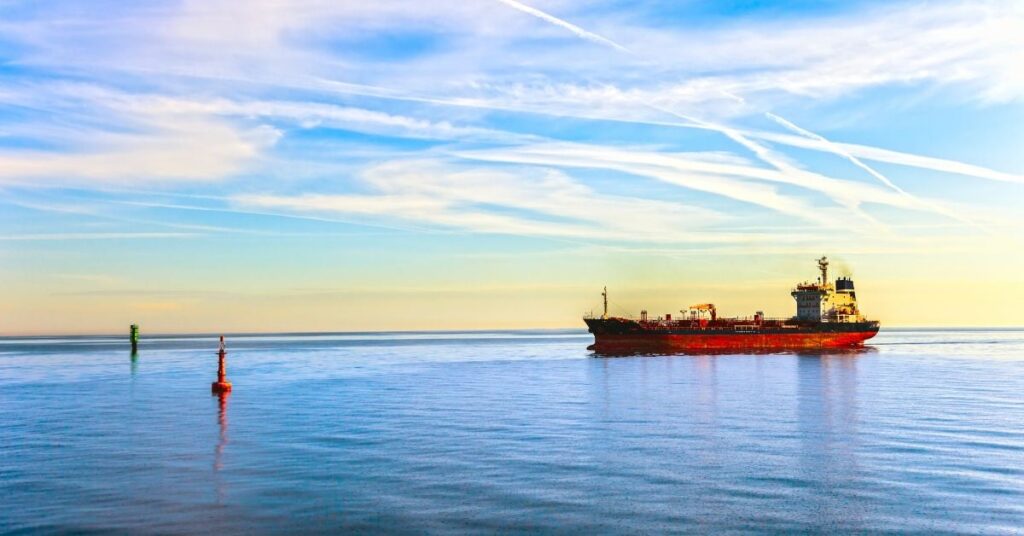
A supertanker carrying approximately two million barrels of crude oil exploded after colliding with a naval mine in the Strait of Hormuz, according to Iran’s Revolutionary Guard Corps (IRGC). The incident occurred as the vessel attempted to traverse the strategic waterway using an unauthorized route.
The IRGC reported that the tanker had deactivated its tracking system while crossing the strait, a move that violated Iranian regulations. The collision triggered a powerful explosion and fire onboard, though Iranian authorities did not disclose the ship’s name, exact location, ownership, flag of registration, or the status of its crew.
Geopolitical Tensions in a Critical Waterway: strait of hormuz
The Strait of Hormuz, a 30-kilometer-wide passage between Iran and Oman, is one of the world’s most vital maritime chokepoints. Under normal conditions, it facilitates the transit of one-fifth of global oil and gas shipments, making it indispensable to international energy markets. However, recent disruptions have already contributed to supply shortages and economic instability worldwide.
Brent Crude
Iran has intensified its control over the strait, demanding that vessels obtain prior permission before crossing, a requirement the U.S. rejects as a violation of international maritime law. Washington maintains that the strait is an international waterway where freedom of navigation must be upheld. The U.S. has enforced a naval blockade of Iranian ports in response to Tehran’s actions, further escalating tensions.
Admiral Ali Ozmai, commander of Iran’s IRGC Navy, issued a stern warning to commercial ships, stating that disabling navigation systems while transiting the strait would not be tolerated. “Such vessels will face severe consequences,” he declared.
Broader Implications for Global Energy Security
The explosion of the supertanker underscores the growing risks in one of the world’s most critical shipping lanes. The U.S. has struggled to sustain its military presence in the region, with reports of food shortages, poor hygiene, and deteriorating mental health among crew members aboard American warships.
The standoff between Iran and the U.S. remains unresolved. Tehran insists on imposing transit fees for ships crossing the strait, while Washington argues that such demands contravene international law. With no immediate resolution in sight, the incident serves as a stark reminder of the vulnerabilities in global energy supply chains and the potential for further disruptions in a volatile region.


Sign up free to ask CAMAL AI for a summary, the key points or anything else about this story.
Related stories
CAMAL AI
 Financial Ports Newsletter
The maritime economy, every morning
Ports, shipping and freight markets in one short email. Free.



